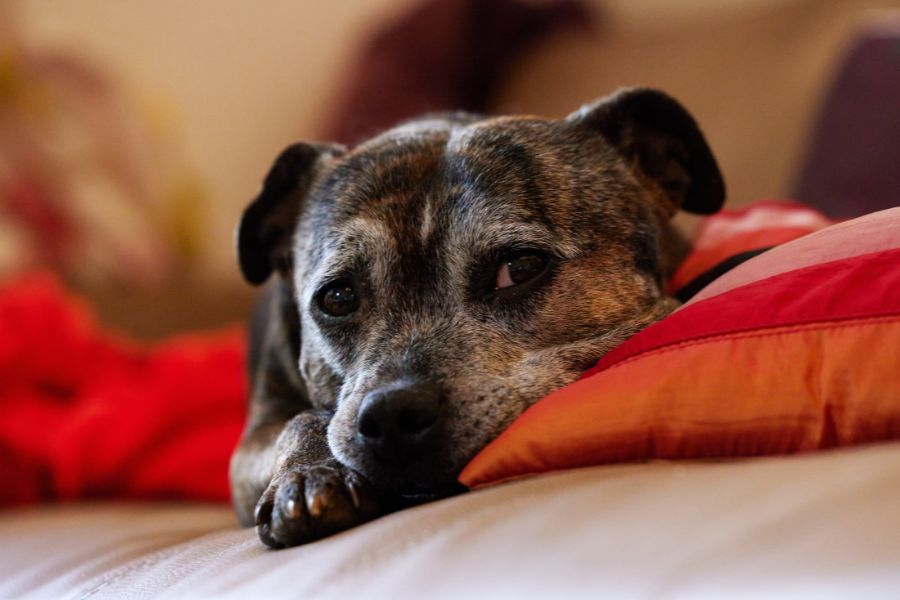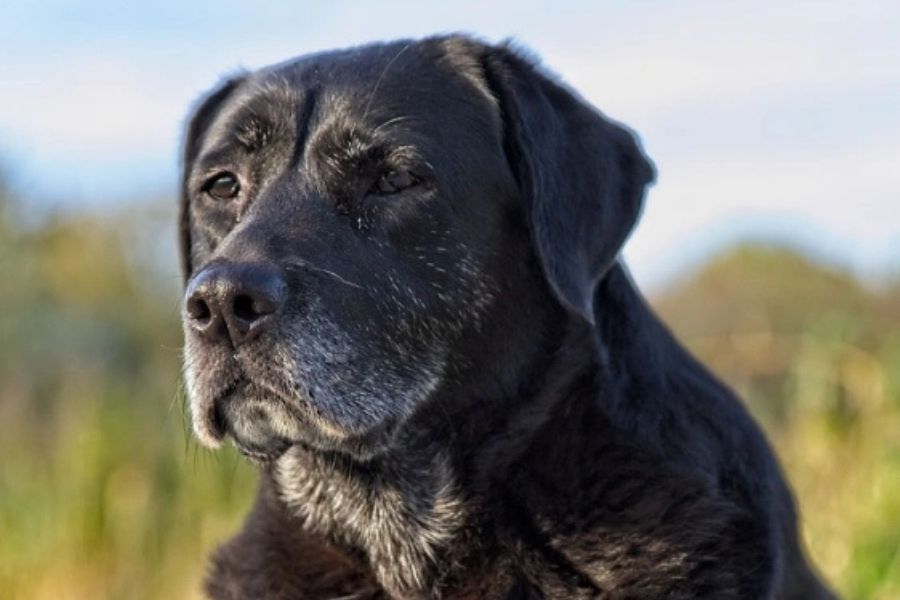



Your dog has been your loyal companion for years. Now you are noticing subtle shifts: a slower pace on walks, a little more gray around the muzzle, longer naps on the couch. These changes are normal, but they are also signals worth paying attention to. Senior dog health care is not about slowing down your dog’s life. It is about understanding what their aging body needs and responding early. Dogs are generally considered senior at age 7, though large breeds may reach this stage as early as age 5. The sooner you recognize what is changing, the better your chances of keeping your dog comfortable, active, and healthy for years to come. This guide walks through the most important health changes to watch for in your older dog.
What Health Changes Should I Watch for in My Senior Dog?
Senior dogs commonly experience joint stiffness, weight changes, increased thirst, dental disease, vision or hearing loss, and shifts in energy or behavior. These changes can appear gradually, which is why many owners miss the early signs. If you notice your dog slowing down, drinking more water, sleeping longer, or acting confused at familiar times of day, schedule a veterinary visit promptly. Early detection makes a significant difference in how effectively these conditions can be managed.
Why Your Dog’s Body Starts Changing After Age 7
Aging affects nearly every system in a dog’s body. Metabolism slows. Organ function shifts. Muscles lose density. Joints absorb years of wear.
Dental disease affects an estimated 80% of dogs by age 3, and the effects become far more serious in senior years. Tooth decay and gum disease can contribute to heart, kidney, and liver problems if left untreated.
Many dogs we examine for slowing down are actually experiencing measurable joint inflammation, not simply aging gracefully. The change can be subtle at first. A dog that used to leap onto the couch now hesitates. A dog that loved morning runs now prefers a short, quiet walk.
Old dog health problems often go unnoticed because dogs are skilled at masking discomfort. Behavioral cues are frequently the first signal something has changed. Knowing what to look for puts you ahead of the problem.
Signs Your Senior Dog May Be Struggling
Watch for these signs and take them seriously:
- Reluctance to climb stairs or jump: This often points to dog joint pain symptoms developing in the hips, knees, or spine.
- Increased thirst or urination: A meaningful increase in water intake can signal kidney disease, diabetes, or Cushing’s disease.
- Weight gain or loss: Both are worth investigating. Weight gain in a less active dog can stress joints further. Unexplained weight loss may point to thyroid issues or gastrointestinal problems.
- Bad breath or pawing at the mouth: These are classic signs of advancing dental disease.
- Confusion or disorientation: A dog that seems lost in familiar spaces, gets stuck in corners, or forgets trained behaviors may be showing early signs of canine cognitive dysfunction.
- Changes in sleep patterns: Sleeping far more than usual, or restlessness at night, can reflect pain, anxiety, or cognitive decline.
If you notice any of these signs, contact your veterinarian promptly. Many of these conditions are highly manageable when caught early.
Pet owners often tell us they assumed their dog’s increased thirst was just a hot-weather habit. In many cases, it is actually an early indicator of kidney disease or diabetes that responds well to treatment when addressed in time.
Common Causes Behind Aging Dog Behavior Changes
Aging dog behavior changes are rarely random. They almost always have a physical or neurological root cause worth investigating.
Canine cognitive dysfunction, sometimes compared to dementia in humans, is more common than many owners realize. Studies suggest roughly 28% of dogs aged 11 to 12 show clinical signs of the condition. It progresses gradually, which is why routine senior wellness exams are so valuable.
Joint degeneration is another major driver of behavior change. A dog in chronic pain may become irritable, less social, or reluctant to engage in activities they once loved. This is not a personality shift. It is a pain response.
In Kansas, cold winter months add another layer of challenge. Reduced movement indoors during colder seasons can accelerate joint stiffness in senior dogs who are already less active. Keeping your dog moving gently, even indoors, helps maintain muscle tone and joint flexibility.
Hormonal conditions such as hypothyroidism and Cushing’s disease also become more common with age. Both can cause weight changes, coat issues, energy shifts, and behavioral differences that owners sometimes chalk up to normal aging.
How Senior Dog Conditions Are Diagnosed and Treated
Diagnosing health changes in older dogs typically begins with a thorough physical exam and bloodwork. Your veterinarian will assess organ function, hormone levels, red and white blood cell counts, and other key markers that shift with age.
Common diagnostic steps include:
- Complete blood panel and urinalysis: These reveal kidney function, liver health, blood sugar levels, and signs of infection or anemia.
- Thyroid screening: Recommended for most dogs over age 7, as thyroid disorders are frequently missed without targeted testing.
- Orthopedic assessment: Your vet will evaluate range of motion and pain response to identify dog joint pain symptoms and their severity.
- Dental examination: Oral health is often a window into systemic health in older dogs.
- Cognitive assessment: Your vet may ask structured questions about your dog’s daily behavior to screen for cognitive dysfunction.
Treatment varies by condition. Joint disease is often managed with anti-inflammatory medication, therapeutic diets, and low-impact exercise plans. Cognitive decline can be supported with environmental enrichment, dietary supplements, and in some cases, medication. Kidney disease and hormonal disorders respond well to early dietary and medical intervention.
In our experience, senior dogs that receive twice-yearly wellness exams rather than annual ones tend to have conditions identified at far more treatable stages.
Home Care Tips to Support Your Senior Dog
Caring for an older dog at home does not have to be complicated. Small, consistent adjustments make a real difference.
- Maintain a routine: Predictable schedules reduce anxiety and support cognitive function in senior dogs.
- Upgrade their sleep setup: Orthopedic beds with low sides reduce pressure on joints and make it easier for stiff dogs to lie down and rise.
- Adjust food portions and diet: Senior-formulated diets are designed to support aging organs, joints, and metabolism. Do not assume the food that worked at age 3 is still optimal at age 10.
- Keep them moving gently: Short, low-impact walks are better than occasional long outings. Consistent movement supports joint health and healthy weight.
- Monitor water intake: Track changes in how much your dog drinks. A noticeable increase over a week or two is worth a vet call.
One of the most common misconceptions we encounter is that cognitive and physical decline in senior dogs is inevitable and untreatable. That is not accurate. Many conditions that look like “just old age” are diagnosable, manageable, and sometimes reversible with the right intervention.
Senior pet care at home works best when paired with professional guidance. The team at Mission Road Animal Clinic can help you build a customized plan that fits your dog’s specific needs and health status.
Conclusion
Older dogs deserve the same energy and attention you gave them in their puppy years. The key is knowing what to watch for and acting early. Senior dog health care means staying ahead of joint changes, cognitive shifts, organ decline, and dental disease before they become harder to manage. Twice-yearly wellness exams, attentive home monitoring, and a vet you trust are the most powerful tools you have. If your dog is entering their senior years and you have not yet updated their care routine, now is the right time to start. The team at Mission Road Animal Clinic is here to help your dog age comfortably and well. Book an appointment today.
Frequently Asked Questions
Q: At what age is a dog considered a senior?
Ans: Most dogs are considered senior at age 7. Large and giant breeds may reach senior status closer to age 5, while smaller breeds sometimes not until age 9 or 10. Your veterinarian can help determine when to transition your dog to a senior care routine.
Q: How often should senior dogs see a vet?
Ans: Most veterinarians recommend twice-yearly wellness exams for dogs over age 7. More frequent monitoring allows health changes to be caught and treated at earlier, more manageable stages.
Q: What are the first signs of dog joint pain in older dogs?
Ans: Early signs include hesitation before jumping, stiffness after rest, slower movement on walks, and reluctance to use stairs. Dogs rarely vocalize joint pain, so behavioral changes are often the first clue.
Q: Can cognitive decline in senior dogs be treated?
Ans: Canine cognitive dysfunction cannot be cured, but it can be meaningfully managed. Dietary support, environmental enrichment, mental stimulation, and in some cases medication can slow progression and improve quality of life.
Q: What should I feed my senior dog?
Ans: Senior dogs often benefit from diets formulated for older dogs, which typically address joint health, kidney function, and caloric needs for a less active metabolism. Speak with your veterinarian for a recommendation tailored to your dog’s specific health profile.