


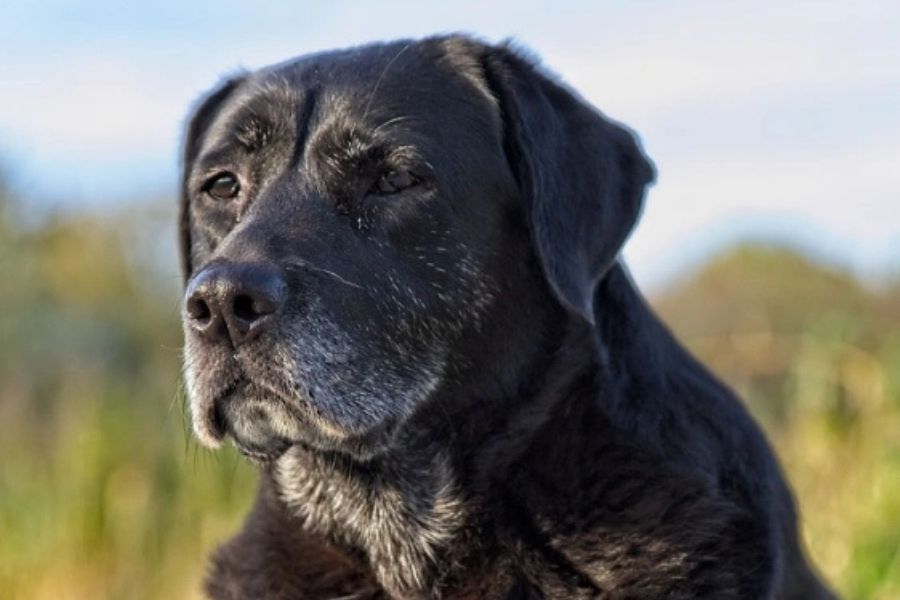
As pets age, subtle changes in their behavior, mobility, or appetite may signal the beginning of senior life. Recognizing these early signs of aging in pets helps ensure timely veterinary care and a better quality of life. This guide covers how to identify senior dog and cat symptoms, when it’s time to worry, and practical steps to support your aging pet’s comfort and health.
Understanding the Aging Process in Pets
Just like humans, pets experience physical and behavioral changes as they age. The process varies by species, size, and breed — large dogs may show signs of aging as early as 6–7 years old, while smaller breeds and cats may not become seniors until around 10–12 years.
Common changes include:
- Decreased energy or slower movement
- Cloudy eyes or vision decline
- Hearing loss
- Increased sleeping or rest time
- Weight gain or loss due to metabolic changes
Understanding these normal changes helps you distinguish between natural aging and concerning symptoms that may require a vet’s attention.
Early Signs of Aging in Dogs and Cats
Physical Signs
- Gray or white fur: Noticeable around the muzzle and face.
- Stiff joints or difficulty standing: Arthritis and joint pain often appear in older pets.
- Weight changes: Senior pets may lose muscle mass or gain fat due to reduced activity.
- Lumps or bumps: Common but should always be checked by a vet to rule out tumors.
Behavioral Signs
- Confusion or disorientation: Signs of cognitive dysfunction can include getting lost in familiar places or changes in sleep patterns.
- Reduced interest in play or social interaction: Pets may prefer solitude as they age.
- Increased anxiety or irritability: Changes in tolerance to noise, people, or other pets are common.
Internal Health Signs
- Changes in appetite or thirst: Could indicate kidney, thyroid, or liver issues.
- Bad breath or dental problems: Common in older pets and can affect eating habits.
- Accidents or incontinence: Often linked to urinary or cognitive issues.
Recognizing these early pet aging signs can help you act before conditions worsen.
Senior Dog Signs to Watch Closely
Senior dogs often develop joint stiffness, slower reflexes, and decreased stamina. You might notice your dog hesitating before jumping into the car or needing help with stairs.
Other concerning senior dog signs include:
- Persistent coughing or labored breathing
- Sudden blindness or cloudiness in eyes
- Loss of house training
- Excessive panting or restlessness at night
If you observe any of these, schedule a wellness check. Early veterinary intervention can slow progression of arthritis, heart disease, or other age-related issues.
Senior Cat Symptoms That Need Attention
Cats are masters at hiding discomfort, which makes detecting aging signs tricky. Look out for subtle changes like:
- Sleeping more than usual or hiding frequently
- Poor grooming habits or matted fur
- Weight loss despite a normal diet
- Vomiting or increased thirst (possible kidney disease)
- Loud nighttime meowing (often cognitive or sensory decline)
Regular vet visits and blood work are key to catching health issues early in senior cats.
When to See a Vet About Aging Signs
It’s easy to mistake serious health issues for “just old age.” However, consistent monitoring can make a big difference.
Schedule a vet visit if you notice:
- Rapid or unexplained weight change
- Lumps growing in size or texture
- Appetite or thirst fluctuations
- Persistent coughing or vomiting
- Difficulty walking, standing, or climbing stairs
Veterinarians can perform diagnostic tests such as blood work, urinalysis, and X-rays to detect hidden problems.
Aging Pet Care Tips for a Longer, Happier Life
Aging doesn’t mean your pet’s quality of life has to decline. Small changes in daily care can greatly improve comfort.
1. Maintain regular vet visits
Senior pets should visit the vet twice a year for wellness exams. Preventive care helps catch diseases early.
2. Prioritize a balanced diet
Switch to senior pet food that supports joint, heart, and immune health. Ask your vet for brand or nutrient recommendations.
3. Keep them moving
Gentle walks or low-impact play help maintain mobility and prevent obesity. Avoid overexertion or rough play.
4. Support joint health
Consider supplements like glucosamine or omega-3s for dogs and cats with stiffness or arthritis.
5. Adjust the home environment
- Add ramps or non-slip mats for senior dogs.
- Provide soft, warm bedding.
- Place food and water bowls at comfortable heights.
6. Monitor dental health
Regular cleanings and dental checkups can prevent painful gum infections that often go unnoticed in older pets.
7. Offer mental stimulation
Puzzle toys, gentle training, and daily interaction help keep your pet’s mind sharp and spirits high.
Emotional Care for Senior Pets
Older pets may become more dependent or anxious. Maintain a consistent routine to reduce stress. Offer affection, gentle grooming, and quiet time together. Emotional well-being is as important as physical health in aging pet care.
Spotting the early signs of aging in pets allows you to make timely adjustments in diet, exercise, and veterinary care — ensuring your furry friend enjoys their golden years comfortably.
Suppose you are conveniently located in Prairie Village and searching for the best senior pet care near me. In that case, Mission Road Animal Clinic is the right choice for compassionate, advanced, and reliable care.
FAQs
Q1: What age is considered senior for dogs and cats?
Ans: Small dogs and cats are typically considered seniors around 10 years old, while large dog breeds may show aging signs by 6–7 years.
Q2: How can I tell if my pet’s weight change is age-related or medical?
Ans: Sudden weight loss or gain can signal metabolic or organ issues. A vet exam helps determine if it’s normal aging or a health concern.
Q3: What diet is best for senior pets?
Ans: Senior pet food should have high-quality protein, fewer calories, and joint-supporting nutrients like omega-3s and glucosamine.
Q4: How often should senior pets visit the vet?
Ans: Older pets benefit from checkups every six months to monitor heart, kidney, and joint health.
Q5: Can senior pets still exercise safely?
Ans: Yes, with moderation. Short, gentle walks or play sessions maintain mobility without overstraining joints.
Related Articles