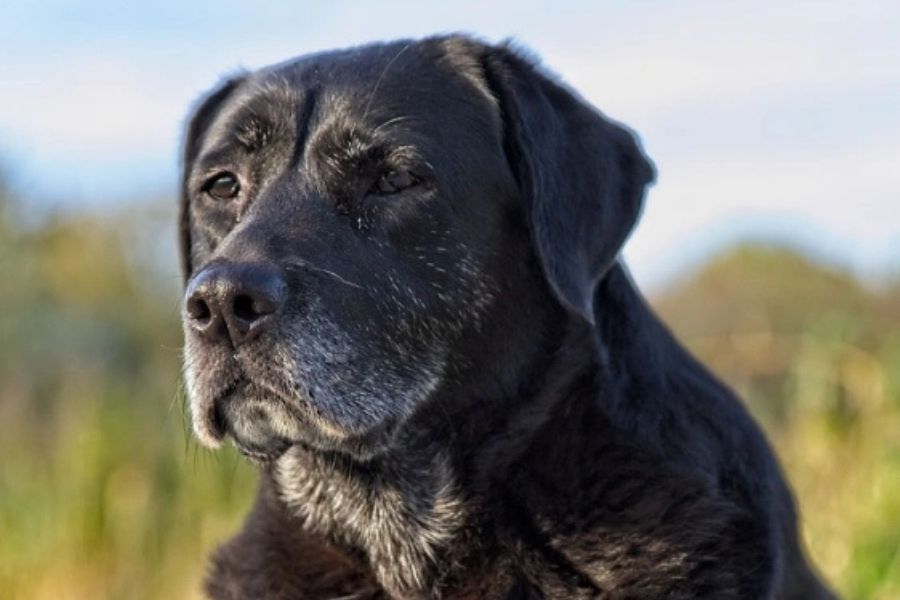


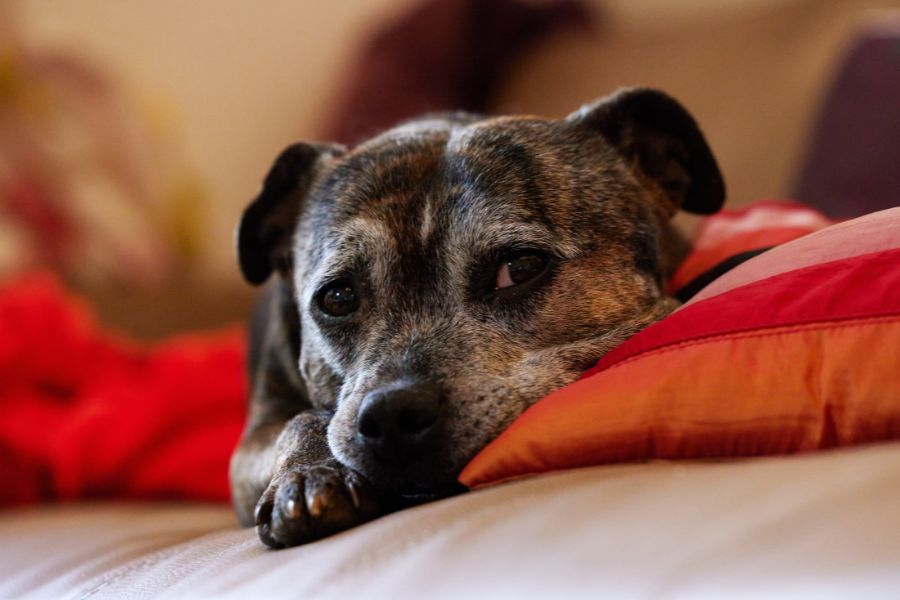
Joint pain in older dogs is one of the most common issues pet parents face as their furry companions age. Stiffness, slow movement, or difficulty getting up can be early signs of arthritis or discomfort. In this guide, we break down the best remedies, lifestyle adjustments, and treatment options to improve mobility and make an old dog comfortable again.
What Causes Joint Pain in Older Dogs?
Joint pain in older dogs typically develops due to wear and tear on cartilage, inflammation, or underlying medical conditions. The most common cause is osteoarthritis, but senior dogs may also experience pain from hip dysplasia, ligament injuries, or obesity.
Common Conditions Behind Dog Joint Pain
- Osteoarthritis: Degeneration of joint cartilage over time, leading to chronic pain.
- Hip or Elbow Dysplasia: Genetic conditions causing improper joint formation.
- Old Injuries: Past trauma or ligament tears that weaken joint stability.
- Obesity: Extra body weight stresses the joints.
- Degenerative Diseases: Such as degenerative myelopathy or spinal arthritis.
Early recognition helps you get the right dog arthritis treatment sooner, improving comfort and mobility.
Signs Your Senior Dog May Be Experiencing Joint Pain
Dogs often hide discomfort, so it’s important to notice subtle behavioral changes.
Key Symptoms to Watch For
- Slow rising after resting
- Stiffness, especially in the morning
- Decreased interest in walks or play
- Limping or favoring one leg
- Difficulty climbing stairs or jumping
- Irritability or restlessness
- Muscle loss in the hind legs
If your dog shows several of these signs, it may be time to explore pain relief for dogs and schedule a veterinary exam.
Best At-Home Remedies to Make an Old Dog Comfortable
Creating a supportive environment can significantly reduce discomfort for your senior dog.
Improve Their Sleeping Space
Provide a supportive orthopedic dog bed designed to cushion pressure points and reduce joint strain.
Maintain a Healthy Weight
Excess weight adds stress to joints. Ask your vet for a weight-loss plan that includes:
- Controlled calorie intake
- Low-impact exercise
- Joint supplements
Gentle, Consistent Exercise
Daily movement keeps joints flexible. Recommended activities include:
- Short, frequent walks
- Swimming or hydrotherapy
- Light stretching
Avoid high-impact activities that worsen joint stress.
Massage and Heat Therapy
Warm compresses help soothe muscles and increase blood flow. Massage can reduce stiffness and improve relaxation.
Non-Slip Flooring
Place rugs or mats around slippery areas to help your dog walk with confidence and prevent accidents.
Effective Veterinary Treatments for Dog Arthritis and Joint Pain
When home remedies aren’t enough, your veterinarian can recommend several clinically proven treatments.
Anti-Inflammatory Medications
NSAIDs are often the first line of defense against dog arthritis pain. They reduce swelling and improve mobility quickly.
Pain Management Options
Your vet may recommend:
- Gabapentin
- Tramadol
- Amantadine
These help manage chronic pain and enhance overall comfort.
Joint Supplements
Veterinarians often suggest supplements like:
- Glucosamine & Chondroitin
- Omega-3 Fatty Acids
- Green-Lipped Mussel
These support cartilage health and reduce inflammation.
H3: Physical Therapy
Rehab sessions may include:
- Underwater treadmill
- Therapeutic exercises
- Laser therapy
Physical therapy is excellent for improving strength and flexibility.
Advanced Treatments
For moderate to severe arthritis, your vet may introduce:
- Platelet-Rich Plasma (PRP) therapy
- Stem cell treatment
- Hyaluronic acid injections
These treatments promote healing and long-lasting pain relief.
Nutrition Tips for Dogs with Arthritis or Mobility Issues
A well-balanced diet plays a crucial role in managing joint pain in older dogs.
H3: Choose Anti-Inflammatory Ingredients
Look for diets rich in:
- Salmon or other omega-3 sources
- Turmeric
- Blueberries
- Antioxidant-rich veggies
Specialized Joint Diets
Some dog food brands offer prescription joint-support formulas containing enhanced fatty acids and joint-building nutrients.
Adequate Hydration
Hydration supports overall mobility and helps maintain muscle and joint function.
How to Slow Down Joint Degeneration as Your Dog Ages
Preventing joint deterioration can give your senior dog years of improved comfort.
Start Joint Support Early
Introducing supplements early, even before symptoms appear, can slow cartilage breakdown.
Keep Them Active — But Safely
Low-impact daily exercise keeps joints lubricated and muscles strong.
Schedule Regular Senior Pet Checkups
Routine evaluations allow your veterinarian to:
- Monitor progression
- Adjust medications
- Identify problems early
These checkups are essential for long-term senior pet care.
When to Seek Immediate Veterinary Care
Some symptoms indicate your dog needs urgent attention:
- Sudden non-weight bearing
- Crying out in pain
- Severe swelling in a limb
- Signs of fever or lethargy
- Paralysis or dragging legs
These may signal an injury, neurological issue, or severe inflammatory flare.
Conclusion
Joint pain in older dogs can significantly affect their mobility and quality of life, but with the right combination of home care, veterinary treatment, and lifestyle management, you can help your senior dog stay comfortable and active. By focusing on early detection, regular exercise, proper nutrition, and tailored pain relief strategies, you give your pet the best chance at long-term comfort and mobility.
If you are conveniently located in Prairie Village, KS, and searching for the best senior pet care near me, Mission Road Animal Clinic is the right choice for compassionate, advanced, and reliable pet care.
FAQs
Q1: What is the most effective treatment for joint pain in older dogs?
NSAIDs prescribed by a veterinarian are often the most effective first-line treatment, followed by supplements and physical therapy.
Q2: How can I naturally relieve my senior dog’s joint pain?
Natural remedies include omega-3 supplements, gentle exercise, massage, turmeric, and warm compresses.
Q3: How do I know if my dog has arthritis or just soreness?
If the stiffness persists for more than a few days and affects mobility, appetite, or behavior, arthritis is likely and should be evaluated by a veterinarian.
Q4: What type of diet is best for dogs with arthritis?
Diets high in omega-3 fatty acids, antioxidants, and joint-supporting ingredients are ideal for reducing inflammation.
Q5: Can an old dog regain mobility with treatment?
Yes. Many senior dogs experience improved mobility with early treatment, weight management, and consistent joint-supportive care.