

Planning a cat spay surgery can feel overwhelming, especially if it’s your first time. Understanding how to prepare your cat for spaying and what to expect before and after the procedure can make the process smoother and stress-free. In this guide, we’ll walk you through a complete cat spay checklist, including preparation tips, recovery expectations, and essential aftercare to keep your feline safe and comfortable.
What Is Cat Spaying and Why Does It Matter
Cat spaying is a routine surgical procedure that removes a female cat’s ovaries and uterus to prevent pregnancy. It’s a key part of cat wellness care and provides both medical and behavioral benefits.
Key Benefits of Spaying Your Cat:
- Prevents unwanted litters
- Reduces risk of uterine infections (pyometra)
- Lowers chances of mammary tumors
- Eliminates heat cycles and loud vocal behaviors
- Supports better long-term health
Spaying is generally recommended between 4–6 months of age, though adult cats can safely undergo the procedure as well.
Your Cat Spay Checklist: Before the Surgery
Preparing ahead of time ensures your cat’s surgery goes smoothly and safely.
1. Schedule a Pre-Surgical Exam
Your veterinarian will perform a full physical exam to confirm your cat is healthy enough for surgery. In some cases, blood tests may be recommended to check organ function.
2. Follow Fasting Instructions
Most clinics will advise:
- No food 8–12 hours before surgery
- Limited water intake for a few hours prior
This helps reduce anesthesia-related risks.
3. Prepare a Quiet Recovery Space
Create a calm, cozy area where your cat can rest after surgery:
- Soft bedding
- Easy access to food and a litter box
- Low noise and minimal activity
4. Use a Secure Carrier
Always transport your cat in a sturdy carrier to keep her safe and reduce stress before and after the procedure.
5. Ask Your Vet Questions
Before surgery, make sure you understand:
- When to drop off and pick up your cat
- Post-surgery care instructions
- Medication details
- Emergency contact information
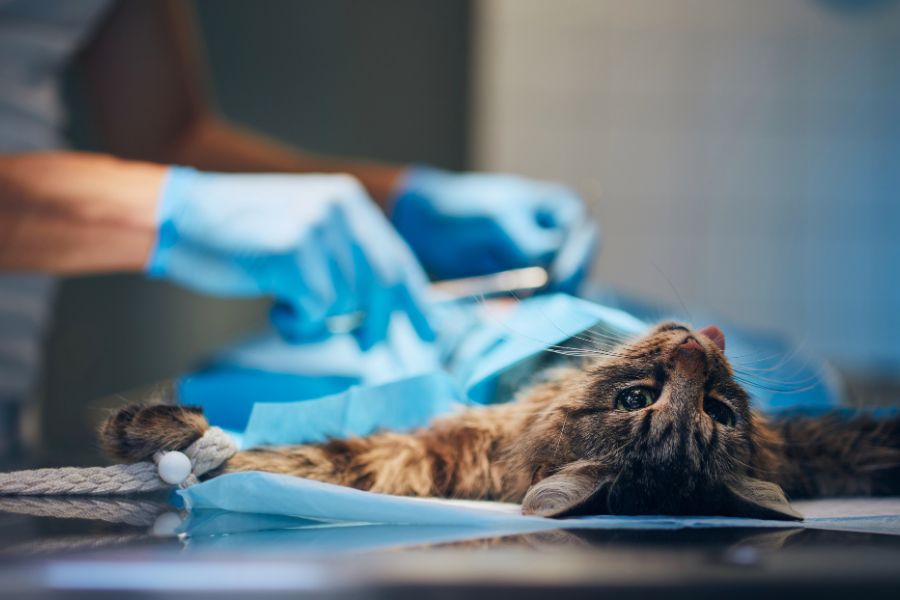
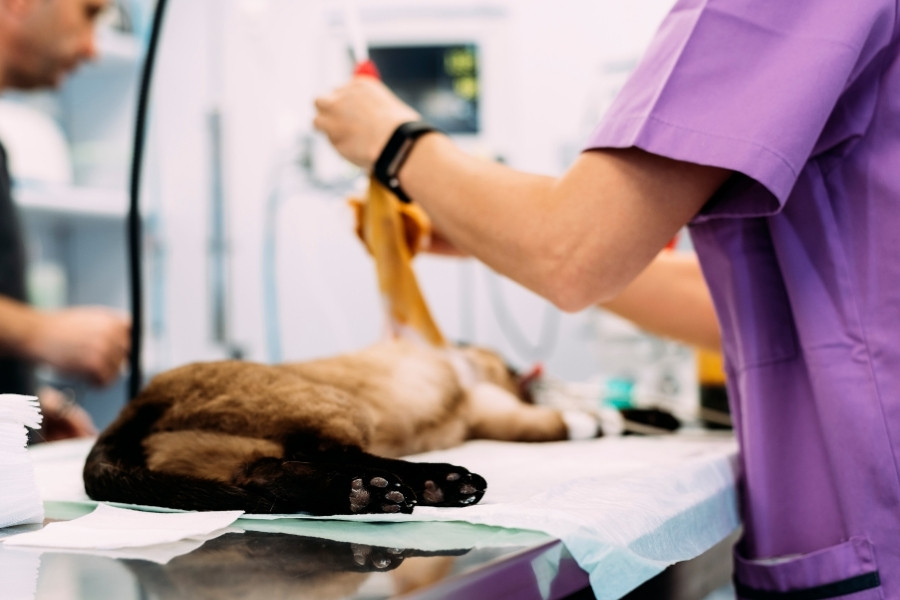
What Happens During Cat Spay Surgery
Knowing what happens during the procedure can help ease your concerns.
Step-by-Step Overview:
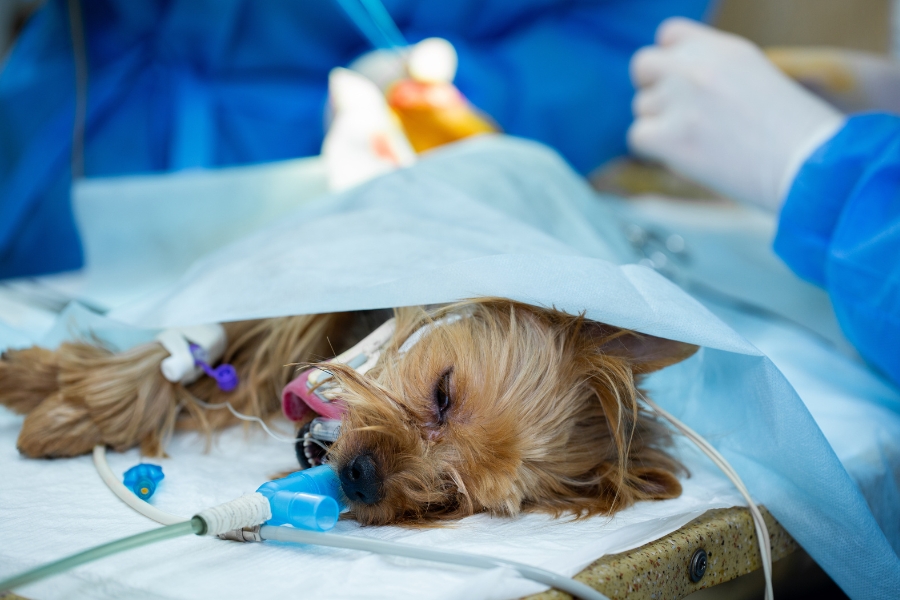
- Anesthesia Administration – Your cat is placed under general anesthesia.
- Surgical Procedure – A small incision is made in the abdomen to remove the reproductive organs.
- Monitoring – Vital signs are carefully monitored throughout surgery.
- Closure – The incision is closed with sutures or surgical glue.
The procedure itself is relatively quick, but your cat will remain under observation until she wakes up safely.
What to Expect After Cat Spay Surgery
Post-surgery behavior may look a little different at first, but most changes are temporary.
Immediate Post-Surgery Signs
Your cat may:
- Feel groggy or sleepy
- Eat less than usual
- Seems slightly unsteady
These effects typically improve within 24 hours.
Physical Changes to Monitor
- Small surgical incision on the abdomen
- Mild swelling or redness
- Lower activity level
Avoid touching the incision unless necessary.
Cat Spay Recovery Checklist
Proper aftercare is essential to ensure a smooth and complication-free recovery.
1. Restrict Activity
Limit movement for 10–14 days:
- Prevent jumping or climbing
- Keep your cat indoors and calm
2. Prevent Licking the Incision
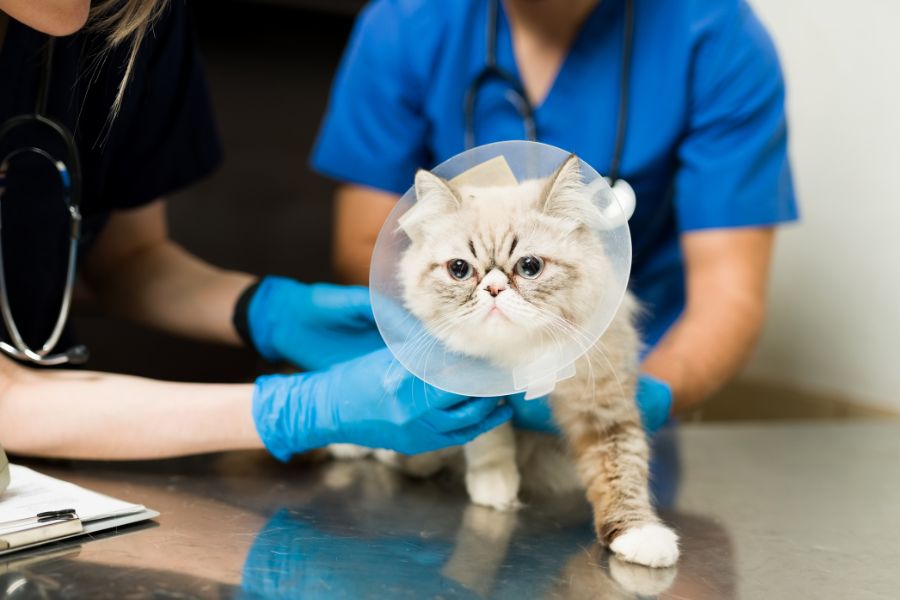
Use an Elizabethan collar (cone) or recovery suit to stop your cat from licking or biting the surgical area.
3. Check the Incision Daily
Watch for:
- Redness or swelling
- Discharge or unusual smell
- Open stitches
If anything looks unusual, contact your vet right away.
4. Give Medications as Directed
Follow your vet’s instructions carefully when giving pain relief or antibiotics.
5. Resume Feeding Gradually
Start with small portions. Most cats return to normal eating habits within a day.
Common Cat Spay Complications
Although cat spay surgery is very safe, it’s important to recognize warning signs early.
Contact Your Vet If You Notice:
- Excessive swelling or bleeding
- Lack of appetite for more than 48 hours
- Vomiting or diarrhea
- Extreme lethargy
- Incision reopening
Prompt veterinary surgical care helps prevent serious complications.
Tips to Keep Your Cat Comfortable After Spaying
A calm environment can significantly improve your cat’s recovery experience.
Simple Comfort Tips:
- Keep the room quiet and dimly lit
- Provide familiar bedding or toys
- Avoid unnecessary handling
- Stay nearby to reassure your cat
Cats heal faster when they feel safe and stress-free.
Long-Term Care After Spaying
After recovery, you may notice some long-term changes in your cat.
What to Expect:
- Slightly reduced activity levels
- Changes in metabolism
How to Maintain a Healthy Lifestyle:
- Feed balanced, portion-controlled meals
- Encourage regular play and exercise
- Schedule routine vet visits
Ongoing cat wellness care helps your pet stay healthy and active for years to come.
Conclusion:
Spaying your cat is a responsible step that protects her health and prevents future complications. By following this cat spay checklist, you can confidently prepare for the procedure and support a smooth recovery. From pre-surgery planning to post-operative care, each step ensures your cat stays safe and comfortable. If you’re planning your cat’s spay procedure, Mission Road Animal Clinic in Prairie Village is here to help guide you through every stage. Book an appointment today and give your cat the care she deserves.
FAQs:
Q1: How long does it take for a cat to recover from spaying?
Ans: Most cats recover within 10–14 days, though they begin feeling better within a few days after surgery.
Q2: Can I leave my cat alone after spaying surgery?
Ans: It’s best to monitor your cat closely for the first 24 hours, then check on her regularly during recovery.
Q3: When can my cat eat after spaying surgery?
Ans: You can offer a small meal a few hours after surgery, but normal appetite may take up to a day to return.
Q4: Is spaying painful for cats?
Ans: Discomfort is mild and managed with medications. Most cats recover quickly with proper care.
Q5: At what age should I spay my cat?
Ans: Cats are typically spayed between 4–6 months of age, but older cats can also safely undergo the procedure.