
Preparing your puppy or kitten for surgery can feel overwhelming, especially if it is your pet’s first procedure. The good news is that with the right plan, most young pets recover quickly and safely. This guide covers everything you need to know about preparing your puppy or kitten for surgery, including fasting instructions, lab work, transportation, and post-op planning. By following these puppy kitten surgery preparation tips, you can reduce stress, minimize complications, and help your pet heal faster.
Why Proper Preparation Matters Before Puppy or Kitten Surgery
Surgery, even routine procedures like spaying or neutering, requires anesthesia. Young pets have developing immune systems and smaller body reserves, so proper preparation is essential.
Benefits of careful preparation include:
- Reduced anesthesia risks
- Lower chance of surgical complications
- Faster recovery time
- Less stress for both you and your pet
A well-structured puppy or kitten surgery guide ensures your pet is medically ready and emotionally supported before the procedure.
Step 1: Schedule a Pre-Surgical Exam
Before surgery, your veterinarian will perform a physical examination to confirm your puppy or kitten is healthy enough for anesthesia.
During this exam, your vet will check:
- Heart and lung function
- Body weight and temperature
- Hydration status
- Signs of infection or illness
If your pet shows symptoms like coughing, vomiting, diarrhea, or lethargy, surgery may need to be postponed.
For very young pets, pre-anesthetic bloodwork is often recommended. This helps evaluate:
- Liver function
- Kidney function
- Blood sugar levels
- Red and white blood cell counts
These tests help identify hidden issues that could increase anesthesia risk.
Step 2: Follow Fasting Instructions Carefully
One of the most important parts of preparing your puppy or kitten for surgery is proper fasting.
Why Fasting Is Necessary
Anesthesia relaxes the muscles that normally prevent stomach contents from coming back up. If your pet has food in their stomach, they could vomit and aspirate, which can lead to pneumonia.
General Fasting Guidelines
Your clinic will provide specific instructions, but most recommendations include:
- No food for 8 to 12 hours before surgery
- Water is usually allowed until the morning of surgery
- Very young or tiny puppies may have modified fasting times
Never assume standard instructions apply to your pet. Always confirm details with your veterinarian.
Step 3: Adjust Medications if Directed
If your puppy or kitten is taking medication, ask your veterinarian whether to:
- Continue the medication
- Skip the morning dose
- Give a reduced amount
Do not stop medications without veterinary guidance. Some drugs must be continued to prevent complications.
Step 4: Bathe and Groom Before Surgery Day
After surgery, your pet cannot be bathed for 10 to 14 days. The incision must stay dry to prevent infection.
It is helpful to:
- Bathe your pet 1 to 2 days before surgery
- Trim long hair if needed
- Remove mats or debris from the coat
Clean fur reduces bacteria around the surgical area and helps keep the incision clean during recovery.
Step 5: Prepare a Quiet Recovery Space at Home
Recovery planning is part of the surgery preparation tips.
Before surgery day, set up:
- A small, quiet room
- Soft bedding
- Limited access to stairs
- Separation from other pets
Young pets often feel groggy after anesthesia. A calm environment reduces the risk of jumping or rough play that could disrupt stitches.
For puppies, consider crate rest if recommended. For kittens, block off climbing areas to prevent strain on the incision.
Step 6: Plan for Post-Surgery Monitoring
After your pet returns home, close observation is critical during the first 24 hours.
Watch for:
- Excessive swelling at the incision site
- Bleeding or discharge
- Vomiting or persistent diarrhea
- Extreme lethargy
- Difficulty breathing
Mild grogginess and reduced appetite are common, but symptoms should gradually improve.
Most pets also go home with:
- Pain medication
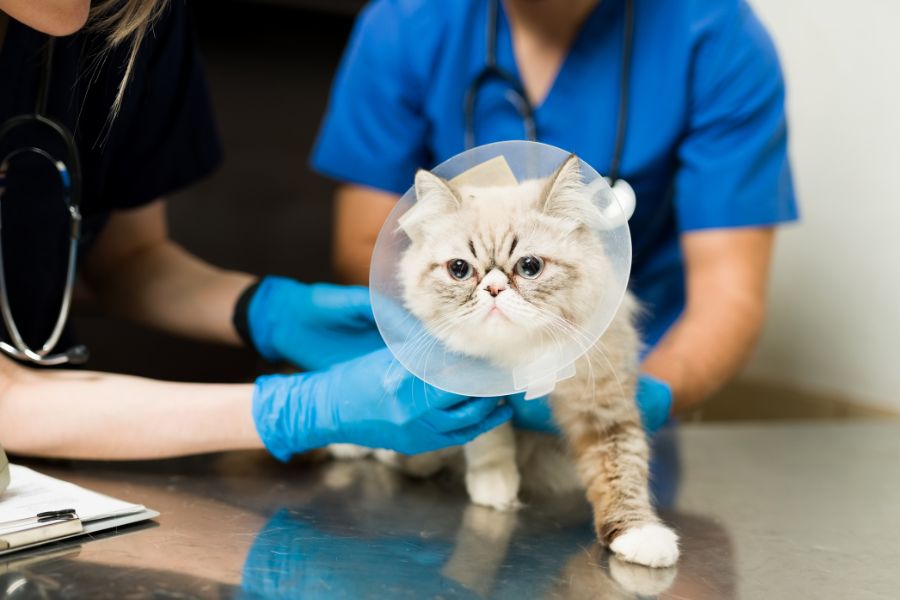
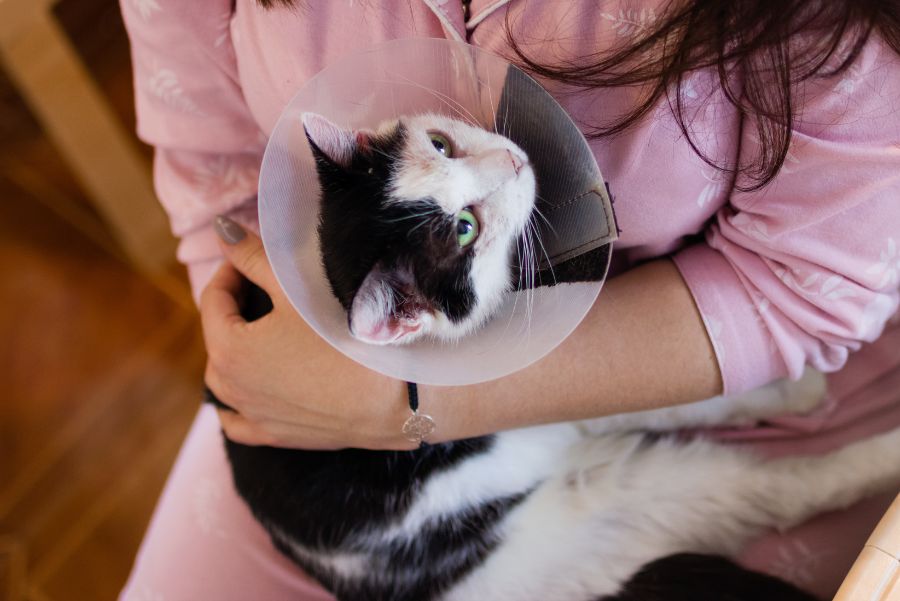
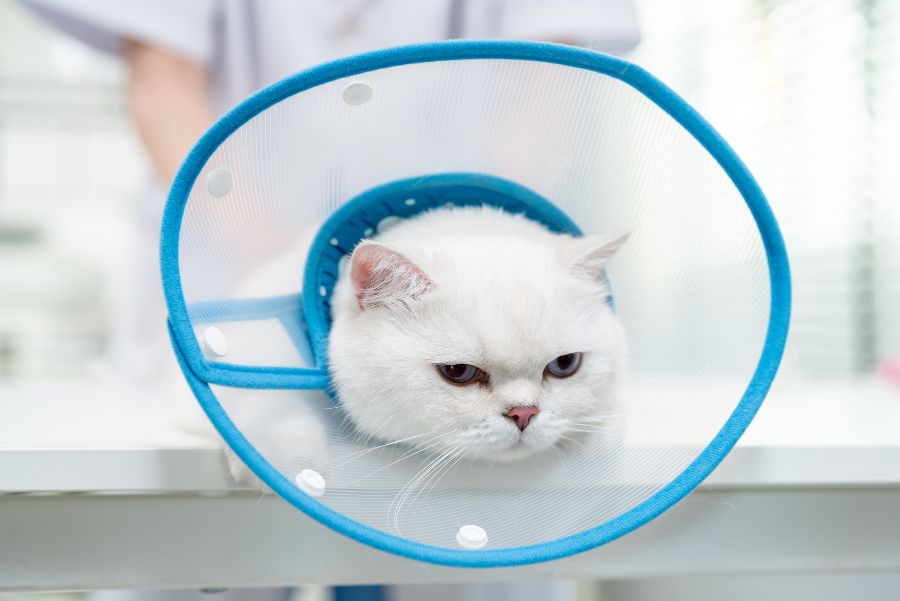
- An Elizabethan collar or surgical suit
- Activity restrictions for 10 to 14 days
Preventing licking or chewing at the incision is one of the most important parts of the puppy-kitten surgery guide.
What to Bring on Surgery Day
Being organized makes drop-off easier.
Bring:
- Any required paperwork
- Current medications
- Updated vaccination records if requested
- Emergency contact information
Avoid bringing toys, blankets, or food unless the clinic asks for them.
Drop-off appointments usually happen in the morning. Pick-up times vary depending on the procedure and your pet’s recovery.
Common Surgeries for Puppies and Kittens
Most young pets undergo routine procedures, including:
- Spay or neuter surgery
- Hernia repair
- Removal of retained baby teeth
- Minor mass removal
Spay and neuter surgeries are among the most common. Sterilization reduces certain cancers and unwanted litters, contributing to longer, healthier lives.
How to Reduce Your Pet’s Anxiety Before Surgery
Puppies and kittens pick up on your emotions. Staying calm helps them stay calm.
Helpful strategies include:
- Keeping a normal routine the night before
- Avoiding excessive cuddling or dramatic goodbyes
- Using calming pheromone sprays if recommended
- Providing gentle reassurance
If your pet is highly anxious, discuss safe calming options with your veterinarian in advance.
Conclusion
Properly preparing a puppy or kitten for surgery reduces complications and helps your pet recover smoothly. From fasting instructions and pre-surgical exams to creating a quiet recovery area, every step plays an important role. Following a clear puppy or kitten surgery guide ensures you feel confident and your pet receives the safest care possible.
If you are looking for trusted puppy or kitten care in Prairie Village, schedule an appointment with Mission Road Animal Clinic. Our experienced veterinary team provides compassionate surgical care and detailed recovery guidance. Contact us today to book your pet’s pre-surgical exam and get expert support for your puppy or kitten’s procedure.
FAQs
Q1: How long should I withhold food when preparing your puppy or kitten for surgery?
Ans: Most pets should fast for 8 to 12 hours before surgery, but always follow your veterinarian’s specific instructions.
Q2: Do puppies and kittens need bloodwork before surgery?
Ans: Pre-anesthetic bloodwork is highly recommended to check liver, kidney, and blood health before anesthesia.
Q3: Can my puppy or kitten drink water before surgery?
Ans: Water is often allowed until the morning of surgery, but confirm exact timing with your clinic.
Q4: How do I stop my pet from licking the incision?
Ans: Use an Elizabethan collar or surgical recovery suit as directed by your veterinarian.
Q5: What should I monitor after puppy or kitten surgery?
Ans: Watch for swelling, discharge, vomiting, extreme lethargy, or signs of pain, and contact your veterinarian if you notice anything unusual.