

Facing surgery with your dog can be stressful, and one of the most common questions is: How long will recovery take? The answer depends on multiple factors including the type of surgery, your dog’s age, overall health, and post-operative care. In this detailed guide, we explore the typical recovery timeline, key stages involved, and expert advice from pet surgery clinics to support your pet’s smooth healing journey.
Understanding Dog Surgery Recovery
Just like people, dogs need time to heal after surgery. Recovery is not instantaneous but a gradual process where the body repairs tissues, reduces swelling, and regains normal function. For minor procedures like spaying or neutering, recovery may be quicker, while more complex surgeries such as orthopedic repairs or tumor removals require longer healing periods.
Veterinarians in Prairie Village emphasize that each pet’s recovery timeline is unique, shaped by surgery type, anesthesia effects, and individual health conditions. Typically, recovery spans from about a week to several months.
Early Days Post-Surgery: What to Expect in the First 48 Hours
The initial 48 hours after surgery are critical for your dog’s recovery. During this period:
- Dogs may feel groggy or disoriented from anesthesia
- Appetite might be reduced but usually returns within a day
- Pain and swelling are common but manageable with prescribed medications
- Activity should be strictly limited to prevent complications
At this stage, closely monitoring your pet and following your veterinarian’s instructions is vital. Keeping your dog calm, comfortable, and hydrated helps kickstart healing.
One to Two Weeks After Surgery: The Crucial Healing Phase
Most surgical incisions start healing visibly within 7 to 14 days. During this phase:
- Sutures or staples may be removed if non-dissolvable
- Swelling and bruising usually diminish considerably
- Your dog will gradually become more active but should avoid running, jumping, or roughhousing
- Balanced nutrition supports tissue repair
Your pet surgery vet will likely schedule a follow-up appointment to assess healing progress and address any concerns.
The Long Haul: When Recovery Lasts Beyond Two Weeks
Certain surgeries, especially orthopedic or abdominal procedures, require extended recovery periods often lasting 4 to 8 weeks or more. Dogs may need restricted movement with leash-only walks and no vigorous activity.
Physical therapy or gentle rehabilitation exercises might be recommended to restore strength and mobility. Throughout this time, consistent veterinary guidance ensures that no setbacks occur.
Tips for a Smooth Recovery: What You Can Do as a Pet Parent
As a caring pet owner, your role in post-surgery care profoundly affects recovery quality. Consider these tips:
- Create a quiet, safe space for rest away from household noise and other pets
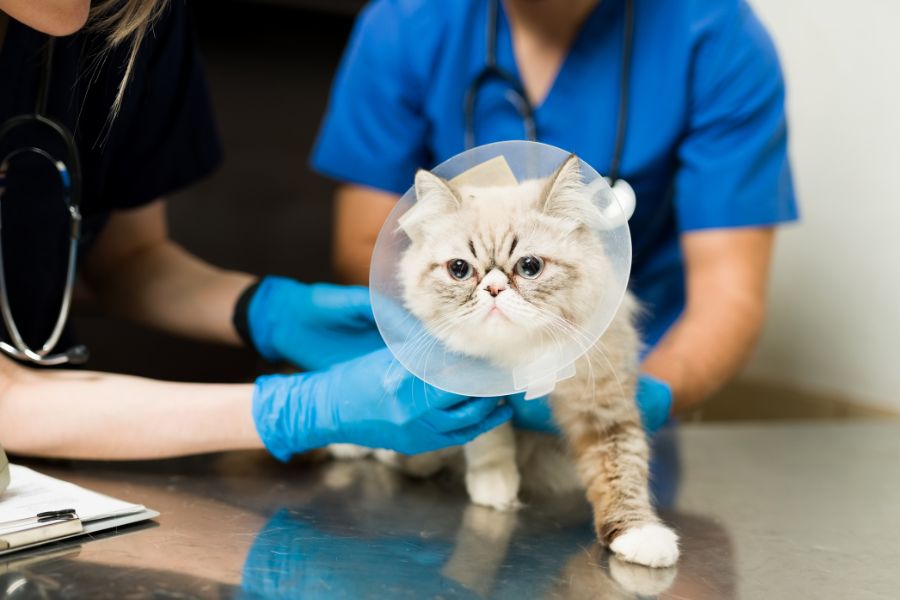
- Use an Elizabethan collar (cone) to prevent licking or biting at the surgical site
- Administer all prescribed medications on schedule to control pain and prevent infection
- Maintain the dog’s routine feeding schedules but avoid treats or excessive food that can slow healing
- Monitor for any unusual signs like persistent vomiting, swelling, or fever, and contact your pet surgery Prairie Village vet immediately if concerned
Being vigilant and patient during this time will help your dog regain full health confidently and comfortably.
Recognizing Signs of Complications During Recovery
While most dogs heal smoothly, complications can occasionally arise. Warning signs include:
- Excessive swelling, redness, or discharge from the incision
- Lethargy or loss of appetite beyond the initial days
- Difficulty walking or worsening limping after orthopedic surgery
- Repeated vomiting or diarrhea
If you notice these symptoms, prompt veterinary evaluation is essential to address potential infections or other issues.
When Is Your Dog Fully Recovered After Surgery?
Complete recovery means your dog returns to normal behavior, activity levels, and shows no pain or discomfort. This milestone varies but generally occurs:
- Within 10 to 14 days for routine spays/neuters
- Around 4 to 8 weeks for more involved surgeries
- Longer if special rehabilitation is required
Patience is key here. Rushing activity too soon may cause setbacks, while steady progression ensures long-term wellbeing.
Frequently Asked Questions About Dog Surgery Recovery
Q1. How can I tell if my dog is healing properly after surgery?
Ans. Look for decreasing swelling, normal appetite, improved mobility, and no signs of infection such as redness or discharge.
Q2. When should I take my dog back to a veterinarian?
Ans. Follow-up visits are usually scheduled within 7 to 14 days post-surgery or sooner if you notice unusual symptoms like excessive pain or swelling.
Q3. Can my dog go outside during recovery?
Ans. Short, controlled leash walks are generally okay after the first few days, but avoid vigorous activity and jumping.
Q4. How do I manage pain after surgery?
Ans. Always give pain medications as prescribed by your vet. Do not use human painkillers, as these can be harmful.
Q5. Is physical therapy necessary after surgery?
Ans. For complex surgeries like joint repairs, physical therapy can speed recovery and improve mobility. Your veterinarian can advise if it’s appropriate.
Q6. What makes Prairie Village pet surgery clinics different?
Ans. Clinics in Prairie Village offer personalized care plans, experienced surgeons, and thorough follow-up support to ensure safe and effective recovery.
Recovery from dog surgery varies widely based on the individual dog and procedure performed. With patience, proper care, and expert veterinary guidance—especially from trusted pet surgery providers—you can help your furry friend heal safely and return to a happy, active life.