

When your pet needs surgery, choosing the right veterinarian is one of the most important decisions you will make as a pet owner. From minor mass removals to complex internal procedures, pet soft tissue surgery requires skill, experience, and careful postoperative care. This guide explains what veterinary soft tissue surgery involves, what qualifications to look for in a vet, and how to ensure your pet receives safe and effective pet surgery.
What Is Pet Soft Tissue Surgery?
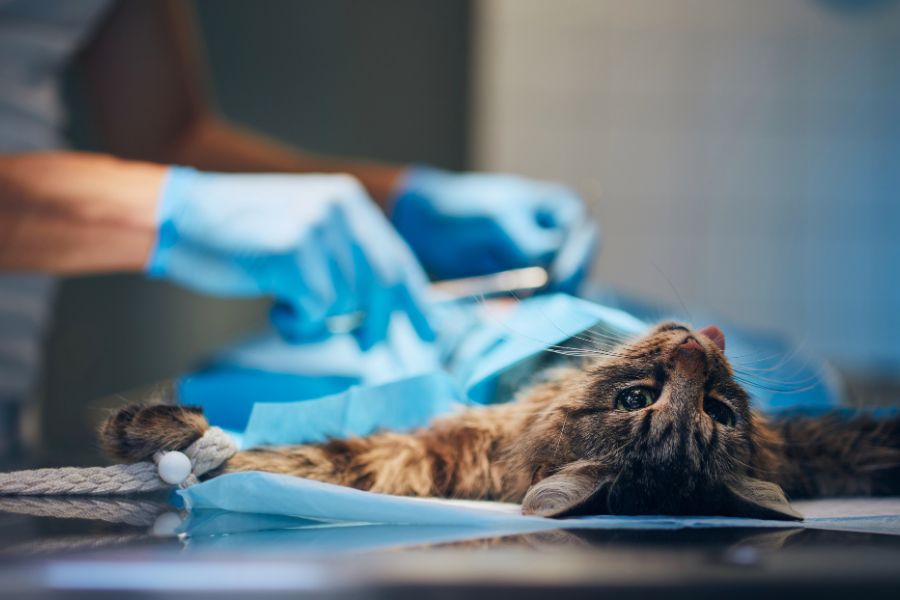
Veterinary soft tissue surgery refers to procedures that do not involve bones or joints. These surgeries address issues affecting your pet’s organs, skin, muscles, and internal systems. They are among the most common procedures performed in small animal clinics.
Examples of pet soft tissue surgery include:
- Spay and neuter procedures
- Tumor and mass removal
- Gastrointestinal surgery (foreign body removal, biopsies)
- Bladder stone removal
- Wound repair and abscess treatment
- Hernia repair
Because these surgeries often involve vital organs and delicate tissues, selecting a veterinarian in Prairie Village with proper training and surgical experience is essential.
Why Choosing the Right Vet Matters for Soft Tissue Surgery
Not all veterinary clinics offer the same level of surgical expertise. The outcome of pet soft tissue surgery depends on accurate diagnosis, surgical precision, anesthesia safety, and attentive aftercare.
An experienced veterinarian helps ensure:
- Reduced surgical risks and complications
- Proper pain management before and after surgery
- Faster recovery and improved comfort for your pet
- Clear communication and realistic expectations for pet owners
For pet owners seeking pet surgery in Prairie Village, selecting a clinic with modern equipment and a skilled medical team can make a significant difference in results.
Qualifications to Look for in a Veterinary Surgeon
When evaluating a veterinarian for veterinary soft tissue surgery, credentials and continuing education matter. While general practice veterinarians can perform many soft tissue procedures, their training and experience should be reviewed carefully.
Key qualifications to consider include:
- Doctor of Veterinary Medicine (DVM) degree
- Ongoing training in surgical techniques and anesthesia
- Experience performing the specific procedure your pet needs
- Familiarity with current best practices in sterile technique and pain control
You may also ask how frequently the clinic performs similar surgeries and what success rates they typically see.
Surgical Technology and Facility Standards
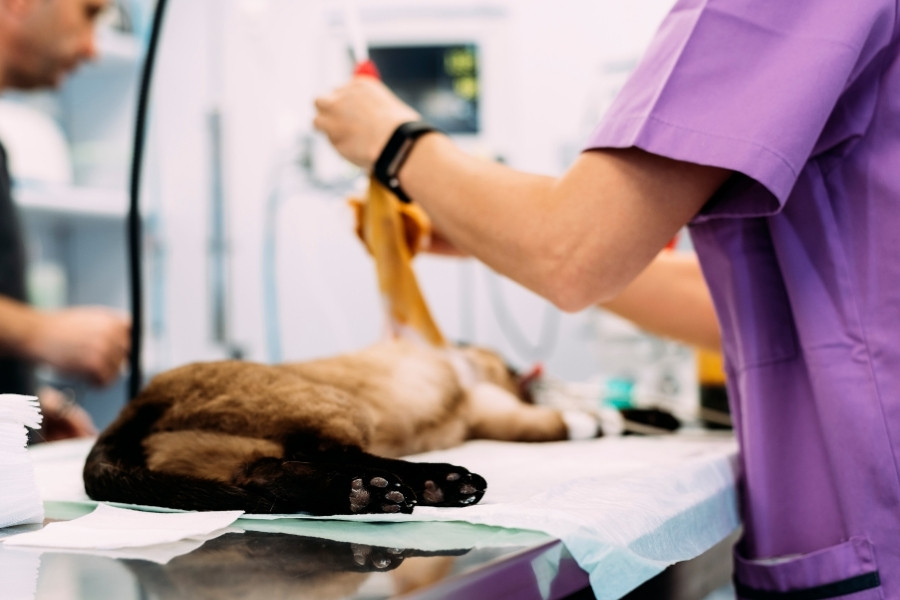
A well-equipped surgical facility plays a critical role in the success of pet soft tissue surgery. Modern clinics invest in equipment that improves safety, accuracy, and monitoring during procedures.
Important features to look for include:
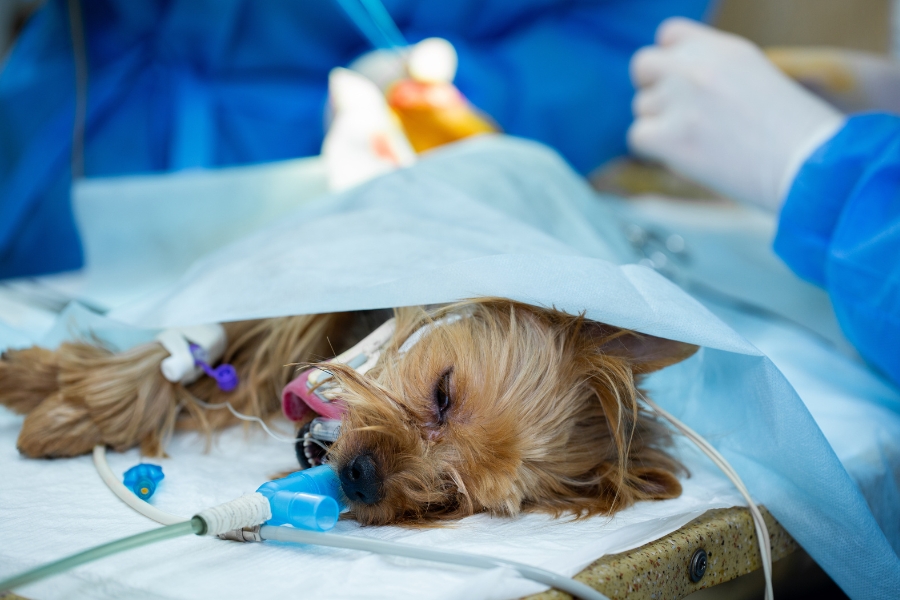
- Advanced anesthesia monitoring (heart rate, oxygen levels, blood pressure)
- Sterile surgical suites with proper infection control protocols
- Diagnostic imaging, such as digital X-rays or ultrasound
- In-house laboratory testing for pre-surgical bloodwork
High facility standards help minimize risks and support smoother recovery for pets undergoing pet surgery in Prairie Village.
Pre-Surgical Evaluation and Communication
A reputable veterinarian will never rush into surgery without proper evaluation. Pre-surgical assessments help identify underlying health issues that could affect anesthesia or healing.
A thorough pre-surgical process typically includes:
- Physical examination
- Bloodwork to assess organ function
- Imaging if needed to confirm diagnosis
- Clear explanation of the procedure, risks, and recovery timeline
Pet owners should feel comfortable asking questions. Good communication builds trust and ensures you understand how your pet will be cared for before, during, and after surgery.
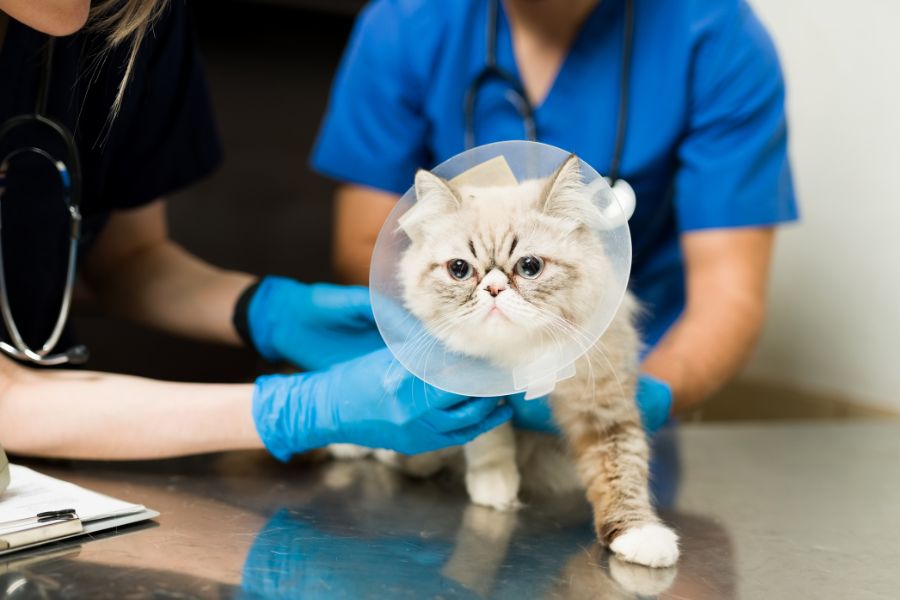
Pain Management and Postoperative Care
Pain control is a critical component of veterinary soft tissue surgery. Effective pain management improves healing, reduces stress, and supports a quicker return to normal activity.
Ask your veterinarian about:
- Multimodal pain control methods
- Medications prescribed for home use
- Activity restrictions during recovery
- Follow-up appointments and incision checks
Postoperative care is just as important as the surgery itself. A clinic that provides detailed home care instructions and ongoing support helps prevent complications and promotes better outcomes.
Emergency Preparedness and Complication Management
Even with careful planning, complications can occasionally occur during or after pet soft tissue surgery. Choosing a veterinarian who is prepared to handle emergencies adds an extra layer of security.
Important considerations include:
- Staff trained in emergency response
- Access to emergency equipment and medications
- Clear protocols for handling unexpected surgical complications
- Referral relationships with specialty hospitals if advanced care is needed
Preparedness demonstrates professionalism and commitment to patient safety.
Cost Transparency and Treatment Planning
Cost is an understandable concern for many pet owners. While price should not be the only deciding factor, transparency is essential when planning pet surgery.
A trustworthy clinic will:
- Provide written estimates before surgery
- Explain what is included in the cost
- Discuss alternative treatment options when appropriate
- Avoid surprise fees after the procedure
Clear financial communication allows pet owners to make informed decisions while prioritizing their pet’s health.
How to Evaluate Pet Surgery Options in Prairie Village
If you are considering pet surgery in Prairie Village, take time to research and visit clinics when possible. Observing how staff interact with pets and clients can offer valuable insight into the quality of care.
Helpful evaluation steps include:
- Reading client reviews and testimonials
- Asking about surgical experience and protocols
- Touring the facility if permitted
- Assessing how comfortable your pet seems with the staff
A clinic that values compassion, education, and medical excellence is more likely to deliver positive surgical outcomes.
Conclusion
Choosing the right veterinarian for pet soft tissue surgery requires careful consideration of experience, facilities, communication, and postoperative care. By understanding what veterinary soft tissue surgery involves and what standards to expect, pet owners can make confident decisions that support their pet’s health and recovery. If you are seeking trusted pet surgery in Prairie Village, Mission Road Animal Clinic is committed to providing safe, compassionate surgical care.
FAQs
Q1: What is considered soft tissue surgery for pets?
Soft tissue surgery includes procedures involving organs, skin, muscles, and internal systems, such as spaying and neutering surgeries, tumor removal, and gastrointestinal operations.
Q2: Is pet soft tissue surgery safe?
Yes, when performed by a qualified veterinarian with proper anesthesia monitoring and postoperative care, pet soft tissue surgery is generally very safe.
Q3: How long does recovery take after veterinary soft tissue surgery?
Recovery time varies by procedure, but most pets heal within 10 to 14 days with proper rest and follow-up care.
Q4: How do I prepare my pet for surgery?
Preparation usually includes fasting, pre-surgical bloodwork, and following your veterinarian’s specific instructions before the procedure.
Q5: Why choose local pet surgery in Prairie Village?
Local care allows for easier follow-up visits, familiar surroundings for your pet, and quicker access to your veterinarian if concerns arise after surgery.