

Your pet cannot tell you when something feels off. That is why a pet wellness exam is one of the most important things you can do to protect their health each year. Routine checkups catch problems early, before symptoms become serious and before treatment becomes more complicated. Many conditions, including heart disease, dental disease, and kidney dysfunction, develop silently over months or years. By the time a pet owner notices a change in behavior or appetite, the condition may already be advanced. Annual exams give your veterinarian a complete picture of your pet’s health at every life stage, from playful puppies and kittens to senior dogs and cats. If you have never brought your pet in for a yearly visit or it has been longer than a year, this guide will walk you through exactly what happens and why it matters.
Why Annual Wellness Visits Are a Core Part of Pet Care
Preventive care is the foundation of a long, healthy life for your pet. An annual wellness visit is not just a quick once-over. It is a systematic evaluation of every major body system, designed to catch subtle changes a pet owner might miss at home.
Dental disease affects an estimated 80% of dogs and 70% of cats over the age of three. Most pet owners are surprised to learn their pet’s chronic bad breath is not a quirk. It is typically the first visible sign of periodontal disease that has already been progressing for months. Catching that early at a wellness visit can prevent tooth loss, pain, and organ stress caused by bacterial spread.
Beyond teeth, annual checkups also allow your veterinarian to track weight trends, screen for parasites, review vaccination status, and evaluate organ function through bloodwork. A single annual vet checkup tip that makes a real difference: bring a list of any behavior changes you have noticed, no matter how small. Slight shifts in drinking habits, sleep patterns, or play drive can all be relevant clinical data.
Signs Your Pet May Already Be Overdue for a Visit
Some pets come in only when something is visibly wrong. But many of the conditions caught during wellness exams show no obvious symptoms at all. Knowing the subtle signs your pet needs a vet can help you act before a minor issue becomes a major one.
Watch for these changes between annual visits:
- Increased or decreased thirst: Many dogs and cats showing unusual thirst patterns are experiencing early signs of kidney disease, diabetes, or hormonal imbalance, not just a change in weather.
- Gradual weight change: Slow weight loss in cats and slow weight gain in dogs are among the most commonly overlooked warning signs seen at wellness visits.
- Bad breath or drooling: Both signal oral disease that is almost always further along than it appears on the surface.
- Changes in litter box or bathroom habits: Frequency, consistency, and effort during elimination can all indicate urinary, digestive, or metabolic issues.
- Lower energy or reluctance to play: Reduced activity in a previously active pet is rarely just aging. It often points to pain, joint disease, or systemic illness.
If you notice any of these signs, contact your veterinarian promptly. Do not wait for the annual visit if something feels off between scheduled appointments.
What Happens Step by Step During a Wellness Exam
Understanding the pet physical exam process can ease anxiety for both you and your pet. Here is what a typical comprehensive wellness visit looks like:
- Weight and vitals check: Your pet is weighed and temperature, heart rate, and respiratory rate are recorded. These baseline numbers are compared to previous visits to track trends over time.
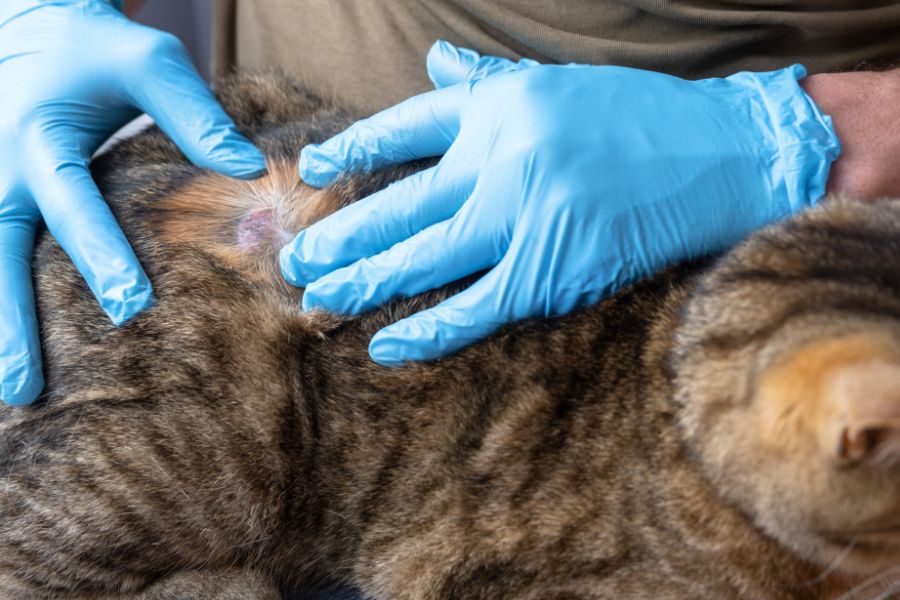
- Head-to-tail physical examination: Your veterinarian will examine eyes, ears, nose, mouth, teeth, lymph nodes, skin, coat, and paws. The abdomen is palpated to assess organ size and detect any unusual masses.
- Heart and lung auscultation: A stethoscope is used to listen for murmurs, irregular rhythms, or abnormal breath sounds that may not produce any outward symptoms.
- Musculoskeletal assessment: Joints, muscle tone, and gait are evaluated, especially in senior pets where arthritis is common and often underdiagnosed.
- Parasite screening: A fecal sample is tested for intestinal parasites. Heartworm testing is performed based on your pet’s risk profile and preventive history.
- Bloodwork and urinalysis (when recommended): Organ function panels, thyroid levels, and complete blood counts give a detailed internal picture that no physical exam alone can provide.
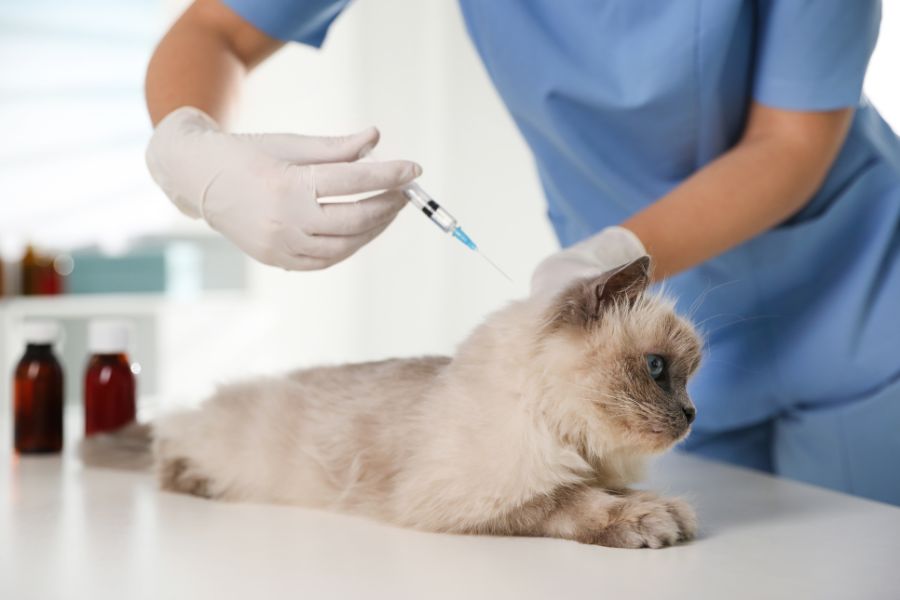
- Vaccine review: Your veterinarian will review your pet’s current vaccination history and recommend any updates appropriate for their age, lifestyle, and local disease risk in Prairie Village, Kansas.
- Personalized care discussion: At the end of the visit, you will have dedicated time to ask questions and discuss nutrition, dental care, and any concerns you have about your pet’s behavior or lifestyle.
In Prairie Village, Kansas, seasonal factors, including regional heartworm pressure and outdoor exposure risks in warmer months, may also shape the preventive recommendations your veterinarian makes during this visit.
Common Misconceptions About Yearly Pet Exams
One of the most persistent myths in pet ownership is that a healthy-looking pet does not need a yearly visit. In reality, the pets that appear completely fine are exactly the ones who benefit most from annual checkups, because subclinical disease has not yet produced visible signs.
Another common belief is that indoor pets face fewer health risks. Indoor cats, for example, are still susceptible to dental disease, obesity, hyperthyroidism, and kidney disease at the same rates as outdoor cats. Keeping pets healthy yearly requires consistent preventive care regardless of lifestyle.
In the Prairie Village, Kansas area, one additional risk that comes up frequently is exposure to regional parasites, particularly in dogs with any outdoor access. Heartworm, ticks, and intestinal parasites are active throughout the warm season and require year-round prevention that is tailored and updated at each annual visit. Another annual vet checkup tip worth remembering: do not skip the visit just because your pet seems healthy. The exam itself is the tool that confirms that.
Choosing the Right Clinic for Your Pet’s Annual Care
Not all wellness visits are the same. When selecting a veterinary clinic for your pet’s yearly exam, look for a practice that takes time to review your pet’s complete history, performs a thorough physical examination from nose to tail, offers in-house diagnostic testing, and gives you time to ask questions without feeling rushed.
A clinic that knows your pet year over year builds a longitudinal picture of their health, making it far easier to detect meaningful changes and respond quickly when something is off. The signs your pet needs a vet are easier to interpret in the context of a full history, not a first visit.
At Mission Road Animal Clinic, annual wellness exams are built around each individual patient. Every visit includes a complete physical, personalized preventive care planning, and a real conversation about what your pet needs at their current life stage.
Conclusion
Your pet’s health depends on what happens before problems appear. A pet wellness exam done consistently each year is the single most effective tool available to catch disease early, prevent avoidable illness, and give your pet the longest, most comfortable life possible. Whether your pet is one year old or fourteen, the value of a thorough annual visit does not change. Staying current on yearly checkups, keeping pets healthy yearly through preventive care, and partnering with a veterinary team that knows your pet well are the foundations of responsible pet ownership. Do not wait for symptoms to schedule a visit. Book an appointment today.
Frequently Asked Questions
Q: How long does a pet wellness exam typically take?
Ans: Most annual wellness exams take between 30 and 60 minutes, depending on your pet’s age, health history, and whether diagnostic testing such as bloodwork or urinalysis is performed during the visit.
Q: At what age should I start bringing my pet for annual exams?
Ans: Wellness visits should begin as early as eight weeks of age for puppies and kittens. Annual visits are recommended throughout adulthood, and senior pets, generally dogs and cats over age seven, often benefit from twice-yearly checkups to monitor age-related changes more closely.
Q: Do indoor pets really need annual wellness exams?
Ans: Yes. Indoor pets are still susceptible to dental disease, obesity, organ dysfunction, and other conditions that develop without obvious outward signs. Annual exams are just as important for indoor pets as for those with outdoor access.
Q: What should I bring to my pet’s wellness exam?
Ans: Bring any previous medical records if you are visiting a new clinic, a fresh stool sample for parasite screening, a list of any medications or supplements your pet currently takes, and notes on any behavioral or physical changes you have noticed.
Q: How often does my pet actually need vaccines updated?
Ans: Vaccination schedules vary based on your pet’s species, age, lifestyle, and local disease risk. Your veterinarian will review your pet’s current status during the wellness visit and recommend only the updates that are appropriate and necessary for that specific animal.