

Pet owners know how quickly the seasons shift in Kansas. Warm springs and humid summers create the perfect conditions for fleas, ticks, and mosquitoes. Flea tick prevention for pets is not just a spring task. It is a year-round commitment that protects your dog or cat from serious health threats. Many parasites survive indoors through winter, and heartworm-carrying mosquitoes can remain active longer than most people expect. Skipping even one month of prevention can leave your pet exposed. A single flea can trigger an allergic reaction. One tick bite can transmit Lyme disease. And heartworm, if left untreated, can be fatal. This guide explains why consistent protection matters and what you can do to keep your pet safe every month of the year.
Why Parasites Are a Problem Every Season
Many pet owners assume parasites disappear once the temperature drops. That is one of the most common misconceptions we encounter. Fleas can survive indoors all winter long. They thrive in carpet, bedding, and upholstered furniture regardless of the weather outside. Ticks in the Kansas City area can remain active on warm winter days when temperatures reach 40 degrees or higher. That means your dog can pick up a tick in January after a walk in the yard.
Heartworm disease is another year-round concern. Mosquitoes transmit heartworm larvae to dogs and cats through a single bite. Because mosquitoes in the Midwest can remain active well into autumn, the risk does not end with summer. The American Heartworm Society estimates that over one million dogs in the United States are heartworm positive at any given time. That number reflects what happens when prevention is inconsistent or discontinued too early.
Pet parasite prevention tips always start with one simple truth: there is no safe month to skip protection.
Signs Your Pet May Have a Parasite Problem
Catching a parasite problem early makes treatment faster and less expensive. Knowing what to look for gives you a real advantage.
Watch for these warning signs:
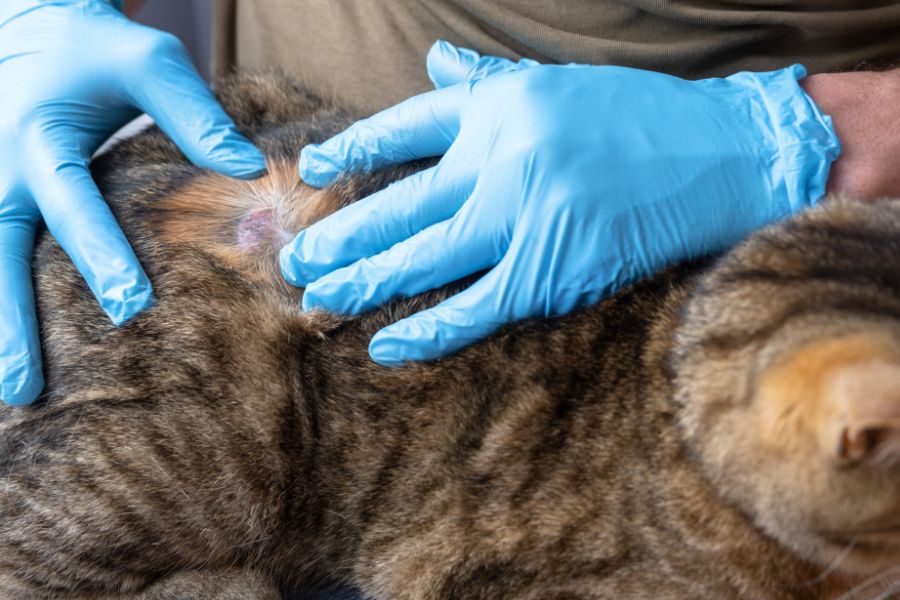
- Excessive scratching or biting at the skin. Fleas cause intense itching. Some pets develop flea allergy dermatitis, which causes red, inflamed skin even after just one bite.
- Small dark specks in the coat. Flea dirt looks like ground pepper. It turns red when wet, confirming the presence of fleas.
- Visible ticks attached to the skin. Check your pet after every outdoor walk, especially around the ears, between toes, and along the neck.
- Fatigue or exercise intolerance. In dogs with heartworm disease, reduced energy is often the first sign owners notice.
- Coughing or labored breathing. Advanced heartworm infection can cause a persistent cough and respiratory distress.
In our experience, pet owners often miss early flea infestations because they are looking for the bugs rather than the signs. Bring your pet in if anything seems off.
What to Expect When You Visit for Parasite Prevention
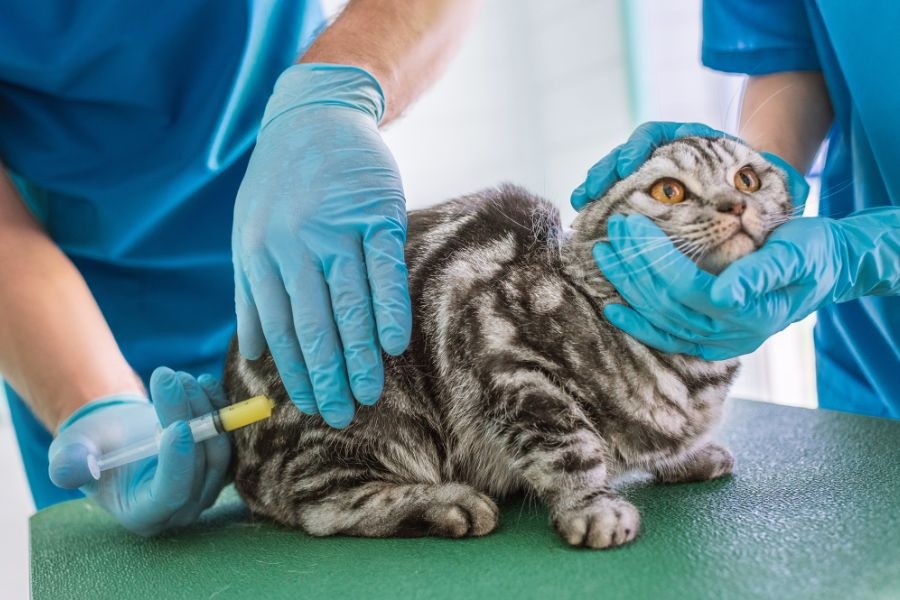
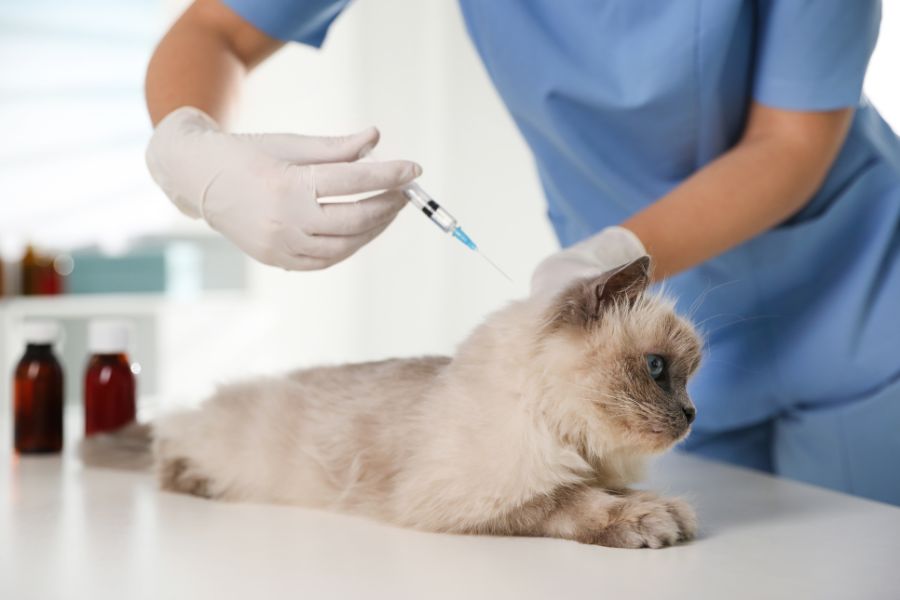
Year-round heartworm protection starts with a simple wellness visit. Before we prescribe or recommend any heartworm preventive, we perform a heartworm test. This blood test takes just a few minutes and confirms that your pet is heartworm-negative. Starting a preventive in a heartworm-positive dog without treatment can be dangerous.
Here is what a typical prevention visit looks like at our Prairie Village clinic:
- A full physical exam to check your pet’s overall health.
- A heartworm antigen test for dogs, or a discussion of feline heartworm risk for cat owners.
- A review of your pet’s current flea and tick prevention status.
- A recommendation for the right combination of preventives based on your pet’s age, weight, lifestyle, and risk level.
- A dispensing of prescription-strength prevention products and instructions for correct use.
We take time to explain each product so you understand what you are giving your pet and why. Flea treatment for dogs and cats is not one-size-fits-all. Your pet’s indoor or outdoor lifestyle matters. So does whether they interact with other animals.
How to Choose the Right Prevention Products
Not all prevention products work the same way. Some target only fleas. Others cover fleas, ticks, and heartworm in a single monthly dose. Choosing the right combination is where pet owners sometimes feel overwhelmed.
Flea treatment for dogs comes in many forms: topical spot-ons, oral chewables, collars, and sprays. Oral monthly chewables are popular because they eliminate the timing concerns that come with bathing after a topical application. For cats, options are more limited, but effective topical products do exist.
Pet parasite prevention tips from our team always include this reminder: never use a dog-labeled product on a cat. Some canine flea and tick products contain permethrin, which is toxic to cats. Always confirm the species label before applying anything.
The AVMA recommends year-round parasite prevention for all pets, noting that many parasites remain active outside their “expected” season. We frequently remind our clients that using a prevention product correctly and consistently is more important than which specific brand you choose.
Protecting Your Pet Between Vet Visits
Prevention does not stop at the pharmacy. There are practical steps you can take at home to reduce your pet’s parasite exposure between visits.
- Mow your lawn regularly. Ticks prefer tall grass and shaded, leaf-covered areas. Keeping grass short reduces the habitat available to them.
- Wash pet bedding weekly. Flea eggs and larvae hide in fabric. Hot water washing eliminates them at the source.
- Check your pet after outdoor time. Run your fingers through the coat, especially in tick-prone areas like the ears, neck, and belly.
- Keep prevention products on a schedule. Set a monthly phone reminder so you never miss a dose.
- Schedule heartworm prevention vet visits annually. Annual testing ensures your pet is protected and helps us catch any problems before they progress.
One of the most common questions we get from pet owners is whether their indoor cat really needs parasite prevention. The answer is yes. Fleas can hitchhike indoors on shoes, pant legs, and bags. Mosquitoes enter homes through open doors and windows. No pet is fully sheltered from risk.
Conclusion
Flea tick prevention for pets is one of the most effective things you can do to protect your animal’s long-term health. In Prairie Village and across the Kansas City metro, parasite season stretches well beyond summer. Consistent, year-round protection prevents suffering, avoids expensive treatments, and gives your pet the best chance at a long and healthy life. The right products, used correctly and on schedule, make all the difference. If you are unsure what your pet currently needs, a short wellness visit will give you complete clarity. Our team is here to make prevention simple, effective, and tailored to your pet’s life. Book an appointment today.
Frequently Asked Questions
Does my dog really need heartworm prevention in winter?
Ans: Yes. Mosquitoes in Kansas and Missouri can remain active on mild winter days. Heartworm larvae are transmitted through a single mosquito bite, so a brief warm spell is enough to create risk. The American Heartworm Society recommends year-round prevention for all dogs, regardless of season.
How often should my pet be tested for heartworm?
Ans: Dogs should be tested annually, even when on a consistent prevention schedule. Annual testing allows your vet to confirm the preventive is working and catch any early infection before it causes serious damage. Cats are not routinely tested, but should be on feline-specific heartworm prevention.
Can indoor cats get fleas or heartworm?
Ans: Yes. Fleas travel indoors on clothing, shoes, and bags. Mosquitoes enter through open doors and windows. Indoor cats are at lower risk than outdoor cats, but they are not risk-free. A feline-safe topical preventive is a wise investment for any cat.
What is flea dirt, and how do I find it?
Ans: Flea dirt is the fecal matter left behind by fleas. It looks like fine black or dark brown specks scattered through your pet’s coat, especially near the tail base. If you place a few specks on a damp white paper towel and they turn red, that confirms flea activity. This is a reliable way to detect fleas even before you see them.
What should I do if I find a tick on my pet?
Ans: Use fine-tipped tweezers to grasp the tick as close to the skin as possible. Pull upward with steady, even pressure. Do not twist or jerk. Place the tick in a sealed bag or container and bring it to your vet if possible. Monitor your pet for signs of tick-borne illness, such as lethargy, fever, or joint swelling, over the next few weeks and contact your vet with any concerns.