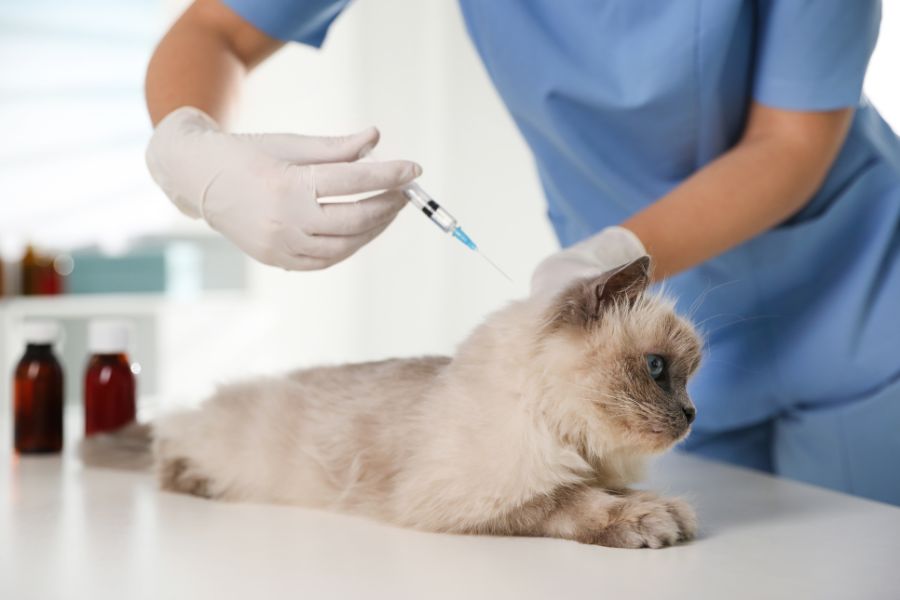


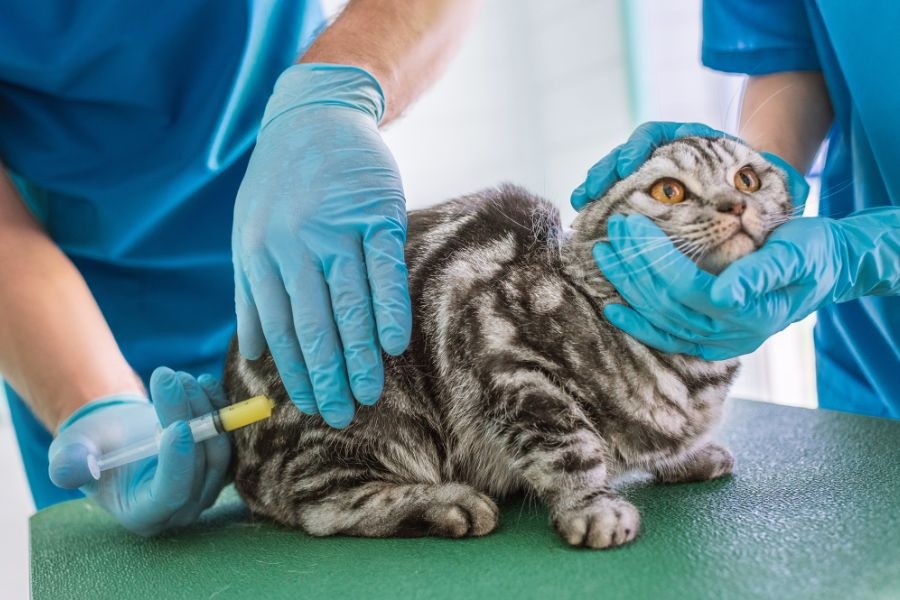
Pet owners ask us this question every single week. Dog and cat vaccines are one of the most important tools to keep pets healthy and protected from serious disease. Yet vaccination schedules can feel confusing, especially when your puppy or kitten seems fine, and you wonder if those follow-up visits are really necessary. The short answer is yes, they are. Vaccines do not last forever. Some require annual boosters. Others protect for three years. Your pet’s age, lifestyle, and overall health all play a role in what they need and when. In this guide, we will walk you through exactly how vaccination schedules work for dogs and cats, what to expect at each life stage, and why staying current on vaccines is one of the simplest things you can do for your pet’s long-term health.
Why Dog and Cat Vaccines Matter for Your Pet’s Health
Vaccines train your pet’s immune system to recognize and fight dangerous diseases before they cause harm. Without them, dogs and cats are vulnerable to illnesses that can be severe, expensive to treat, or even fatal.
Diseases like rabies, distemper, and parvovirus are still present in the environment. They do not disappear just because your pet stays mostly indoors. Even a brief exposure during a walk or a visit to the groomer can be enough.
According to the American Veterinary Medical Association (AVMA), vaccination is one of the most effective preventive health measures available for companion animals. Veterinary organizations consistently list vaccines as a cornerstone of responsible pet ownership.
In our experience, the pets most at risk are often the ones whose owners assumed they were protected but had simply fallen behind on boosters.
Understanding the Pet Vaccination Schedule by Life Stage
How often pets are vaccinated depends largely on where they are in life. Puppies and kittens need a series of early vaccines because their immune systems are still developing.
For puppies, core vaccines typically begin around 6 to 8 weeks of age and continue every 3 to 4 weeks until they reach 16 weeks old. This series builds protection gradually as maternal antibodies from the mother fade.
For kittens, the schedule is similar. Core vaccines start at 6 to 8 weeks and are given in a series through 16 weeks. This early series is critical for building lasting immunity.
After the initial puppy and kitten booster shots are complete, adult pets move to a maintenance schedule. Some vaccines are boosted annually. Others, like certain rabies vaccines, are approved for 3-year intervals depending on local regulations and the product used.
Senior pets still need vaccines. Immunity can weaken with age, and older dogs and cats can be just as vulnerable to preventable diseases as younger ones.
What Are Core Vaccines for Pets?
Not every vaccine is right for every pet. Veterinarians divide vaccines into two categories: core and non-core. Understanding the difference helps you have a more informed conversation with your vet.
Core vaccines for dogs include:
- Rabies: Required by law in most states, including Kansas. Given at 12 to 16 weeks, then boosted 1 year later, then every 1 to 3 years.
- DHPP (Distemper, Hepatitis, Parvovirus, Parainfluenza): A combination vaccine given in puppy series, then annually or every 3 years in adults.
Core vaccines for cats include:
- Rabies: Required in most municipalities. Given at 12 to 16 weeks, then boosted on a schedule recommended by your vet.
- FVRCP (Feline Viral Rhinotracheitis, Calicivirus, Panleukopenia): Given in kitten series, then every 1 to 3 years in adults.
Core vaccines for pets protect against diseases that are widespread, highly contagious, or pose a significant risk to human health. They are recommended for virtually every dog and cat, regardless of lifestyle.
Non-core vaccines, such as Bordetella for dogs or the feline leukemia vaccine for cats, are recommended based on your pet’s specific risk factors. A dog who visits dog parks or boarding facilities has different needs than one who rarely leaves the yard.
Pet owners often tell us they did not realize their cat needed vaccines at all if it lived indoors. Indoor cats still need rabies and FVRCP protection. Exposure risks exist even in a home environment.
How Often Should Adult Dogs and Cats Be Vaccinated?
This is the question that causes the most confusion, and it is a fair one. The answer depends on which vaccine you are talking about.
For most adult dogs and cats, core vaccines follow a schedule that looks like this:
- Puppy or kitten series completed by 16 weeks
- Booster at 1 year of age
- Subsequent boosters every 1 to 3 years, depending on the vaccine type, your pet’s health history, and local requirements
The AAHA Canine Vaccination Guidelines and the AAFP Feline Vaccination Guidelines both provide detailed schedules that veterinarians use as a foundation. Your vet tailors that foundation to your individual pet.
One common misconception we hear is that if a pet seems healthy, vaccines can be skipped. A pet who looks perfectly healthy can still be unprotected and at risk. Vaccine immunity is invisible. You cannot see it wearing off.
What to Expect at a Vaccine Visit
Bringing your pet in for vaccines is a straightforward process. Here is what happens when you visit an animal hospital in Prairie Village:
- Review your pet’s health history and current vaccination records.
- Your veterinarian performs a physical exam to confirm your pet is healthy enough to receive vaccines that day.
- Vaccines are administered, usually as a quick injection. Most pets tolerate them well.
- Note the date and type of each vaccine in your pet’s record and provide you with a written summary.
- Recommend a schedule for the next round of boosters before you leave.
Some pets experience mild soreness or fatigue for 24 to 48 hours after vaccines. Serious reactions are uncommon. If you notice swelling, vomiting, or difficulty breathing, contact us right away.
Conclusion
Keeping your pet up to date on dog and cat vaccines is one of the simplest, most effective ways to protect their health for years to come. Vaccines shield pets from serious diseases, support community health, and give pet owners real peace of mind. Whether you have a brand-new puppy, an adult cat, or a senior dog, there is a schedule that fits their needs. Do not wait until your pet shows signs of illness to think about prevention. Schedule a wellness visit, bring your vaccination records if you have them, and let us help you build a plan. The vet team at Mission Road Animal Clinic is here to guide Prairie Village pet owners every step of the way. Book an appointment today.
Frequently Asked Questions
At what age should puppies and kittens get their first vaccines?
Ans: Puppies and kittens should receive their first vaccines between 6 and 8 weeks of age. From there, boosters are given every 3 to 4 weeks until 16 weeks old. Starting on time gives your pet the best chance of building strong, lasting immunity.
Do indoor cats really need vaccines?
Ans: Yes. Indoor cats still need core vaccines, including rabies and FVRCP. Viruses can enter the home on clothing, shoes, or through windows and screens. Rabies is also required by law in most areas, regardless of whether your cat goes outside.
How do I know if my adult pet is overdue for vaccines?
Ans: Check your pet’s vaccination records from their last vet visit. If you are unsure when the last boosters were given, schedule a wellness exam. Your veterinarian can review the records, assess your pet’s immune status, and recommend what is needed to bring them current.
Can my pet have a reaction to vaccines?
Ans: Mild reactions such as soreness at the injection site or slight tiredness are normal and typically resolve within 24 to 48 hours. Severe reactions are rare but can occur. Watch for facial swelling, repeated vomiting, or labored breathing, and contact your veterinarian immediately if these occur.
What is the difference between core and non-core vaccines?
Ans: Core vaccines are recommended for every dog or cat because they protect against widespread or dangerous diseases. Non-core vaccines are given based on your pet’s lifestyle and individual risk factors. A dog who boards frequently or attends dog parks may need Bordetella, while a stay-at-home dog may not. Your vet will help you decide.