
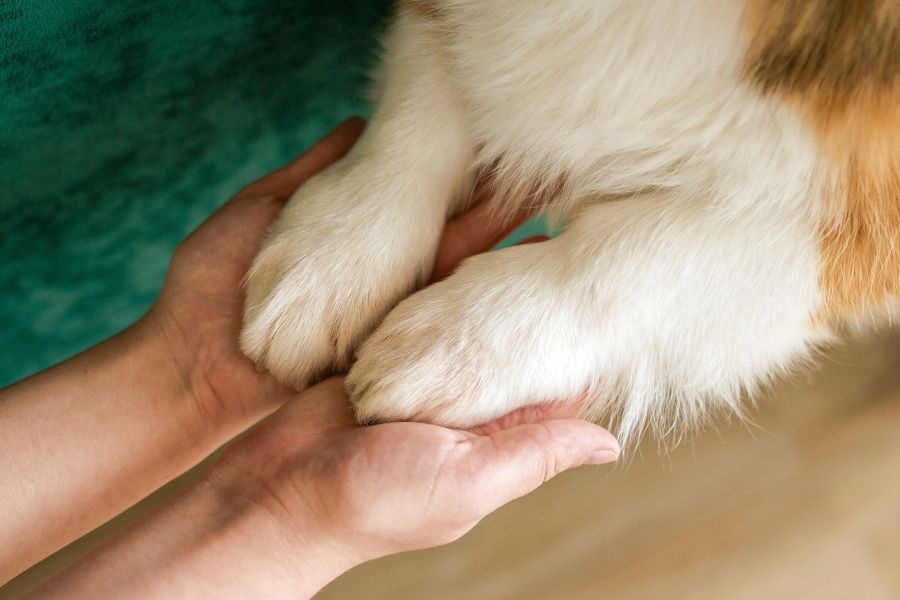
Your dog’s paws take a beating every summer. Hot pavement, dry grass, rough sidewalks, and intense Kansas heat combine to leave many dogs limping, licking, and in real pain by mid-July. Dog paw pad care is one of the most overlooked parts of warm-weather pet ownership. Most owners assume paw pads are tough enough to handle anything. The truth is, they are living tissue, and summer conditions stress them far beyond their normal limits. This article explains exactly what summer does to your dog’s feet, what warning signs to watch for, and how to protect those paws before damage becomes a vet visit. Whether your dog is a daily walker, a backyard explorer, or a trail companion, their feet deserve attention this season.
What Summer Heat Actually Does to Your Dog’s Paw Pads
Paw pads are made of thick, fatty tissue covered by a layer of tough skin. They absorb shock, regulate traction, and provide some insulation. But they are not heatproof. When your dog walks on asphalt or concrete in summer, the surface temperature is dramatically higher than the air temperature. On an 85-degree day, asphalt can reach 135 degrees or more. At those temperatures, tissue damage happens within seconds.
The damage shows up in several ways. Pads can blister, peel, or develop raw, red patches that look and feel like a burn. Prolonged exposure to hot or dry surfaces also pulls moisture from the pad tissue, leading to cracking that can split deep enough to bleed. Once the outer layer is compromised, bacteria and fungi can enter. In our experience, paw infections that start from a simple crack are more common in summer than most pet owners realize.
Kansas summers are particularly hard on dogs. Heat arrives early, and pavement holds it late into the evening. Even after sunset, concrete and asphalt that baked all day can stay dangerously warm. A quick evening walk can still cause cracked dog paws, a summer pet owner did not see coming.
Signs Your Dog’s Paws Are Damaged and Need Attention
Dogs are skilled at hiding discomfort, but paw damage usually produces visible and behavioral clues. Watch closely after walks and outdoor play.
- Limping or favoring one leg: Your dog may shift weight off a sore foot mid-walk or refuse to put full pressure on it after coming inside.
- Excessive licking or chewing at the feet: This is a clear signal that something is irritating the paw. Persistent licking can turn a minor issue into a wound.
- Visible redness, blistering, or peeling skin: Look at the bottom of the pad and between the toes. Blisters often appear as small raised pockets. Peeling is a sign the outer pad layer has already burned.
- Darkening or discoloration of the pad surface: Pads should be a consistent color. Unusually dark patches can indicate a burn or bruising.
- Reluctance to walk or go outside: Many dogs with sore paws in dogs will sit down mid-walk or resist leaving the house. This is not stubbornness. It is pain.
- Bleeding or open cracks: Deep cracks that open up bleed easily and are at high risk for infection.
If you notice any of these signs, contact your veterinarian promptly. Pet owners often tell us they waited several days after spotting these signs, hoping the issue would resolve. A cracked or burned pad that goes untreated can develop a serious infection that requires more intensive care.
What Temperature Burns a Dog’s Paws?
Pavement temperatures above 125 degrees Fahrenheit can burn a dog’s paw pads in under a minute. On a sunny 90-degree day, blacktop surfaces commonly exceed 150 degrees. A simple test: place the back of your hand on the pavement for seven seconds. If you cannot hold it there comfortably, the surface is too hot for your dog’s feet. This rule applies to sidewalks, parking lots, and artificial turf, which can heat up even faster than asphalt.
Early morning and late evening walks are the safest option during peak summer months. Aim for outings before 9 a.m. or after 7 p.m. when pavement temperatures have dropped. Grassy routes are a safer choice than paved paths on hot days. Dog shoes or boots are a practical solution for dogs who must walk on hot surfaces, and many dogs adjust to wearing them within a few sessions.
How to Treat Burned or Cracked Paws at Home and When to See a Vet
Minor paw irritation can sometimes be managed at home, but there is a clear line between a surface issue and one that needs professional care. For mild redness or surface dryness, rinse the paw gently with cool water and dry it thoroughly. Pet-safe paw balms made with natural waxes or shea butter can help restore moisture to mildly cracked dog paws in summer heat. Keep your dog from licking the area by using a cone or protective sock while the skin heals.
Never apply human hand lotion, hydrogen peroxide, or tea tree oil to your dog’s paws. Several common household products are toxic to dogs when licked, and many slow healing rather than help it. Your vet will recommend the correct product based on your dog’s specific condition.
Veterinary care is needed when you see blisters, deep cracks, bleeding, swelling, or discharge. Burned dog paw pads with broken skin can become infected quickly. Treatment may include cleaning the wound, applying prescription topical medication, bandaging, and, in some cases oral antibiotics. The AVMA recommends keeping dogs off all hot, rough, or chemically treated surfaces until the pads have fully healed. Healing can take one to three weeks, depending on the severity of the damage.
According to accepted veterinary guidelines, paw pad burns are among the most preventable summertime injuries in dogs. Most cases seen in clinical practice follow the same pattern: a well-meaning walk on a hot afternoon with no pavement check beforehand.
Dog Paw Protection Tips to Prevent Summer Damage
Prevention is far easier than treatment. A few simple habits protect your dog’s feet through even the hottest months.
- Check the pavement before every walk. Use the seven-second hand test before your dog steps out. If it is too hot for your hand, it is too hot for their paws.
- Walk during cooler hours. Morning walks before 9 a.m. are ideal in Prairie Village. Evenings after 7 p.m. are safer than afternoon outings.
- Use protective boots or paw wax. Boots provide a barrier against heat, rough gravel, and chemicals. Paw wax creates a protective film for dogs who resist wearing footwear.
- Moisturize pads regularly. Use a vet-approved paw balm once or twice a week throughout summer. This keeps pads supple and less likely to crack under heat stress.
- Rinse paws after every outdoor outing. Sidewalks and grass hold fertilizers, herbicides, and road chemicals that irritate the skin over time. A quick rinse and dry prevents buildup.
One of the most common questions we get is whether paw wax actually works. It does provide a meaningful layer of protection, but it is not a substitute for avoiding hot surfaces altogether. Dog paw protection tips like wax and boots, complement good timing; they do not replace it. Mission Road Animal Clinic recommends starting a paw care routine at the beginning of summer, not after the first burn.
Conclusion
Summer paw damage is painful, preventable, and more common than most dog owners expect. Burned dog paw pads can develop quickly on hot pavement and take weeks to fully heal. Cracking, blistering, and infection are real risks every time your dog walks on a hot or rough surface without protection. Good dog paw pad care means checking surfaces before walks, using protective products, and knowing when home care is enough versus when your vet needs to step in. Your dog depends on healthy paws for every run, walk, and play session. Keep those paws in shape this season so summer stays fun. The team at Mission Road Animal Clinic is here to help if paw problems arise. Book an appointment today.
Frequently Asked Questions
Q: How do I know if my dog’s paws are burned from hot pavement?
Ans: Look for redness, blistering, peeling skin, or dark discoloration on the bottom of the pad. Your dog may also limp, lick at their feet constantly, or refuse to walk. These are signs the pad tissue has been damaged, and your vet should evaluate the injury.
Q: Can cracked dog paws heal on their own? Ans: Minor surface cracks with no bleeding can sometimes improve with rest and a vet-approved paw moisturizer. Deep cracks, bleeding, or any sign of infection require veterinary care. Leaving an open crack untreated increases the risk of bacterial infection.
Q: Are dog boots really necessary in summer?
Ans: Boots are one of the most effective ways to protect paws from hot surfaces, rough terrain, and outdoor chemicals. They are especially helpful for dogs who walk frequently on pavement during the summer months. Most dogs tolerate boots well once they are introduced gradually.
Q: What should I put on my dog’s sore paws at home?
Ans: Rinse with cool water, dry gently, and apply a vet-recommended paw balm if the skin is dry or mildly irritated. Never use hydrogen peroxide, tea tree oil, or human lotion, as these can be toxic or harmful when licked. If the paw looks blistered, bleeding, or infected, call your vet before applying anything.
Q: How long does it take for burned dog paw pads to heal?
Ans: Mild surface burns may improve within a few days with proper care and rest. More significant burns with blistering or broken skin typically take one to three weeks to heal fully. Your vet may recommend bandaging and activity restrictions to allow the tissue to recover without further injury.