
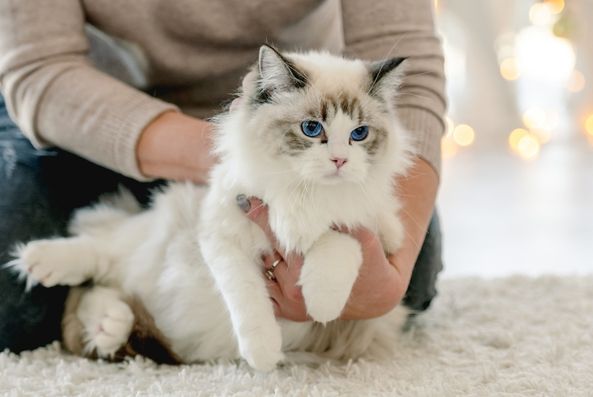
Some cats greet you at the door. Others curl up on your chest before you even sit down. If you have been searching for a feline companion that actually wants your company, breed matters more than most people realize. Not every cat is wired for closeness, but the most affectionate cat breeds are genuinely devoted to their people. They follow you room to room, purr on demand, and seem to know exactly when you need a warm body nearby. This guide covers the top 10 breeds known for their loyalty and love, what makes each one unique, and what you should know about keeping them healthy and happy for years to come.
Which Cat Breeds Are the Most Affectionate?
The most affectionate cat breeds include the Ragdoll, Maine Coon, Siamese, Burmese, Scottish Fold, Persian, Sphynx, Tonkinese, Birman, and Devon Rex. These breeds consistently seek human contact, thrive on interaction, and form strong bonds with their families. If companionship is your priority, any of these ten will deliver.
Why Some Cats Bond Closer Than Others
Not all cats are created equal in the affection department. Genetics play a significant role. Certain breeds were developed specifically to work alongside humans or to live as close companions in households, and that history shaped their temperament over generations.
Environment matters too. Cats raised with gentle handling from an early age tend to be more socially open. But even among well-socialized cats, some breeds simply have a stronger pull toward human connection built into their nature.
In our experience, the cats that come in most relaxed during wellness visits are often from these high-affection breeds. Their owners have usually built a strong daily bond, and that trust carries over into the clinic setting.
Roughly 85% of a cat’s personality is estimated to be influenced by breed and early socialization combined. That makes breed selection one of the most important decisions a new cat owner can make.
The Top 10 Most Affectionate Cat Breeds
1. Ragdoll
The Ragdoll lives up to its name. These cats go limp when held, relaxing completely in your arms. They follow their owners through the house and prefer to be wherever the people are. Ragdolls are gentle, calm, and rarely aggressive.
2. Maine Coon
Maine Coons are large, dog-like cats with an enormous capacity for loyalty. They are playful, curious, and deeply attached to their families. They rarely demand attention loudly but will always position themselves nearby.
3. Siamese
Siamese cats are vocal and emotionally intense. They want to be involved in everything you do. Pet owners often describe them as velcro cats. They thrive with interactive play and daily conversation.
4. Burmese
Burmese cats are often called the ultimate lap cat. They are compact, warm, and genuinely people-obsessed. They do not do well with long periods of solitude and prefer homes with consistent human presence.
5. Scottish Fold
Scottish Folds are calm, adaptable, and remarkably gentle. They bond closely with one or two primary people and tend to stay physically close throughout the day. Their quiet nature makes them excellent companions for calmer households.
6. Persian
Persians are devoted in a low-key way. They are not loud or demanding, but they will reliably seek out your lap every evening. They prefer peaceful environments and steady routines, which also makes them easier to care for long-term.
7. Sphynx
The Sphynx is one of the most human-focused cats in existence. Without fur to keep them warm, they gravitate toward body heat, which means they stay close to their owners almost constantly. They are playful, social, and surprisingly affectionate for a cat that looks so unconventional.
8. Tonkinese
Tonkinese cats are a cross between Siamese and Burmese, and they inherited the best of both. They are playful and social without being overwhelming. They adapt well to families and tend to get along with other pets.
9. Birman
Birmans are gentle, quiet companions with a natural talent for being present without being intrusive. They will sit beside you, follow you at a relaxed pace, and settle happily into a lap at the end of the day. They are excellent choices for first-time cat owners.
10. Devon Rex
Devon Rex cats are mischievous, warm, and highly interactive. They love to perch on shoulders, burrow under blankets, and stay as close to their person as possible. Their short, soft coat makes them feel almost velvet-like when they curl up against you.
What to Know Before Choosing One of These Breeds
Selecting a breed based on affection is a great starting point. But each of these cats also comes with specific health and care considerations you should understand before bringing one home.
Persians and Scottish Folds, for example, require more grooming attention and are prone to certain structural health issues that need monitoring. Siamese cats can be prone to dental problems and respiratory sensitivities. Sphynx cats need regular skin cleaning since they have no fur to absorb natural oils.
Pet owners often tell us they were caught off guard by breed-specific health needs. Knowing what to expect upfront makes a real difference in long-term outcomes.
Cats that live indoors and receive consistent veterinary care for cats live significantly longer on average than those without routine checkups. Scheduling wellness visits early and keeping vaccinations and parasite prevention current is the single most impactful thing you can do for a bonded cat’s health.
Are Lap Cat Breeds Good for Families With Children?
Many of these breeds do very well in family settings. Ragdolls, Maine Coons, Birmans, and Tonkinese are especially known for adapting well to children and other pets. They tend to be patient, even-tempered, and less prone to scratching when startled.
The best cats for companionship in family settings are those that were socialized with children and other animals from a young age. Breed sets the foundation, but early exposure shapes the outcome.
Avoid introducing a highly sensitive breed like a Persian or Siamese into a chaotic or loud household without careful planning. These cats bond deeply, but they are also more affected by stress and environmental disruption.
How to Keep an Affectionate Cat Happy and Healthy
Affectionate breeds need more than food and shelter. They need interaction. Here are four practical ways to meet the needs of cats that bond closely with their people:
- Set aside dedicated daily play sessions of at least 10 to 15 minutes. Interactive wand toys, puzzle feeders, and structured play channels their energy in a healthy direction.
- Provide multiple elevated resting spots near areas where you spend time. Cats that stay by your side need places to comfortably observe and rest without being underfoot.
- Keep their environment consistent. Affectionate breeds are often more sensitive to change. New furniture, schedules, or people can cause stress. Introduce changes gradually.
- Schedule wellness visits every 6 to 12 months. Many conditions in social, active cats are caught earlier during routine exams than in cats that are less interactive.
We frequently remind our clients that cats that love their owners closely are also more likely to show behavioral changes when something is physically wrong. Changes in how much a bonded cat seeks contact can be an early warning sign worth discussing with your vet.
Mission Road Animal Clinic works with cat owners to build a proactive care plan for each breed’s specific needs, so your cat stays comfortable and healthy through every life stage.
Conclusion
Choosing one of the most affectionate cat breeds means inviting a genuine companion into your home. These cats do not just tolerate your presence; they seek it. Whether you choose a Ragdoll that goes limp in your arms or a Devon Rex that claims your shoulder as its personal perch, the bond you build with an affectionate breed is one of the most rewarding parts of cat ownership. Routine checkups, consistent care, and a stable home environment give these loyal cats the best chance at a long, healthy life. Mission Road Animal Clinic is here to support you and your cat every step of the way. Book an appointment today.
Frequently Asked Questions
Q: What is the most affectionate cat breed for first-time owners?
Ans: The Ragdoll and Birman are two of the best choices for first-time cat owners. Both are gentle, adaptable, and naturally inclined to seek human closeness without being overwhelming or overly demanding.
Q: Do lap cat breeds do well when left alone during the day?
Ans: Most high-affection breeds do better with company. Burmese and Siamese cats in particular can develop stress-related behaviors if left alone for long periods. Consider adopting a bonded pair if you work long hours.
Q: Are male or female cats more affectionate?
Ans: Breed and individual personality tend to matter more than sex. That said, some owners report neutered males are slightly more consistently affectionate, while females can be more selective about when and how they bond.
Q: How do I know if my cat is truly bonded to me?
Ans: Signs of a strong bond include slow blinking, head bunting, following you between rooms, sleeping near or on you, and greeting you at the door. These behaviors indicate your cat feels safe and genuinely attached.
Q: When should I take my affectionate cat to the vet?
Ans: Routine wellness visits are recommended every 6 to 12 months for adult cats. Seek prompt veterinary attention if your usually affectionate cat becomes withdrawn, stops eating, hides more than normal, or shows any sudden change in behavior.