
A dog’s UTI (urinary tract infection) can quickly turn painful and serious if left untreated. Recognizing early UTI symptoms in your dog can help prevent complications and ensure faster recovery. In this guide, we’ll walk you through the most common warning signs, what causes a dog urinary tract infection, and when to seek veterinary diagnostic care.
What Is a Dog UTI and Why Early Detection Matters
A dog UTI occurs when bacteria enter the urinary tract, leading to infection in the bladder or urethra. This condition is also known as a dog bladder infection and is fairly common, especially in female dogs.
If untreated, a simple infection can spread to the kidneys, causing more serious health issues. That’s why recognizing early UTI symptoms is critical for your dog’s comfort and long-term health.
1. Frequent Urination (Even in Small Amounts)
One of the first signs of a dog urinary tract infection is frequent urination.
What to look for:
- Asking to go outside more often
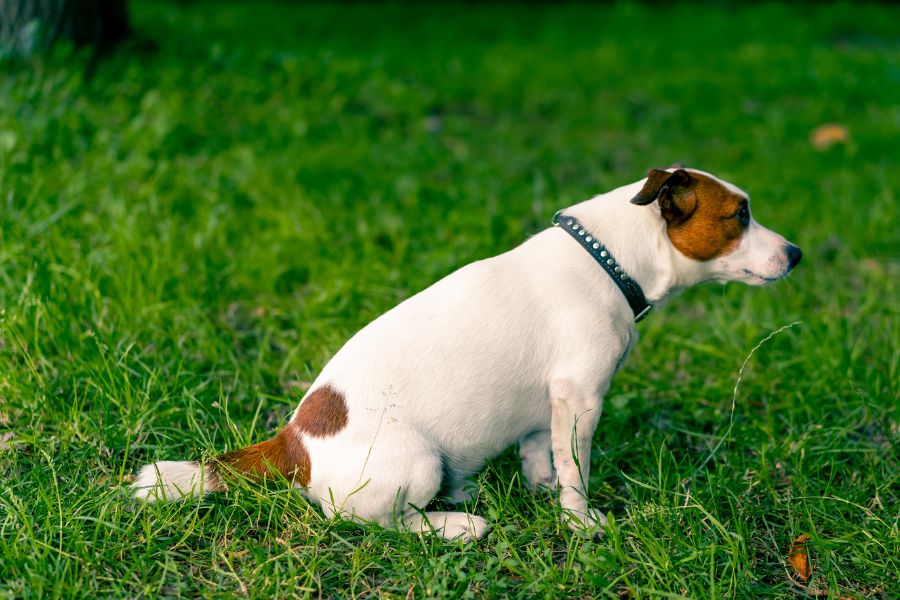
- Squatting multiple times during walks
- Passing only small amounts of urine
Dogs with UTIs feel the urge to urinate constantly, even when their bladder isn’t full.
Many pet owners notice this change during daily walks around neighborhood parks. If your dog suddenly needs more bathroom breaks, don’t ignore it.
2. Straining or Difficulty While Urinating
Straining is a key indicator of a dog’s bladder infection.
Signs include:
- Taking longer to urinate
- Whining or showing discomfort
- Pushing without producing much urine
This happens because inflammation irritates the urinary tract, causing painful urination. If your dog cannot urinate at all, it may be an emergency. Seek immediate veterinary care.
3. Blood in the Urine
Blood in urine is one of the more obvious UTI symptoms and should never be ignored.
You may notice:
- Pink or red-tinted urine
- Spots of blood where your dog urinated
- Strong, unusual urine odor
This occurs due to irritation and inflammation of the bladder lining.
Even a small amount of blood warrants a prompt diagnostic test, as it could also indicate bladder stones or other conditions.
4. Accidents Inside the House
If your house-trained dog suddenly starts having accidents, it could be due to a dog UTI.
Why does this happen?
- Loss of bladder control
- Increased urgency
- Pain causing incomplete urination
Dogs don’t do this intentionally—it’s often a sign they physically cannot hold their urine.
5. Excessive Licking of the Genital Area
Dogs naturally groom themselves, but excessive licking is a red flag.
Watch for:
- Constant licking of the urinary opening
- Irritated or red skin in the area
- Signs of discomfort
This behavior is your dog’s way of trying to soothe irritation caused by a dog urinary tract infection.
6. Changes in Behavior or Energy Levels
A dog bladder infection can affect more than just urination—it can impact overall behavior.
Common changes:
- Lethargy or low energy
- Loss of appetite
- Irrability or restlessness
When infection causes discomfort, your dog may seem “off” or less playful than usual.
Common Causes of Dog UTIs
Understanding the causes helps with prevention.
The most common triggers include:
- Bacterial infections (most frequent cause)
- Poor hygiene
- Weakened immune system
- Bladder stones
- Diabetes or other underlying conditions
Female dogs are more prone due to their shorter urethra, making it easier for bacteria to enter.
How Vets Diagnose a Dog UTI
Proper diagnostic care is essential for confirming a dog’s UTI and ruling out other conditions.
Your vet may perform:
- Urinalysis – checks for bacteria, blood, and crystals
- Urine culture – identifies the exact bacteria
- Blood tests – evaluate overall health
- Imaging (X-rays or ultrasound) – checks for stones or abnormalities
Early diagnosis ensures targeted treatment and faster recovery.
Treatment Options for Dog Urinary Tract Infections
Most dog urinary tract infections are treatable when caught early.
Common treatments include:
- Antibiotics – to eliminate bacteria
- Anti-inflammatory medications – to reduce discomfort
- Increased hydration – helps flush bacteria out
- Diet changes – for dogs prone to recurring infections
Always complete the full course of medication, even if symptoms improve.
How to Prevent UTIs in Dogs
Prevention plays a major role in your dog’s long-term health.
Practical tips:
- Provide constant access to fresh, clean water
- Take your dog out for regular bathroom breaks
- Maintain proper hygiene, especially in female dogs
- Schedule routine vet checkups
- Monitor for recurring dog UTI symptoms
Seasonal weather changes can sometimes affect hydration, so keep an eye on water intake year-round.
When Should You See a Vet?
Don’t wait if you notice any early signs of a dog’s UTI.
Seek veterinary care if:
- Symptoms last more than 24 hours
- You notice blood in dog’s urine
- Your dog seems in pain
- Urination stops completely
Early diagnostic care can prevent complications and reduce treatment time.
At Mission Road Animal Clinic in Prairie Village, timely evaluation and treatment can help your dog recover quickly and comfortably.
Conclusion
A dog urinary tract infection is common, but shouldn’t be taken lightly. Recognizing early UTI symptoms like frequent urination, straining, or behavioral changes can make all the difference. Prompt veterinary diagnostic care ensures accurate treatment and prevents serious complications.
If you are a dog owner in Prairie Village and notice any warning signs, don’t delay; early action keeps your dog healthy and pain-free. Schedule a checkup today and give your pet the care they deserve.
FAQs
Q1: What are the first signs of a dog’s UTI?
Early signs of a dog UTI include frequent urination, straining, and small urine amounts. Dogs may also lick excessively or have accidents indoors.
Q2: Can a dog’s UTI go away on its own?
No, most dog urinary tract infections require antibiotics. Without treatment, the infection can worsen and spread to the kidneys.
Q3: How long does it take for a dog’s UTI to heal?
With proper treatment, most UTIs improve within 7–14 days. Always complete the full medication course for effective recovery.
Q4: What causes recurrent UTIs in dogs?
Recurring dog bladder infections may be due to underlying issues like bladder stones, diabetes, or poor hygiene. A vet evaluation is necessary.
Q5: When should I take my dog to the vet for UTI symptoms?
Visit a vet if symptoms last over 24 hours, worsen, or include blood in urine. Early diagnosis prevents complications.