


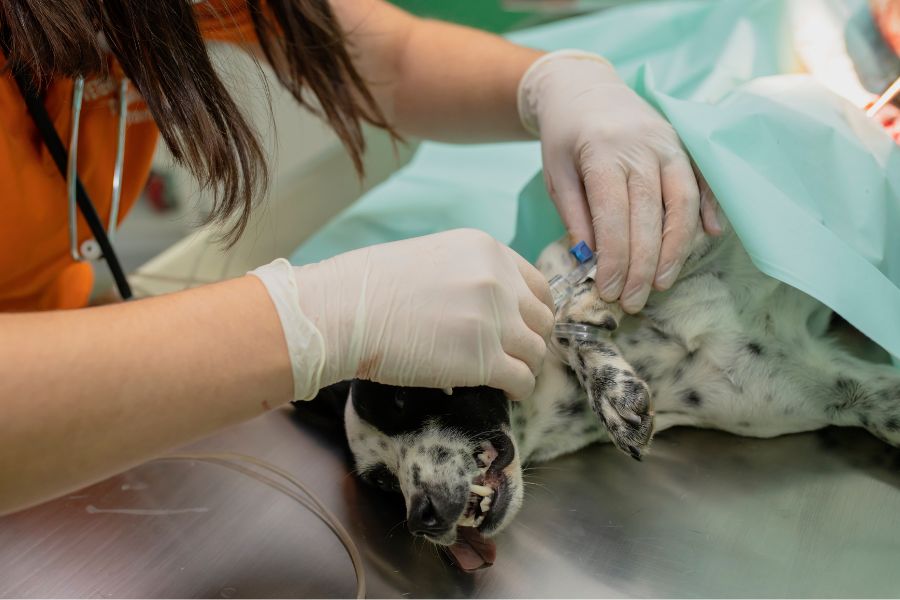
Keeping your pet healthy starts with regular pet care and consistent veterinary checkups. Whether you’re a first-time pet parent or looking to improve your current routine, understanding the value of routine vet visits for pets is essential. This complete guide explains what happens during a pet wellness exam, how often your pet needs checkups, signs your pet may need extra care, and how to make the most of every annual vet visit.
Why Regular Vet Care Matters for Every Pet
Routine veterinary care helps detect health issues early before they become serious or costly to treat. Pets can’t speak, so preventive care is the best way to monitor their well-being and ensure they live long, comfortable lives.
Key reasons regular vet care is essential include:
- Early detection of disease
- Prevention of parasites and infections
- Monitoring weight and behavioral changes
- Updating essential vaccinations
- Maintaining long-term health records
Consistent checkups help establish a health baseline, making it easier for a veterinarian to identify unusual changes later on.
What Happens During a Pet Wellness Exam?
A pet wellness exam is a comprehensive health check designed to evaluate your pet from nose to tail. It covers physical, behavioral, and preventive care needs.
Physical Health Assessment
Your vet examines:
- Skin and coat condition
- Eyes, nose, and ears
- Teeth and gums
- Heart and lungs
- Joints, muscles, and mobility
- Abdomen and internal organ function
These routine evaluations help detect early signs of illness such as ear infections, dental disease, allergies, or arthritis.
Weight & Nutrition Review
Maintaining a healthy weight is crucial for preventing diabetes, joint problems, and heart disease. Your vet will:
- Assess your pet’s body condition
- Discuss ideal nutrition
- Recommend diet adjustments if needed
Vaccinations and Preventive Care
Wellness visits usually include:
- Core and lifestyle-based vaccines
- Parasite preventatives (fleas, ticks, heartworm)
- Screening tests for parasites, infections, and diseases
Behavioral and Lifestyle Consultation
Your veterinarian may ask about:
- Activity level
- Behavior changes
- Socialization
- Stress triggers
- Environmental concerns (allergies, hazards, etc.)
This helps them make personalized recommendations that support your pet’s emotional and physical health.
How Often Should Pets Receive Routine Vet Visits?
The frequency of regular vet checkups depends on your pet’s age, breed, and health status. Here’s a general guideline:
Puppies and Kittens
Young pets require multiple visits during their first year:
- Vaccination boosters
- Parasite prevention
- Growth and development monitoring
- Spay/neuter discussion
Adult Pets (1–7 Years)
A healthy adult pet should receive:
- Annual vet visits
- Routine bloodwork and preventive screenings
- Behavior and lifestyle evaluations
Senior Pets (7+ Years)
Older pets should be seen twice a year because age-related issues can progress quickly.
These may include:
- Arthritis
- Kidney or liver disease
- Cognitive decline
- Vision or hearing changes
More frequent visits ensure early detection and prompt treatment.
Signs Your Pet May Need Extra Veterinary Attention
Even with regular wellness checks, some symptoms require immediate attention.
Contact your veterinarian if you notice:
- Sudden weight loss or gain
- Persistent vomiting or diarrhea
- Excessive thirst or urination
- Limping or difficulty moving
- Behavioral changes (aggression, hiding, lethargy)
- Unexplained lumps or bumps
- Breathing problems
- Appetite changes
Early intervention can prevent serious complications.
Preparing for Your Pet’s Annual Vet Visit
Proper preparation makes vet visits smoother and more productive.
Bring Helpful Information
- Food and treat brands
- Medication list
- Behavior notes
- Recent lifestyle changes
- Questions you want to ask
Reduce Stress Before the Appointment
- Use carriers or harnesses your pet finds comfortable
- Reward calm behavior with treats
- Take dogs on a short walk beforehand
- Give cats quiet, comfortable travel spaces
What to Expect After the Visit
Your vet may recommend:
- Follow-up visits
- Diagnostic tests
- Diet changes
- Updated vaccination schedules
- Preventive medications
Keep your pet’s health records organized to track progress over time.
Choosing the Right Veterinarian Near You
Finding a trustworthy veterinarian near you is key to maintaining your pet’s long-term wellbeing.
What to Look For in a Vet Clinic
- Experienced, licensed veterinarians
- Modern diagnostic equipment
- Preventive care and wellness programs
- Compassionate, friendly staff
- Clean, well-maintained facility
- Clear communication and transparent pricing
Why Preventive Care Saves Money
Routine exams may seem optional, but they reduce long-term costs by:
- Catching problems early
- Preventing emergencies
- Reducing complications
- Avoiding expensive treatments later
Proactive care means fewer surprises—and a healthier pet.
Benefits of Maintaining Regular Pet Care at Home
Vet visits are essential, but daily habits at home matter just as much.
Simple At-Home Wellness Habits
- Brush teeth regularly
- Maintain a balanced diet
- Provide daily exercise
- Monitor weight
- Groom and check skin weekly
- Keep vaccinations and preventatives up to date
- Create a safe, enriching environment
Integrating these small habits improves your pet’s quality of life and helps you notice early signs of health issues.
Conclusion
Staying consistent with regular vet care ensures your pet stays happy, healthy, and protected throughout every stage of life. From annual checkups to preventive screenings, routine veterinary care helps you catch issues early and support long-term wellness. If you are searching for trusted veterinary care in Prairie Village, Mission Road Animal Clinic provides dedicated, compassionate care to keep your pets thriving year-round.
FAQs
Q1: How often do pets need routine vet visits?
Ans: Healthy adult pets should have annual vet checkups, while seniors and young pets may need more frequent visits.
Q2: What is included in a pet wellness exam?
Ans: A wellness exam covers physical evaluation, vaccinations, parasite prevention, bloodwork, and behavior or lifestyle assessments.
Q3: Why are annual vet visits important for pets?
Ans: Annual exams help detect early signs of illness, maintain proper vaccination schedules, and support long-term health management.
Q4: How can I prepare my pet for a vet visit?
Ans: Bring medical history, track any behavior changes, use a comfortable carrier, and keep your pet calm with gentle reassurance.
Q5: What are signs my pet should see a veterinarian immediately?
Ans: Vomiting, diarrhea, breathing difficulty, sudden behavior changes, pain, or unexplained lumps should be checked by a veterinarian right away.