


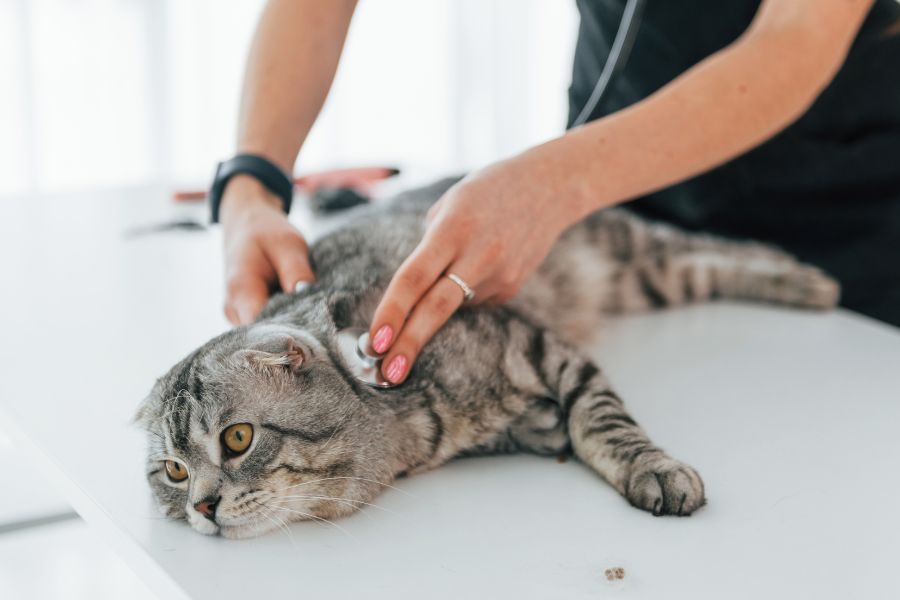
Pet massage therapy is more than just a relaxing treat — it’s a proven method to improve your pet’s physical and emotional health. From easing joint pain and stiffness in arthritic pets to calming anxiety and enhancing mobility, massage therapy offers natural healing support. This guide explores how pet massage works, its many benefits, and when to consider it for your furry friend.
What Is Pet Massage Therapy?
Pet massage therapy is a hands-on technique that involves gentle manipulation of muscles, joints, and soft tissues to promote relaxation, circulation, and healing. Just like in humans, massage can help relieve pain, reduce stress, and improve flexibility in animals.
Certified pet massage therapists use different techniques—such as effleurage (light stroking) and kneading—to address your pet’s unique needs, whether it’s chronic pain, stiffness, or emotional distress.
How Pet Massage Therapy Works
Massage therapy stimulates blood flow and lymphatic drainage, which helps the body remove toxins and deliver oxygen to tissues. It also releases endorphins — natural chemicals that reduce pain and promote happiness.
In pets, massage therapy helps by:
- Improving muscle tone and flexibility
- Supporting joint function and reducing stiffness
- Enhancing recovery after surgery or injury
- Lowering cortisol levels (the stress hormone)
- Promoting overall relaxation and comfort
Dog Massage Benefits for Arthritis Relief
Arthritis is one of the most common issues in senior pets, especially dogs. Over time, cartilage breaks down, leading to pain and inflammation in the joints. Pet massage therapy can help manage arthritis naturally.
Key benefits include:
- Reduced inflammation: Massage increases circulation, helping remove metabolic waste from affected joints.
- Pain relief: Gentle pressure stimulates endorphins, easing chronic discomfort.
- Improved mobility: Regular sessions can loosen tight muscles and improve joint flexibility.
- Better quality of life: Dogs often show renewed energy and interest in play after consistent massage therapy.
Pro tip: Combine massage with your vet’s recommended arthritis treatment plan for optimal results.
Pet Massage for Anxiety Relief
Anxiety is common in pets, especially those who’ve experienced trauma, loud environments, or separation stress. Massage therapy provides physical and emotional comfort through touch.
Benefits for anxious pets include:
- Lowered heart rate and blood pressure
- Increased trust and emotional bonding
- Calmer behavior during stressful situations (like thunderstorms or vet visits)
- Improved sleep quality
Tip: A relaxing environment—dim lighting, soft music, and calm energy—enhances the benefits of massage for anxious pets.
Enhancing Mobility Through Massage Therapy
Whether your pet is recovering from surgery, injury, or aging-related stiffness, massage therapy helps maintain and restore mobility.
Massage improves mobility by:
- Releasing muscle tension and knots
- Supporting balance and coordination
- Encouraging proper gait and posture
- Boosting joint lubrication through better blood flow
For senior pets or those in rehabilitation, massage complements physical therapy by keeping muscles active without overexertion.
When to Consider Pet Massage Therapy
Massage therapy can benefit most pets, but it’s especially helpful for:
- Older pets with arthritis or joint pain
- Dogs or cats recovering from surgery or injury
- Pets showing signs of stress or anxiety
- Active pets need muscle recovery after exercise
- Animals with limited mobility or stiffness
Always consult your veterinarian before starting massage therapy, especially if your pet has any chronic medical conditions or injuries.
How Often Should You Schedule Pet Massage Therapy?
The frequency depends on your pet’s age, health, and needs. Generally:
- For chronic pain or arthritis: 1–2 times per week initially, then every 2–4 weeks.
- For anxiety or stress relief, Weekly sessions can maintain emotional balance.
- For recovery or rehabilitation: Follow your vet’s or therapist’s specific schedule.
Consistency matters. Regular massages lead to long-term improvements in comfort, behavior, and mobility.
What to Expect During a Pet Massage Session
A professional pet massage therapist will start with a consultation to learn about your pet’s health, lifestyle, and areas of concern. Sessions usually last 30–60 minutes and may include:
- Gentle muscle manipulation
- Range-of-motion exercises
- Stretching
- Relaxation techniques
Your pet should never be forced into a session. Over time, most pets begin to enjoy and even anticipate their massages!
At-Home Pet Massage Tips
While professional therapy is ideal, you can incorporate a gentle massage at home:
- Find a calm space where your pet feels safe.
- Use gentle, slow strokes along the neck, back, and legs.
- Watch your pet’s reactions—if they pull away or tense up, stop.
- Keep sessions short, around 5–10 minutes.
- End on a positive note with praise or treats.
Avoid massaging directly over inflamed or injured areas.
Pet massage therapy offers more than comfort — it’s a holistic approach to improving your pet’s physical health and emotional well-being. Whether you’re managing arthritis, easing anxiety, or restoring mobility, massage therapy can make a world of difference.
Suppose you are conveniently located in Prairie Village and searching for the best pet massage therapy near me. In that case, Mission Road Animal Clinic is the right choice for compassionate, advanced, and reliable care.
FAQs:
Q1: Is pet massage therapy safe for all dogs and cats?
Ans: Yes, it’s safe for most pets, but always consult your veterinarian first, especially if your pet has an injury or chronic illness.
Q2: How soon will my pet show results after starting massage therapy?
Ans: Many pets show improvement in mobility and relaxation after 1–3 sessions, though chronic conditions may take longer.
Q3: Can I learn to massage my pet at home?
Ans: Yes, simple techniques can be taught by your vet or therapist for home use, but avoid deep pressure or complex stretches.
Q4: Does pet massage therapy replace veterinary treatment?
Ans: No. It’s a complementary therapy designed to support veterinary care, not replace it.
Q5: How much does professional pet massage therapy cost?
Ans: Costs vary by region and therapist, typically ranging from $40 to $100 per session. Regular packages often provide better value.
Related Articles
