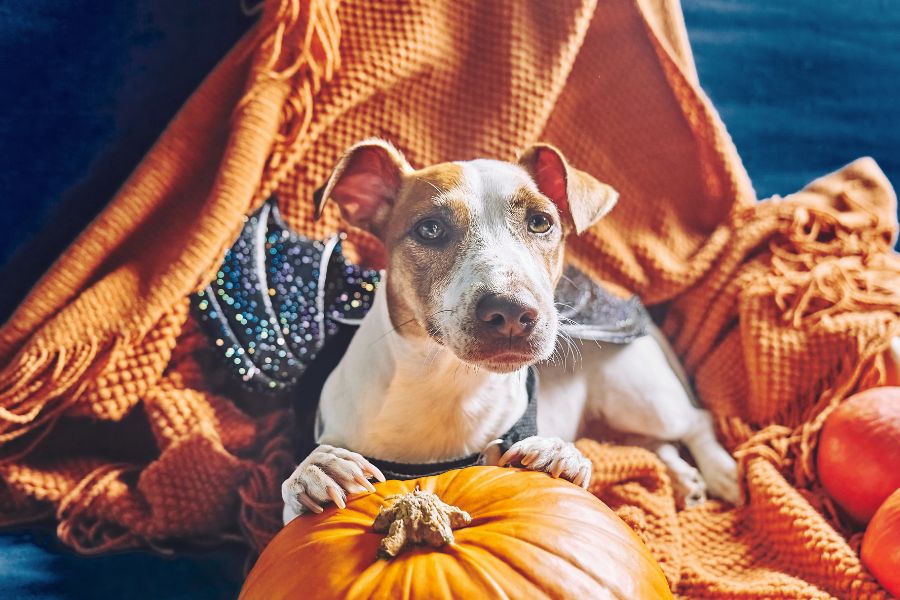



Every Halloween, the same preventable accidents happen in households across the country. A bag of trick-or-treat candy gets left within reach, a pet finds it, and what started as a festive evening becomes an urgent call to a veterinarian. Knowing which Halloween candies are toxic to dogs and cats are the most common and the most dangerous helps pet owners protect their animals with practical, specific knowledge instead of general warnings. Not all candy carries the same risk, and not every exposure requires the same level of response. This guide breaks down the seven specific candy types and categories that veterinarians see most often in October toxicity cases, what each one does to a pet’s body, and what to do the moment you suspect your dog or cat has eaten any of them.
7 Halloween Candies Most Dangerous for Dogs and Cats
Understanding the specific threat each candy poses helps you respond appropriately rather than either panicking over something low-risk or underestimating something serious.
1. Dark Chocolate and Baking Chocolate The most dangerous form of chocolate, dark chocolate contains the highest concentration of theobromine and caffeine, both of which dogs and cats process far more slowly than humans. Chocolate poisoning dogs cats symptoms include vomiting, diarrhea, restlessness, elevated heart rate, trembling, and in severe cases, seizures or cardiac events. Dark chocolate bars, cocoa-dusted truffles, and baking chocolate squares are all high-risk items. Even small amounts can cause significant toxicity in small breeds and cats.
2. Milk Chocolate and White Chocolate Lower in theobromine than dark varieties, but not safe. Milk chocolate Halloween bars, the most widely distributed candy on trick-or-treat nights, contain enough theobromine to cause illness in dogs and cats at sufficient quantities. White chocolate carries the least theobromine but can cause gastrointestinal upset and, in large amounts, may still pose risk. Chocolate poisoning dogs cats from milk chocolate is dose-dependent and body-weight-dependent, but no amount should be dismissed.
3. Sugar-Free Gummies and Candies Containing Xylitol This is the most underestimated item on the list. Xylitol in halloween candy risk is severe because the compound causes a rapid, dangerous insulin release in dogs, crashing blood sugar within 30 minutes of ingestion. Liver failure can follow within 24 to 72 hours even in dogs that initially appear to recover. Sugar-free gummies, fruit-flavored chews, and certain novelty candies in Halloween assortments often contain xylitol. It appears on ingredient labels under several names including xylitol, birch sugar, and wood alcohol. Always check.
4. Raisins and Raisin-Containing Candy or Trail Mix Packets Raisins and grapes are acutely toxic to both dogs and cats through a mechanism that is still not fully understood by veterinary science. What is known is that even small amounts can cause acute kidney failure in susceptible animals. Trail mix-style Halloween offerings, yogurt-covered raisins, and fruit-and-nut chocolate bars all fall into this category. The unpredictability of the toxic threshold makes any raisin ingestion a situation that requires veterinary contact without delay.
5. Macadamia Nut Chocolate and Candy Clusters Macadamia nuts cause weakness, hind limb paralysis, muscle tremors, vomiting, and elevated body temperature in dogs. Cats appear less commonly affected, but the data on feline macadamia toxicity is limited enough that caution is warranted. Chocolate-dipped macadamia clusters, macadamia nut brittle, and mixed nut Halloween assortments are the primary sources.
6. Hard Candies, Lollipops, and Jawbreakers These may not contain chemically toxic ingredients at normal sugar concentrations, but they are physical hazards. What candy can kill a dog in the physical rather than chemical sense includes large hard candies and jawbreakers that can become lodged in the throat of smaller breeds. Lollipop sticks are a common foreign body ingestion item in veterinary practices. Dogs and cats who swallow lollipop sticks can develop intestinal obstructions or punctures that require surgical intervention.
7. Candy Corn and Sugar-Concentrated Novelty Candies Candy corn and similar extremely sugar-dense Halloween sweets are not acutely toxic in the same way as chocolate or xylitol, but they cause significant gastrointestinal distress in dogs and cats. Vomiting, diarrhea, bloating, and abdominal discomfort are the typical outcomes. In large amounts, particularly in smaller pets, the sugar load can disrupt gut bacteria and produce symptoms lasting several days. In diabetic pets, even small amounts can create dangerous blood sugar instability.
Why These Candies Are Especially Dangerous During Halloween
The risk level on Halloween is higher than on a typical day not just because candy is present, but because of how it is present. Most dangerous Halloween candy pet encounters happen because of access, not intent. Treat bags dropped by the door, candy bowls on coffee tables, loose pieces from opened bags on the couch, and the distraction of a busy evening all contribute to exposures that would not happen on an ordinary Tuesday.
The volume of candy in most households on Halloween is another factor. A dog that gets into a treat bag is not eating one piece. They are eating as many pieces as they can access before someone notices. Combined ingestion of several different candy types creates a more complex clinical picture than a single-substance exposure and can make treatment more complicated.
In Prairie Village, Kansas, Halloween draws high neighborhood participation, which means more activity at the front door, more opportunities for pets to slip past and access candy dropped outdoors, and more household distraction overall. Keeping pets in a secured space during peak trick-or-treating hours eliminates several of these access points at once.
Recognizing Symptoms Across Different Candy Toxins
Because different candy toxins produce different effects on different timelines, a working knowledge of the symptom families helps you assess what you’re dealing with while you wait for veterinary guidance.
Chocolate symptoms (appear within 1 to 4 hours): vomiting, diarrhea, muscle tremors, hyperactivity progressing to lethargy, elevated heart rate, and, in severe cases, seizures.
Xylitol symptoms (appear within 30 minutes for blood sugar effects; up to 72 hours for liver effects): Sudden weakness, vomiting, incoordination, collapse, pale or yellow gums
Raisin symptoms (may be delayed 12 to 24 hours): vomiting, decreased urination, lethargy, loss of appetite, abdominal pain
Macadamia nut symptoms (appear within 12 hours): Hind leg weakness, tremors, elevated temperature, vomiting
Physical obstruction symptoms (variable timeline): Gagging, repeated attempts to swallow, drooling, vomiting, loss of appetite, abdominal distension
If you notice any of these signs, contact your veterinarian promptly. The most important action is calling before symptoms fully develop, because treatment options narrow as the toxin is absorbed over time.
What to Do If Your Pet Eats Halloween Candy
Acting fast and acting correctly produces the best outcomes. Here is the step-by-step response.
- Do not panic, but act immediately. A calm owner makes better decisions and is better able to communicate clearly with a veterinarian.
- Identify the candy. Find the wrapper, check the ingredients list, and note the type and estimated quantity consumed.
- Record your pet’s weight. Toxic doses for most substances are calculated per kilogram of body weight. Having this number ready speeds up the triage process.
- Call your veterinarian or a pet poison hotline before any symptoms appear. Do not wait to see how your pet responds. Early intervention is always more effective than reactive treatment.
- Do not induce vomiting at home. Inducing vomiting is not appropriate for all toxins and can cause additional harm. Only do this if directly instructed by a veterinary professional and told the correct method.
- Bring the wrapper with you to the clinic. The ingredient list is the most important piece of information your veterinarian needs.
The vet team at Mission Road Animal Clinic has seen Halloween candy toxic to dogs and cats scenarios every season without exception. The cases that resolve quickly are always the ones where the pet owner called early. What candy can kill a dog or cause serious harm to a cat is real, but manageable when you know what you’re dealing with and get help before the situation progresses. Book an appointment today.
Frequently Asked Questions
Q: Which Halloween candy is the absolute most dangerous for dogs?
Ans: Dark chocolate and products containing xylitol are the most dangerous by toxicity profile. Dark chocolate poses severe cardiac and neurological risk in sufficient doses. Xylitol is dangerous in even small amounts, causing blood sugar collapse and potential liver failure. Both require immediate veterinary contact if ingestion is suspected.
Q: Can a dog die from eating Halloween candy?
Ans: Yes, in cases of significant dark chocolate, xylitol, or raisin ingestion without prompt treatment, the outcomes can be fatal. Veterinary treatment initiated early, before severe symptoms develop, dramatically improves survival and recovery rates. The key is not waiting to call your veterinarian.
Q: Is candy corn dangerous for dogs?
Ans: Candy corn is not acutely toxic in the way chocolate and xylitol are, but the high sugar concentration causes gastrointestinal distress including vomiting, diarrhea, and bloating. In diabetic dogs or very small dogs that consume large amounts, more serious effects can occur. Contact your veterinarian if your dog consumed a significant amount.
Q: How do I prevent my dog or cat from getting into Halloween candy?
Ans: Store all candy in sealed containers placed in a location your pet cannot access, including locked cabinets, high shelves, or secured pantries. Never leave treat bags near the front door. Brief guests and children about not sharing candy with pets. Place your pet in a secured room during peak trick-or-treating hours when front door activity creates distraction.
Q: Are there Halloween treats that are safe to give dogs and cats?
Ans: Yes. Plain cooked chicken or turkey, freeze-dried meat treats, commercial dog or cat treats from reputable brands, and plain canned pumpkin in small amounts are all appropriate options. Always check ingredient labels and keep portion sizes small. Avoid anything with added sugar, salt, seasoning, artificial sweeteners, or unknown additives.