


Most pet owners are surprised to learn that bad breath in their dog or cat is not just an unpleasant quirk. It is often the first signal of a serious health problem. Dental disease is one of the most common conditions seen in companion animals, and the early signs of dental disease are frequently missed until the damage is significant. By the time a pet is showing obvious discomfort, infection, or bone loss may already be present.
This article walks you through the earliest warning signs to watch for, what causes them, how veterinarians diagnose and treat dental disease, and what you can do at home to protect your pet. Catching these signs early can prevent pain, tooth loss, and expensive procedures down the road. Your pet cannot tell you their mouth hurts, so the responsibility falls on you to notice the clues.
What Are the Early Signs of Dental Disease in Dogs and Cats?
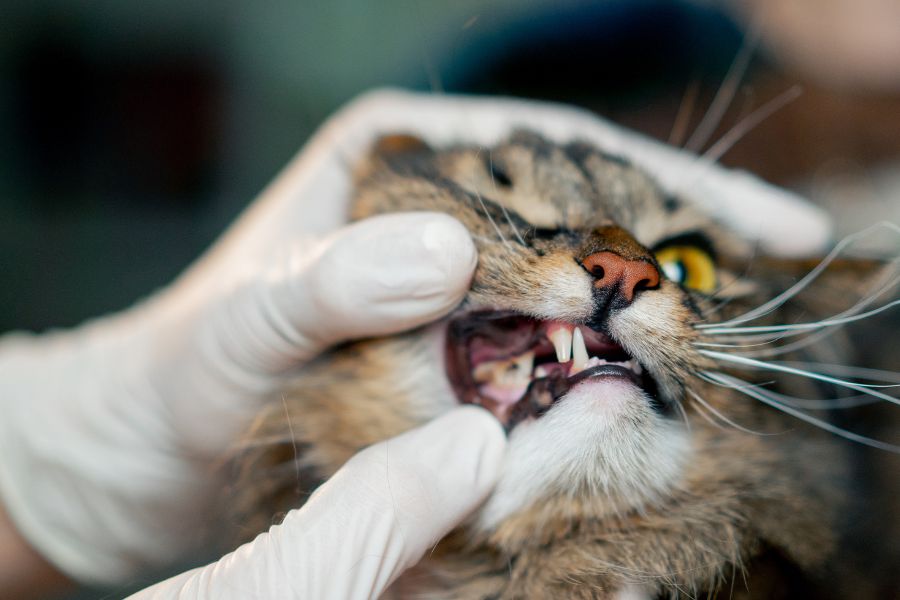
The earliest signs of dental disease appear long before a pet stops eating or shows visible pain. Watch for persistent bad breath that does not improve, yellow or brown buildup along the gumline, and red or swollen gum tissue. Excessive drooling, pawing at the mouth, and dropping food while eating are also red flags. If you notice any of these signs in your pet, contact your veterinarian promptly.
Dental disease progresses in stages. Stage 1 involves mild gum inflammation with no permanent damage. By Stage 4, bone loss and tooth destruction are underway. The American Veterinary Medical Association notes that dental disease is preventable in most cases when caught at an early stage.
Why Dog Bad Breath Is Never Normal
Pet owners often tell us they assumed bad breath was just part of having a dog or cat. In reality, healthy pets do not have consistently foul-smelling breath. Odor comes from bacteria in the mouth, and when bacteria accumulate into plaque and tartar, they begin attacking the gum tissue.
Dog bad breath causes are almost always rooted in oral bacteria buildup rather than diet alone. A dog that smells strongly even after drinking water is showing a warning sign worth investigating. In cats, the scent is often more subtle but just as significant. Persistent ammonia-like or fishy odors from a cat’s mouth can signal advanced plaque accumulation or kidney involvement.
The bacteria responsible for dental disease do not stay confined to the mouth. Research shows they can enter the bloodstream and affect the heart, kidneys, and liver over time. This is why treating early dog bad breath matters far beyond cosmetic concerns.
Recognizing Cat Dental Health Signs Before They Worsen
Cats are skilled at hiding discomfort, which makes cat dental health signs especially easy to miss. Most cats will continue eating even with significant oral pain because their survival instincts override showing vulnerability. By the time a cat refuses food, dental disease is usually advanced.
Watch for these cat dental health signs at home:
- Drooling more than usual: A cat that suddenly drools or has wet chin fur may be reacting to oral pain.
- Favoring one side while chewing: This often indicates a painful tooth on the avoided side.
- Chattering or jaw trembling: Seen especially with a painful condition called tooth resorption, which affects a high percentage of adult cats.
- Reduced grooming: Cats with mouth pain often groom less because opening the jaw is uncomfortable.
- Flinching during head touches: If your cat pulls away when you touch near the jaw, oral pain may be the reason.
In our experience, cats with dental disease are frequently misdiagnosed as just “getting older” or “becoming less social.” A pet dental exam often reveals the true source of the behavioral shift.
Understanding Pet Gum Disease Symptoms
Pet gum disease symptoms follow a predictable pattern that starts with inflammation and worsens with each stage. The clinical term is periodontal disease, and it affects an estimated 80% of dogs and 70% of cats by age three. That figure surprises most pet owners, but early onset is common even in young animals with no home dental care.
Stage 1 pet gum disease symptoms include red or puffy gum edges, light plaque on the teeth, and mild halitosis. The gums bleed easily when touched. At this stage, a professional cleaning can fully reverse the damage. Stage 2 and beyond involve deeper pocket formation between the tooth and gum, where bacteria embed and destroy the supporting structures.
One of the most common questions we get from pet owners is whether red gums are serious. The answer is yes. Healthy gum tissue is a firm, pale pink color. Bright red, swollen, or receding gums are always a reason to schedule a dental evaluation. Many pets seen at clinics in the Prairie Village, KS area present with Stage 2 or 3 disease that could have been treated at Stage 1 with earlier intervention.
The AAHA Dental Care Guidelines recommend annual dental exams for all dogs and cats beginning at age one, with professional cleanings as recommended by your veterinarian based on your pet’s individual risk factors.
How Pet Tooth Decay Warning Signs Lead to Diagnosis and Treatment
A thorough dental evaluation goes beyond what is visible to the naked eye. Veterinarians use dental probes to measure pocket depth around each tooth and dental X-rays to assess bone levels and root health beneath the gumline. Many cases of pet tooth decay, warning signs that look minor on the surface, reveal significant bone loss on radiographs.
Treatment is staged based on disease severity:
- Professional cleaning under anesthesia: Ultrasonic scaling removes plaque and tartar above and below the gumline. Anesthesia is required for a safe, thorough cleaning and allows full mouth X-rays.
- Tooth extraction: Teeth with advanced disease, root fractures, or severe bone loss are extracted. Most pets recover quickly and eat normally within days.
- Antibiotic therapy: Prescribed when an active infection is present. Your vet will determine the correct treatment approach based on your pet’s health history.
- Follow-up care plan: Includes a home care routine and scheduling of future cleanings based on your pet’s tartar buildup rate.
Pet owners in Prairie Village often worry about anesthesia risk. We frequently remind our clients that the risk of untreated dental disease, including systemic infection and organ damage, significantly outweighs the carefully managed risk of a professional dental procedure. Pets are thoroughly screened before every anesthetic procedure.
Mission Road Animal Clinic provides complete dental evaluations, digital dental X-rays, and professional cleanings for dogs and cats at all life stages.
Prevention and Home Care Tips
The best time to start dental care is before problems appear. A consistent routine reduces plaque buildup and extends the time between professional cleanings.
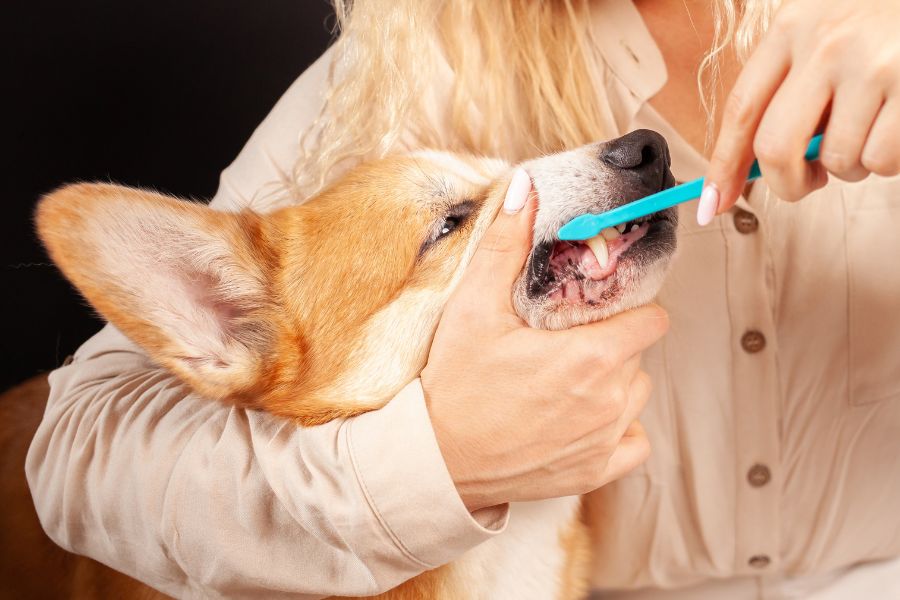
- Brush your pet’s teeth daily: Use a pet-safe toothpaste and a soft-bristled brush. Even brushing three times per week makes a meaningful difference.
- Offer veterinary-approved dental chews: Look for the VOHC (Veterinary Oral Health Council) seal, which confirms the product has been tested for effectiveness.
- Add a water additive: Several VOHC-approved options reduce oral bacteria with no effort beyond pouring it into the water bowl.
- Schedule annual dental exams: Professional evaluation catches problems your toothbrush cannot reach.
- Start young: Puppies and kittens introduced to tooth brushing early accept it far more readily than adult pets.
A common misconception is that dry kibble cleans teeth. In reality, most kibble shatters without meaningful contact with the gumline, providing very little dental benefit. The only products proven to reduce plaque carry the VOHC seal.
Conclusion
Dental disease is a slow, silent condition that causes real pain and real damage long before most pet owners realize anything is wrong. Watching for early signs of dental disease, such as red gums, persistent odor, and behavior changes, allows you to act before problems become serious. Home care reduces risk, but it does not replace professional evaluation. Catching disease at Stage 1 protects your pet from pain, tooth loss, and long-term health complications.
The team at Mission Road Animal Clinic is here to help you keep your pet’s mouth healthy at every age. Book an appointment today.
Frequently Asked Questions
Q: What are the first signs of dental disease in dogs?
Ans: The earliest signs include persistent bad breath, yellow or brown buildup along the gumline, and red or swollen gum tissue. Dropping food while eating or pawing at the mouth are also early warning signs that warrant a veterinary dental exam.
Q: How do I know if my cat has dental pain?
Ans: Cats hide pain well, but signs include reduced grooming, drooling, favoring one side while chewing, flinching when touched near the jaw, and changes in social behavior. A veterinary exam is the most reliable way to assess oral health in cats.
Q: Can dental disease in pets affect their overall health?
Ans: Yes. Oral bacteria from advanced dental disease can enter the bloodstream and contribute to heart, kidney, and liver problems. This is one of the key reasons veterinarians recommend treating dental disease early rather than waiting for visible symptoms.
Q: How often should dogs and cats have professional dental cleanings?
Ans: The AAHA recommends annual dental exams starting at age one. Cleaning frequency varies by individual animal. Some pets need a professional cleaning every year, while others may go longer depending on their rate of tartar buildup and home care routine.
Q: Is it safe to brush my cat’s teeth at home?
Ans: Yes, brushing is the most effective home care option and is safe when done with a pet-safe toothpaste. Never use human toothpaste, as it contains ingredients toxic to cats. Starting slowly with finger brushing and building to a soft-bristled brush helps most cats accept the routine.