
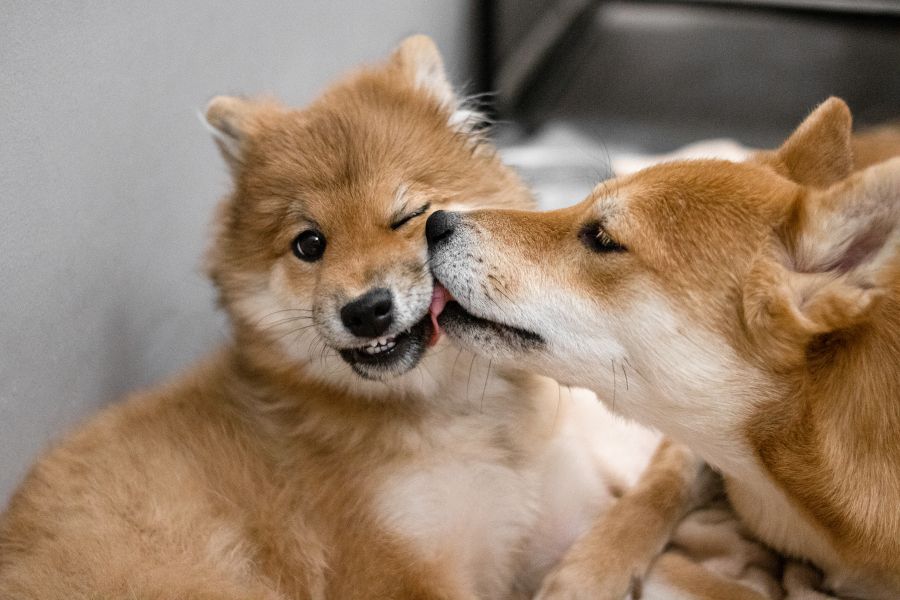
You might notice your dog licking sometimes when they are happy, nervous, bored, or just showing how they feel. A quick lick on your hand or an occasional paw clean is an expected behavior that shows affection. However, sometimes they might lick constantly, making it difficult to stop. Knowing what causes your dog to lick can help you figure out whether it’s something to worry about.
Understanding Why Dogs Lick
Dogs use their sense of taste and smell to explore the world around them. They lick their fur to clean themselves, lick humans to get attention, and lick surfaces when they are curious about food smells. If your dog keeps licking one spot for a long time or you see it licking its paws, legs, toys, floors, or even your skin repeatedly, it could be a sign of discomfort, pain, or emotional stress.
Normal licking usually happens occasionally and is easy to redirect. However, if you notice your dog’s excessive licking becoming more frequent or more intense, or occurring while your dog is resting, stressed, or bored, it’s important to pay closer attention. Behavioral patterns can change as your dog ages or due to weather or environmental factors. By observing when the licking starts, identifying what triggers it, and noting how long it lasts, you can better understand the cause.
Common Health-Related Causes
Excessive licking can indicate irritation or discomfort. Dogs often self-soothe physically by licking itchy or painful areas. The most common physical triggers include:
- Environmental or food allergies
- Flea or tick bites
- Dry skin caused by climate shifts
- Pain in joints or paws
- Hot spots or skin inflammation
- Anal gland discomfort
- Gastrointestinal upset, nausea, or acid reflux
Allergy symptoms such as itching can be caused by grass, pollen, dust, or certain foods. You might notice your dog licking its paws as an initial response. If these symptoms occur every spring or seem to worsen after your dog eats, it’s a good idea to seek medical help. Licking can also lead to skin infections if it damages your dog’s fur or skin, creating an environment for bacteria or yeast to grow.
- If you notice excessive dog licking on a sore spot, especially if your dog is older or has been active recently, it might be trying to soothe itself. Dogs do this when they need relief from joint discomfort or after exercise.
- If your dog licks its joints as it slows down on a walk, it may be signaling discomfort.
- If you see your dog lip-licking, pawing, or air-licking, it might be related to dental pain or mouth issues.
Behavioral and Emotional Triggers
Some dogs tend to lick objects or themselves due to boredom, anxiety, or simply out of habit. When dogs lick, they release endorphins that help them feel calmer, at least for a little while. If your dog isn’t getting enough exercise or mental stimulation, it might lick as a way to pass the time or seek comfort. Separation anxiety can also cause licking, especially when you leave the house or change routines unexpectedly.
Having a daily routine is vital for your dog’s mental health. If their activity schedule changes a lot or they don’t get enough playtime and engaging activities, they might start doing the same things over and over. Using toys for chewing, training, and puzzle feeders can help keep their minds busy. Spending time with your dog and keeping their daily routine predictable can also help them feel calmer and less anxious over time.
Determining whether your dog’s excessive licking is caused by anxiety or physical irritation requires careful observation of the situation. If your dog mostly licks when alone or at night, they might need emotional support, more exercise, or calming activities to help reduce their stress.
When Licking Becomes Concerning
Licking can become a problem when it interferes with your daily routine, causes skin damage, or indicates discomfort. Watch for signs like raw skin, thinning fur, open sores, limping, swelling, or a bad smell. If you notice your dog frequently licking the rear area, it may be uncomfortable due to anal gland issues. When they lick walls, floors, or objects after meals, it might mean their stomach isn’t feeling right.
Medical evaluation helps you determine whether your dog needs skin treatment, allergy care, pain relief, dietary changes, or support for anxiety. When the underlying cause is addressed, their behavior typically returns to normal.
Managing Licking at Home
Taking care of your dog at home is all about making them comfortable, keeping a routine, and preventing issues before they start. When you bathe your dog, use a gentle shampoo, and clean their paws after walks outside to remove dirt and irritants. It’s also essential to maintain a consistent feeding schedule to help prevent diet-related digestive problems.
Functional home approaches include:
- Daily exercise and engagement
- Slow-feeder bowls or puzzle games
- Safe chew toys for oral stimulation
- Calm routines during separation
- Regular grooming and paw checks
Redirecting your dog’s behavior early helps prevent it from becoming worse. If your dog starts licking, try offering a toy, beginning training sessions, or leading them into some exercise. Focus on rewarding your dog when they stay calm and use alternatives to punishment for licking. If your dog keeps licking over time, your nearest veterinarian might recommend allergy testing, medication, or digestive support. If anxiety causes the licking, establishing routines, practicing desensitization, or using calming aids can be helpful. Supporting your dog early on can prevent infections and make them more comfortable.
Healthy Outcomes With Support
It’s normal for a dog to lick occasionally out of affection or to keep clean. However, if you notice your dog licking a lot, doing it very intensely, or seeming uncomfortable, it’s time to pay closer attention. Watch when the licking starts, how often it occurs, and which areas are affected. This can help you decide whether to seek medical help or consider emotional reasons.
Taking the proper steps can help reduce excessive licking, making your dog more comfortable and improving its quality of life. The goal isn’t to stop your dog from licking, but to keep it balanced and healthy.
Get Help for Excessive Dog Licking
Dogs show what they’re feeling through their actions, and licking is one way they do this. Knowing why your dog is licking can help prevent discomfort and keep them healthy. If you notice your dog licking a lot and are unsure why, contact Mission Road Animal Clinic in Prairie Village, KS.
FAQs
1. Is licking constantly a problem?
Ans: Not always. Occasional licking is a regular grooming and bonding behavior. It becomes a concern when it’s persistent, creates sores, disrupts rest, or worsens over time. Identifying what triggers the behavior prevents infection and discomfort.
2. Can allergies cause licking?
Ans: Yes. Environmental and food allergies often trigger paw and skin licking. Dogs may react to pollen, grass, dust, or food ingredients. If symptoms occur seasonally or after meals, allergy evaluation can help determine treatment.
3. Why does my dog lick paws at night?
Ans: Nighttime paw licking may be linked to allergies, dry skin, boredom, or anxiety. When the home is quiet, dogs often focus more on irritation. Redirecting with toys or enrichment can help, but a medical evaluation is recommended if it becomes nightly.
4. Does anxiety lead to licking?
Ans: Anxiety triggers self-soothing behaviors. Licking releases endorphins that calm the nervous system temporarily. Dogs experiencing separation anxiety, routine changes, or a lack of stimulation may lick themselves or objects to relieve their emotions.
5. What if licking creates wounds?
Ans: Open, red, or swollen skin needs attention quickly. Continuous licking removes fur and damages the barrier, allowing infection to develop. Vet treatment may include infection control, anti-itch support, or pain relief, depending on the cause.