


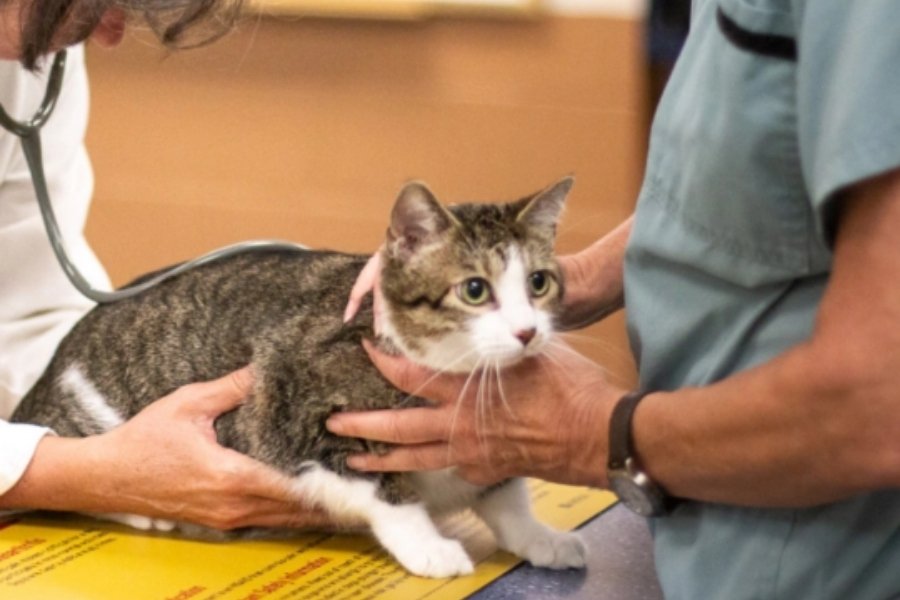
Our pets cannot tell us when something feels wrong, which makes diagnostic testing an essential part of veterinary medicine. These tests uncover hidden health problems, confirm suspected conditions, and allow timely treatment. With the expertise of a Prairie Village veterinarian, diagnostic care gives you peace of mind while helping your furry companion live a longer, healthier life.
Why Diagnostic Care Matters in Pets
Unlike humans, dogs and cats often mask signs of illness until they are quite advanced. This survival instinct can make detection tricky for pet owners. However, routine diagnostics performed at an animal hospital help uncover problems early. Whether it’s monitoring senior pets, managing chronic diseases, or checking unexplained symptoms, pet diagnostic care professionals rely on ensures no detail is overlooked.
Bloodwork: Unlocking Internal Insights
Blood tests are among the most common diagnostic tools in pet clinics. They provide valuable information about organ function, infection, blood sugar, and hormone levels. For example:
- Complete Blood Count (CBC): Checks for anemia, infection, and immune health.
- Chemistry Panel: Evaluates organs such as the liver and kidneys.
- Thyroid Tests: Detect hormonal imbalances that often cause weight or energy changes.
By performing these tests, a Prairie Village veterinarian can diagnose conditions long before symptoms show.
Urinalysis: What Pet Urine Tells Us
Urine samples offer another window into your pet’s health. A simple urinalysis can detect urinary tract infections, kidney disease, or diabetes. Since pets may struggle with these conditions silently, routine testing at an animal hospital helps prevent complications. Combined with bloodwork, urinalysis gives a complete picture of metabolic health.
Imaging: Seeing Beneath the Surface
Sometimes, answers lie deeper than blood or urine results. In such cases, imaging tools like X-rays and ultrasounds provide detailed pictures of your pet’s insides.
- X-Rays: Useful for detecting fractures, arthritis, foreign objects, or tumors.
- Ultrasounds: Show soft tissue details in organs like the liver, bladder, and heart.
Imaging helps remove guesswork, guiding precise treatment plans from pet diagnostic care Prairie Village experts.
Fecal Exams: Detecting Parasites Early
Though less glamorous, fecal exams play a crucial role in pet health. By testing stool samples, veterinarians identify internal parasites such as hookworms, roundworms, or Giardia. These parasites often affect energy levels, digestion, and overall comfort. Regular fecal tests with a trusted veterinarian ensure your pet stays parasite-free.
Specialty Diagnostic Tests
For certain breeds or health histories, advanced tests may be needed:
- Heartworm Testing: Essential for dogs in regions where mosquitoes are common.
- Allergy Testing: Identifies triggers for chronic itching or skin conditions.
- Biopsies or Cytology: Examines cells or tissues to check for infections, cancers, or growths.
These tests, provided at an animal hospital, ensure every health concern is addressed thoughtfully.
Preventative Role of Diagnostics
Diagnostics are not only for sick pets. They serve as preventive tools, especially during wellness visits. Pet diagnostic care veterinarians emphasize annual panels for adult pets and more frequent exams for seniors. By catching subtle changes early, preventative diagnostics minimize risks and allow longer, healthier lifespans for your pet.
The Human Side of Diagnostics
As pet parents, it’s natural to feel anxious when your veterinarian recommends tests. But remember, these diagnostics are an act of care, not alarm. They give you clear answers and allow your veterinarian to reassure you with facts rather than guesses. This approach deepens trust and creates stronger bonds between you, your pet, and your veterinary team.
Final Thoughts
Diagnostic tests are the unsung heroes of veterinary medicine. From blood panels to X-rays, these tools allow accurate treatment and proactive health management. Trusting an animal hospital and the expertise of a skilled Prairie Village veterinarian ensures your furry family member receives the best possible care. In the end, diagnostics don’t just reveal problems—they preserve joy, companionship, and years of love.
FAQs
1. What are the most common diagnostic tests for pets?
Ans. Bloodwork, urinalysis, imaging, and fecal exams are among the most common diagnostics performed by a Prairie Village vets.
2. How often should my pet have bloodwork done?
Ans. Generally, once a year for healthy adults. Senior pets or those with conditions may need more frequent testing at an animal hospital.
3. Are diagnostic tests painful for pets?
Ans. Most tests, such as blood draws or urinalysis, cause minimal discomfort. Imaging like X-rays is non-invasive.
4. Can diagnostic tests detect parasites?
Ans. Yes, fecal exams and blood tests detect internal and external parasites, preventing serious health issues.
5. Why are diagnostic tests part of preventive care?
Ans. Pet diagnostic care veterinarians recommend early testing to spot hidden diseases before symptoms appear, saving your pet from advanced illness.
6. How do I prepare my pet for diagnostic tests?
Ans. Some tests may require fasting, while others do not. Your veterinarian will give specific instructions before your visit.