


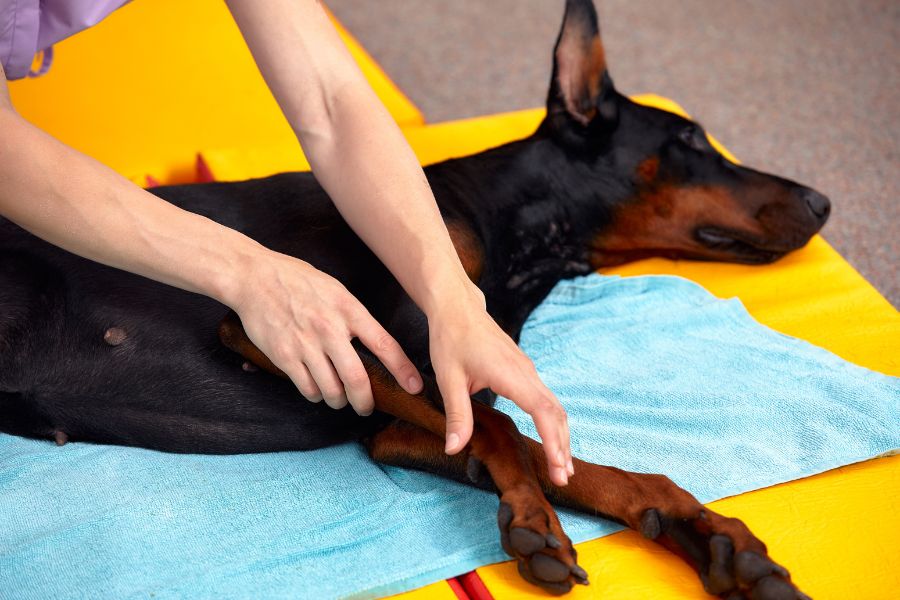
Your dog has been slower to get up in the mornings. Maybe they flinch when you touch their lower back. Or perhaps they just seem tense and anxious, even after a good walk. Many pet owners notice these changes but aren’t sure what to do. Canine massage therapy may be part of the answer. It is a structured, hands-on approach to supporting your dog’s physical and emotional well-being. Unlike a casual belly rub, therapeutic massage uses deliberate techniques to address muscle tightness, improve circulation, and reduce stress. Dogs of all ages can benefit, from energetic young athletes recovering after activity to senior dogs managing the aches of aging. In this guide, we explain how canine massage therapy works, what it can treat, and how to know if it might be right for your dog.
Understanding Canine Massage Therapy
Canine massage therapy is the application of deliberate, structured touch to a dog’s muscles, soft tissue, and joints. It is not a replacement for veterinary care. It is a complementary wellness tool used alongside conventional treatment.
Massage techniques used on dogs are adapted from human sports and therapeutic massage. Practitioners use methods like effleurage (long, gliding strokes), petrissage (kneading of muscle tissue), and trigger point release. Each technique serves a specific purpose, such as warming muscle tissue, breaking up adhesions, or calming the nervous system.
In our experience, many pet owners are surprised to learn that massage has real physiological effects on dogs. It increases blood flow to muscles, encourages lymphatic drainage, and triggers the release of endorphins. These are not minor effects. Over time, regular massage can meaningfully improve how a dog moves and feels.
The benefits of dog massage extend beyond physical relief. Touch itself has a calming effect on the nervous system. Dogs that experience chronic stress or anxiety often respond well to consistent, gentle massage sessions.
Signs Your Dog May Benefit From Massage
How do you know if your dog needs therapeutic support? There are several signs that canine massage therapy could help.
- Stiffness after rest. If your dog struggles to rise after lying down, muscle tension and reduced circulation may be contributing.
- Reluctance to exercise. A dog that used to love walks but now hangs back may be experiencing discomfort in muscles or joints.
- Visible muscle tightness. You may feel hard, ropey tissue or see a dog consistently holding one shoulder or hip at an unusual angle.
- Excessive licking or grooming of one spot. Dogs sometimes self-soothe over an area that aches by repeatedly licking it.
- Anxiety or hypervigilance. Dogs that startle easily or struggle to settle may benefit from the calming effects of structured touch.
- Post-surgical or post-injury recovery. Massage can support healing once your vet clears your dog for gentle physical therapy.
Pet owners often tell us they noticed something was “off” with their dog long before a diagnosis was made. If your dog is showing any of these signs, a conversation with your veterinarian is a good first step.
What Conditions Can Canine Massage Therapy Address?
Canine massage therapy is used to support dogs dealing with a range of conditions. It is not a cure, but it can make a meaningful difference in quality of life.
Musculoskeletal conditions are the most common reason dogs receive massage. Arthritis, hip dysplasia, and muscle strains all create tension and discomfort that massage can help ease. Dog muscle tension relief is one of the clearest, most immediate benefits owners observe after sessions.
Post-surgical recovery is another area where massage is frequently recommended. After orthopedic procedures, scar tissue can form and limit the range of motion. Gentle massage helps keep soft tissue pliable during healing. Always wait for your veterinarian’s clearance before beginning massage after surgery.
Anxiety and stress respond well to dog relaxation techniques grounded in therapeutic touch. Dogs with separation anxiety, noise phobias, or fear-based behaviors often show reduced reactivity with consistent massage. The AVMA recognizes integrative approaches, including massage, as part of a comprehensive wellness plan for dogs managing chronic stress.
Athletic dogs that compete in agility, flyball, or other sports also benefit from regular massage. It supports dog muscle tension relief before and after intense activity, helping prevent injury and speed recovery.
What to Expect During a Canine Massage Session
If you decide to pursue massage for your dog, knowing what to expect will help both of you feel more comfortable.
- Assessment. A certified canine massage therapist will first observe your dog’s posture, gait, and movement. They may ask about your dog’s health history, medications, and any known injuries.
- Warm-up strokes. Sessions typically begin with light, gliding strokes to warm the tissue and help your dog relax into the process.
- Targeted work. The therapist then addresses specific areas of concern using deeper techniques. Your dog’s comfort level guides the pressure and pace throughout.
- Cool-down. Sessions end with lighter strokes to bring the body back to a resting state.
- Aftercare guidance. You may receive recommendations for follow-up sessions, home care, or stretches to support the work done during the session.
Most sessions last between 30 and 60 minutes. Dogs often become noticeably calmer by mid-session. Some will fall asleep. A few, especially anxious dogs, may need several sessions before they fully relax. Patience and consistency make a real difference.
In Kansas, where working dogs, farm dogs, and high-activity breeds are common, we see therapeutic massage for dogs play an important role in keeping active animals healthy and comfortable as they age.
How to Choose a Qualified Canine Massage Therapist
Not everyone who offers dog massage has the same level of training. Choosing a qualified practitioner protects your dog and ensures you see real results.
Look for a therapist certified through a recognized program such as the National Board of Certification for Animal Acupressure and Massage (NBCAAM) or a similar credentialing body. Certification means the practitioner has completed formal coursework in canine anatomy, physiology, and specific massage techniques.
Your veterinarian should always be part of the process. A good massage therapist will coordinate with your vet, especially if your dog has a medical condition. They should never claim that massage alone can treat disease or replace medication.
When evaluating a provider, ask about their training, how many dogs they have worked with, and whether they have experience with your dog’s specific condition. Dog relaxation techniques vary in approach. The right therapist will adapt to your dog’s temperament, not expect your dog to adapt to a rigid method.
At Mission Road Animal Clinic, we are happy to discuss whether canine massage therapy is a good fit for your dog and can help connect you with trusted local resources. We also offer complementary wellness consultations to help you build a full-picture plan for your pet’s health.
Conclusion
Canine massage therapy is a practical, evidence-supported tool for improving your dog’s comfort, mobility, and emotional well-being. It works best as part of a broader care plan that includes regular veterinary visits, appropriate exercise, and good nutrition. Whether your dog is recovering from injury, managing arthritis, or simply carrying stress in their body, massage can make a real difference in their daily life. If you have noticed changes in how your dog moves, rests, or responds to touch, do not wait to seek guidance. The sooner underlying issues are addressed, the better the outcome. The team at Mission Road Animal Clinic is here to help you explore every option for your pet’s wellness. Book an appointment today.
Frequently Asked Questions
Is canine massage therapy safe for all dogs?
Ans: Massage is safe for most dogs, but it is not appropriate in all situations. Dogs with active infections, open wounds, blood-clotting disorders, or certain cancers may not be candidates. Always consult your veterinarian before starting massage, especially if your dog has a known health condition.
How often should my dog receive massage therapy?
Ans: Frequency depends on your dog’s condition and goals. Dogs in active recovery may benefit from weekly sessions. For general wellness and stress relief, biweekly or monthly sessions are often enough. Your vet and therapist can help you determine the right schedule.
Can I massage my dog at home?
Ans: Yes, with guidance. Simple techniques like gentle long strokes along the back and slow circular motions on the shoulders can be done at home. However, deeper therapeutic work should be left to a certified professional, especially if your dog has an injury or medical condition.
At what age can dogs start receiving massage therapy?
Ans: Dogs can receive a massage at any age. Puppies benefit from gentle touch for socialization and comfort. Senior dogs often see the greatest relief from massage, as it helps manage the muscle stiffness and joint discomfort that come with aging.
Will my veterinarian recommend canine massage therapy?
Ans: Many veterinarians support massage as a complementary therapy, particularly for dogs managing arthritis, recovering from surgery, or dealing with chronic anxiety. Ask your vet whether massage is appropriate for your dog’s specific needs and health history.
Related Articles
