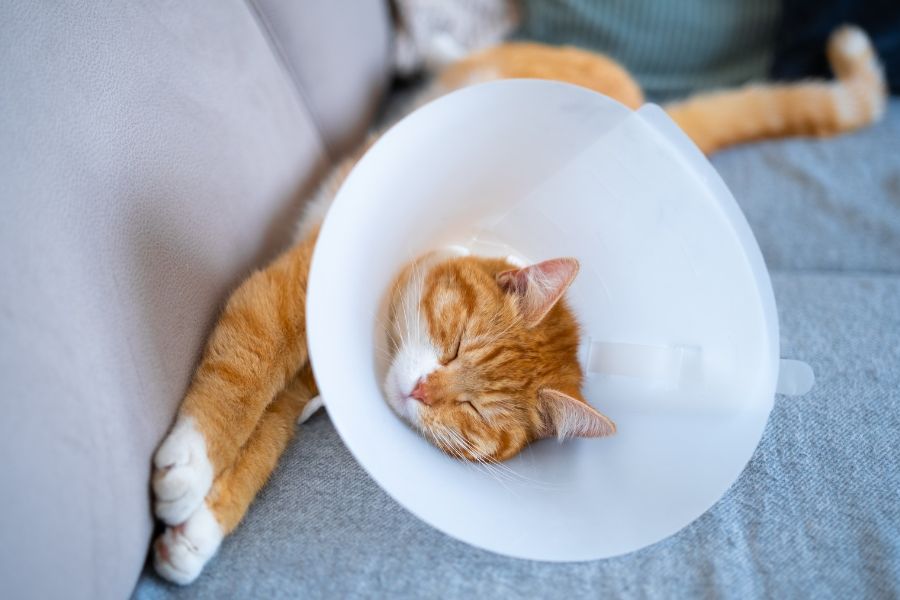
A swollen belly in a cat is never something to brush off. Cat abdominal swelling signals that something significant is happening inside the body, and the range of possible causes stretches from serious to life-threatening. Unlike dogs, cats that develop abdominal distension are rarely experiencing simple gas accumulation. Their abdomens swell because of fluid accumulation, organ enlargement, tumors, internal bleeding, or severe constipation. Each of these conditions requires diagnosis and treatment from a veterinarian. The longer the cause goes unidentified, the more the condition progresses. Many owners notice the swelling gradually and assume it is weight gain. By the time the belly is visibly enlarged, the underlying cause is often already well established. This guide covers what causes a swollen abdomen in cats, what to look for alongside the distension, and when to seek veterinary care without delay.
What Causes a Cat’s Belly to Swell?
Cat stomach distension falls into several distinct categories. Identifying which category most closely matches your cat’s situation helps your vet move toward diagnosis more efficiently.
Fluid accumulation, or ascites, is one of the most common causes of a dramatically swollen cat belly. Fluid builds up in the abdominal cavity due to heart disease, liver failure, kidney disease, or a condition called feline infectious peritonitis (FIP). FIP is a viral disease caused by a mutated form of feline coronavirus and is most common in young cats and cats in multi-cat environments.
Organ enlargement is another cause. An enlarged liver, spleen, or kidney can significantly increase the visual size of a cat’s abdomen even without any fluid present.
Tumors and masses, both benign and cancerous, can develop inside the abdominal cavity and push the belly outward. Intestinal lymphoma is the most common gastrointestinal tumor in cats and frequently presents as progressive abdominal distension with weight loss.
Severe constipation, called obstipation, causes the colon to fill with impacted stool, producing a noticeably rounded, firm lower abdomen. A swollen belly is less commonly caused by constipation than the other causes above, but it is worth ruling out.
How to Recognize Abdominal Swelling in Your Cat
Cat abdominal swelling is not always easy to see at first glance, especially in cats with thick coats. Learning how to check for it helps you catch problems early.
Run your hands gently along your cat’s sides from ribcage to hip. A healthy cat has a slight tuck in front of the hind legs and no tight, fluid-like resistance when you press gently on the belly. Swollen abdomen in cats feels different: the belly may feel taut like a water balloon, rigid and firm, or simply much rounder than usual from above.
Compare both sides. Abdominal swelling is often symmetrical, affecting both flanks equally. A lump or mass that pushes out on only one side may indicate a localized tumor or organ enlargement rather than fluid accumulation.
Watch alongside the swelling for these additional symptoms:
- Weight loss despite a round belly — This combination is a strong indicator of fluid accumulation or a tumor.
- Decreased appetite or refusal to eat
- Difficulty breathing or labored breathing — Fluid in the abdomen can press against the diaphragm.
- Lethargy and reduced movement
- Vomiting or changes in litter box habits
If you notice any of these signs, contact your veterinarian promptly. The combination of a swollen belly with any systemic symptom warrants a same-day call.
Conditions Linked to a Swollen Abdomen in Cats
A swollen abdomen in cats is linked to several conditions that require very different treatments. Understanding the major possibilities helps you appreciate why veterinary diagnosis, not home observation, is the right approach.
Feline infectious peritonitis is a progressive, inflammatory disease that historically carried a poor prognosis. New antiviral treatments have changed the outlook for many cats diagnosed with FIP, but early diagnosis is essential to give these treatments the best chance of working.
Heart disease in cats, including hypertrophic cardiomyopathy, can cause fluid to accumulate in the chest or abdomen when the heart fails to pump efficiently. Cats with cardiac-related abdominal fluid often require a tire easily.
Liver disease causes fluid to build up when the liver can no longer regulate protein production, which maintains fluid balance in the bloodstream. Cats with liver-related ascites often appear jaundiced, with yellow-tinged gums or skin.
In Prairie Village, Kansas, we see cat swollen belly vet care cases across all age groups. Young cats, particularly those under three years old, are the primary population at risk for FIP. Senior cats are more likely to present with organ-related or cancer-related abdominal changes. In our experience, FIP cases in younger cats can progress from mild symptoms to significant distension in a matter of weeks, which makes early intervention especially important.
Diagnosing the Cause of Cat Abdominal Swelling
Cat stomach distension causes require a structured diagnostic approach to identify correctly. Your vet cannot determine the cause through examination alone in most cases.
The physical exam begins by assessing the nature of the swelling: fluid-filled versus firm, symmetrical versus localized. Your vet will also check gum color, heart rate, lymph nodes, and overall body condition.
Blood work is almost always necessary. A complete blood count and chemistry panel assess organ function, protein levels, and signs of infection or anemia. For suspected FIP, specific coronavirus antibody testing and additional protein panels are used.
Abdominal X-rays provide a structural overview. Ultrasound offers much greater detail, allowing your vet to visualize organ size, fluid pockets, and any masses present. Fluid sampling, where a small amount of abdominal fluid is withdrawn with a needle for analysis, can be definitive in diagnosing conditions like FIP or internal bleeding.
When Cat Abdominal Swelling Requires Immediate Care
Some presentations of a swollen belly suddenly cannot wait for a scheduled appointment. Go to the vet right away if your cat shows:
- Belly that appears to have swollen over just a few hours
- Difficulty breathing alongside abdominal distension
- Collapse or inability to stand
- Pale or yellow-tinged gums
- Evidence of trauma before the swelling appeared
Mission Road Animal Clinic provides thorough evaluation and care for cats presenting with abdominal swelling. Our team knows how many different conditions can produce this symptom and how much the timeline matters. Call us at 913-649-0552 if your cat’s belly looks swollen or you notice any of the accompanying symptoms described above. We offer pet urgent care for cats with abdominal concerns and can help determine how quickly your cat needs to be seen.
Pet owners often tell us they noticed the swelling weeks earlier but assumed it was weight gain. Early evaluation saves time and money and, most importantly, allows for a wider range of treatment options.
Supporting Your Cat Through Diagnosis and Treatment
While diagnosis is underway, keep your cat comfortable and calm. Restrict activity, ensure access to water, and avoid pressing or manipulating the abdomen at home.
If fluid is removed during treatment, called abdominocentesis, your cat may feel significantly more comfortable immediately afterward. This relief is temporary. Treating the underlying cause is what prevents fluid from returning.
Follow-up scheduling and adhering to treatment plans are critical for conditions like FIP, heart disease, and cancer. Many of these conditions are manageable for extended periods with consistent care and monitoring. Book an appointment today.
Frequently Asked Questions
Q: Can a cat’s swollen belly be caused by worms?
Ans: Intestinal parasite burdens can cause mild abdominal fullness, particularly in kittens. However, significant abdominal distension in an adult cat is far more likely to be caused by fluid, organ changes, or masses rather than parasites alone.
Q: Is abdominal swelling in cats always serious?
Ans: A noticeably swollen abdomen in a cat is always worth veterinary evaluation. Even conditions with manageable causes, like severe constipation, require treatment rather than watchful waiting at home.
Q: How quickly can a vet tell what is causing the swelling?
Ans: A physical exam combined with X-rays or ultrasound often provides a strong indication within the first visit. Blood work and fluid analysis may take a few hours to days for full results. Your vet will share their findings and next steps as quickly as possible.
Q: What is FIP and how common is it in cats?
Ans: Feline infectious peritonitis is a serious disease caused by a mutated feline coronavirus. It primarily affects young cats and those in multi-cat households. While historically difficult to treat, newer antiviral medications have significantly improved outcomes for many FIP patients.
Q: Will my cat need surgery for a swollen belly?
Ans: Not always. Many causes of abdominal swelling are managed with medication, fluid drainage, or dietary changes. Surgery is required when a tumor or obstruction is identified. Your vet will explain which approach applies to your cat’s specific diagnosis.