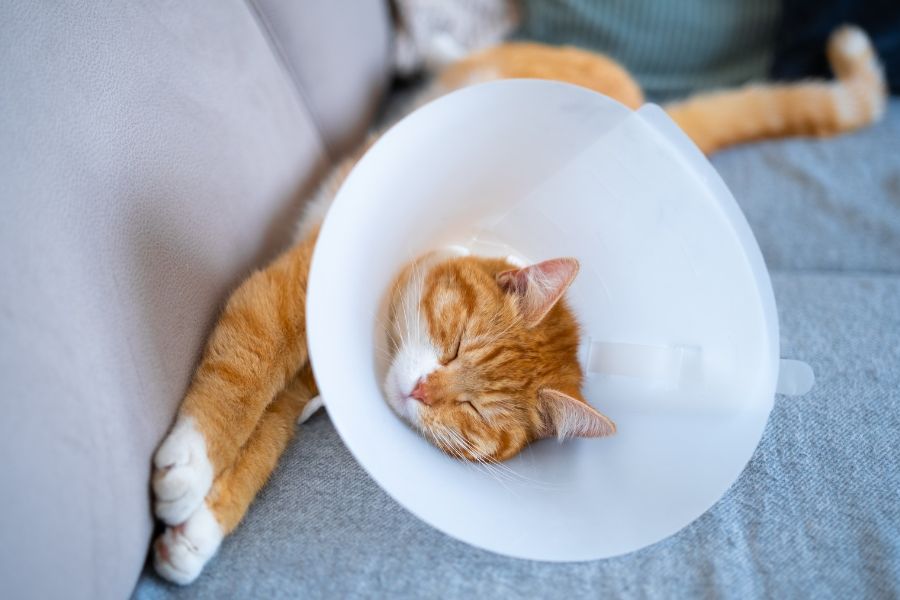


Spotting cat blood in urine is one of the most alarming things a pet owner can notice, even when your cat is eating, playing, and acting completely normal. Many owners assume that if their cat seems fine, the bleeding will resolve on its own. Unfortunately, blood in the litter box is rarely something to wait out. It can point to a urinary tract problem, bladder stones, or in male cats, a blockage that turns dangerous within hours. This article walks through what causes cat blood in urine, which signs mean you need help right away, and what a visit typically looks like so you know exactly what to expect.
Cat Blood in Urine: Is It an Emergency?
Blood in cat urine is not always a life-threatening emergency, but it should always be checked by a vet within the day. Male cats in particular can develop a urinary blockage that becomes fatal within 24 to 48 hours if untreated. Female cats are less likely to block, but the underlying cause still needs diagnosis and treatment.
Many conditions cause a cat urinary tract infection, including stress, diet, dehydration, and bladder stones. In our experience, roughly 1 in 10 cats will show some form of urinary trouble in their lifetime, so this is a common concern, not a rare one.
What Normal Urination Looks Like
A healthy cat urinates a few times a day with no straining, no crying, and clear to pale yellow urine. Any change from this pattern is worth watching closely.
Signs Your Cat Needs Urgent Care
Pet owners often tell us they weren’t sure whether symptoms were “bad enough” to warrant a visit. These signs mean it’s time to come in:
- Visible blood in the litter box or on bedding
- Cat straining to pee with little or no urine coming out
- Frequent trips to the litter box with minimal results
- Crying or vocalizing while trying to urinate
- Licking at the genital area more than usual
If your cat is straining and producing no urine at all, this can signal a full blockage. That situation needs prompt veterinary attention the same day, not a wait-and-see approach.
What to Expect During a Visit
Walking into an urgent care visit for the first time can feel stressful, so here is what typically happens, step by step.
- A technician will ask about your cat’s litter box habits, diet, and any recent stress or changes at home.
- Your cat will have a physical exam, including a check of the bladder for size and tenderness.
- A urine sample will likely be collected to check for infection, crystals, or blood cell counts.
- If a blockage is suspected, imaging such as an X-ray may be recommended to look for bladder stones.
- Your vet will explain findings and outline a treatment plan before you leave.
Pet owners in Prairie Village often mention how much easier the visit feels once they understand these steps ahead of time. Most appointments move quickly, especially when the cat’s history is shared clearly at check-in.
Diet, Stress, and Prevention
A common misconception is that blood in cat urine always means a serious disease like cancer. In most cases, the cause is far more manageable, ranging from stress-related bladder inflammation to diet-related crystal formation. Correcting this misunderstanding early can ease a lot of unnecessary panic.
In the Prairie Village area, we see this more often during sudden weather shifts, when cats drink less water and become more prone to concentrated urine and irritation. Indoor cats, multi-cat households, and cats on dry-food-only diets tend to show urinary symptoms more frequently. Encouraging water intake through wet food or a water fountain can help reduce recurrence for many cats.
Why Choose Us for Urgent Pet Care
At Mission Road Animal Clinic, we see cats with urinary symptoms regularly, and we understand how frightening blood in a cat’s pee can look the first time you notice it. Our team is experienced in recognizing when a case needs same-day attention versus routine scheduling. When your cat needs urgent pet care, having a team that can quickly assess blockage risk makes a real difference in the outcome.
We’re located in Prairie Village, and many of our clients come straight from home without an appointment when urgent symptoms appear. Call us at 913-649-0552 when your pet needs urgent care, and our team will help determine the right next step for your cat.
How to Choose the Right Urgent Care Vet
When looking for urgent care for cats, look for a clinic with in-house diagnostics, since urinary blockages need fast imaging and lab work rather than a referral elsewhere. Ask whether the clinic can perform same-day ultrasounds or X-rays, and whether a veterinarian is available to see walk-ins without long delays.
Experience with feline urinary cases matters too. Mission Road Animal Clinic’s team, based in Prairie Village, regularly manages these visits from the first exam through treatment, which helps keep the process efficient for both you and your cat.
Final Thoughts
Cat blood in urine deserves same-day attention even when your cat still seems playful and alert, and it’s the kind of symptom worth acting on quickly, because underlying causes can worsen quickly, especially in male cats at risk of blockage. Watching for straining, crying, or reduced urine output helps you catch the more urgent cases early. Book an appointment today.
Frequently Asked Questions
Q: Can stress alone cause blood in a cat’s urine?
Ans: Yes, stress-related bladder inflammation, known as feline idiopathic cystitis, is one of the most common causes of blood in a cat’s urine, especially in indoor cats.
Q: How fast can a urinary blockage become dangerous?
Ans: A blockage in male cats can become life-threatening within 24 to 48 hours, which is why straining with no urine output should never be ignored.
Q: Do female cats get urinary blockages too?
Ans: Female cats can develop urinary tract infections and stones, but true blockages are far less common due to their wider urethra.
Q: Will diet changes help prevent future episodes?
Ans: Increasing water intake through wet food and reducing stress at home can lower the chances of recurring urinary symptoms in many cats.
Q: Is blood in urine always visible to the naked eye?
Ans: Not always. Some cats have microscopic blood that’s only detected through a urine test, which is why a vet visit is recommended even for mild symptoms.