


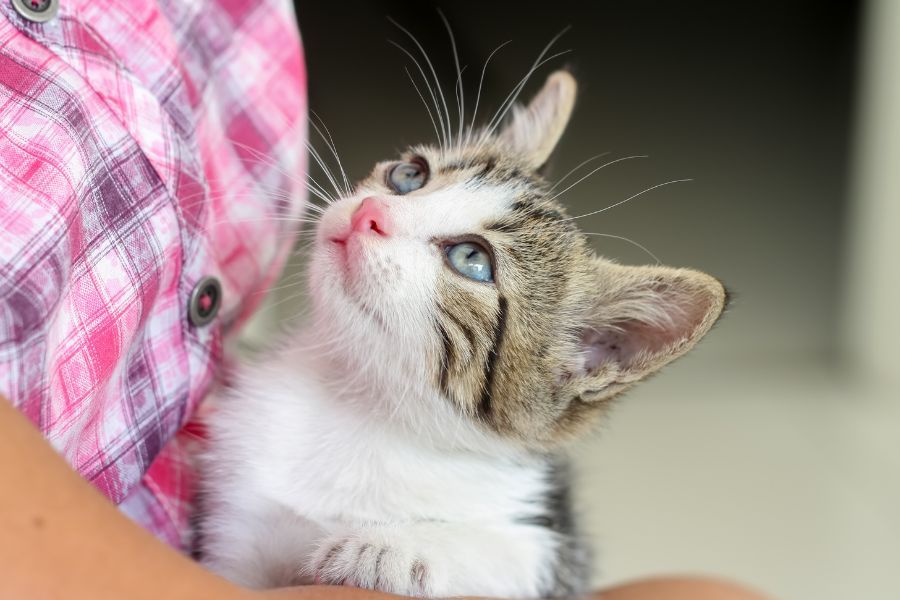
If you’ve ever caught your cat staring at you from across the room, you’re not alone. A cat staring at its owner is common, but it can leave pet parents wondering what it really means. Is your cat showing affection, asking for something, or signaling a deeper issue? In this guide, we’ll break down the reasons behind cat staring behavior, what it means emotionally and physically, and when it might be time to seek veterinary care.
What Does It Mean When Your Cat Stares At You?
Cats are naturally observant animals. Unlike dogs, they rely heavily on body language and silent communication. When your cat stares at you, it’s often their way of interacting without making a sound.
Here are the most common interpretations of cat staring at me behavior:
- Communication or signaling a need
- Observing your movements or routine
- Expressing affection or trust
- Feeling anxious or threatened
- Showing curiosity
Understanding context is key. A relaxed stare with slow blinking means something very different than a stiff, wide-eyed gaze.
Is Your Cat Showing Love?
Yes, sometimes staring is actually a sign of affection. Cats don’t always express love in obvious ways, but their eyes can say a lot.
Signs your cat’s stare means love:
- Slow blinking (often called a “cat kiss”)
- Relaxed body posture
- Tail gently wrapped or still
- Soft, half-closed eyes
If your cat stares and slowly blinks, try blinking back slowly. This mimics feline communication and helps strengthen your bond.
Cats in homes often build strong emotional attachments to their owners, especially in calm indoor environments. This makes affectionate staring more common than you might think.
Is Your Cat Asking For Something?
Sometimes, cat staring behavior is simply your cat trying to get your attention.
Common reasons include:
- Hunger or feeding time
- Wanting fresh water
- Requesting playtime
- Seeking attention or petting
If your cat stares at you around the same time each day, it’s likely tied to a routine. Cats are creatures of habit, and they quickly learn how to communicate their needs.
A good tip: observe patterns. If the stare is followed by walking toward the food bowl or door, your cat is clearly asking for something.
Hunting Instincts and Curiosity
Cats are natural hunters, even when they live indoors. Your movements, typing, walking, or even breathing can trigger their instinct to observe closely.
In this case, the stare is:
- Focused and intense
- Accompanied by minimal movement
- Often followed by pouncing or playful behavior
This type of cat staring at the owner’s behavior is completely normal and healthy. It shows your cat is mentally stimulated and engaged.
Could Your Cat Be Feeling Anxious or Threatened?
Not all staring is positive. A fixed, intense stare with a tense body can indicate discomfort or stress.
Warning signs to watch for:
- Dilated pupils
- Flattened ears
- Stiff posture
- Tail flicking rapidly
If your cat displays these signs, give them space. Forcing interaction can escalate stress or even lead to aggression.
Changes in the home, like new pets, visitors, or loud noises, can increase anxious cat staring behavior. Monitoring these environmental factors is important.
Health Issues That May Cause Staring
In some cases, unusual or excessive staring may be linked to underlying health concerns. While rare, it’s important not to ignore sudden changes.
Possible medical reasons:
- Vision problems
- Cognitive dysfunction (especially in older cats)
- Neurological conditions
- Pain or discomfort
For example, a cat experiencing vision loss may stare more because they’re trying to focus or interpret their surroundings.
If your cat’s behavior changes suddenly or seems abnormal, it’s best to consult a veterinarian.
When Should You Be Concerned?
Most of the time, cat’s staring at me behavior is harmless. However, you should consider professional help if you notice:
- Sudden increase in staring frequency
- Unresponsive or “zoned out” behavior
- Accompanying symptoms like lethargy or appetite loss
- Signs of aggression or fear
Routine veterinary care in Prairie Village plays a key role in identifying behavioral or medical issues early. Pet clinics like Mission Road Animal Clinic often help pet owners understand subtle behavioral changes before they become serious problems.
How to Respond When Your Cat Stares At You
Your response should depend on the situation and your cat’s body language.
Positive interactions:
- Blink slowly to show affection
- Talk softly to reassure your cat
- Offer gentle petting if they approach
If your cat wants something:
- Check food and water
- Engage in playtime
- Maintain a consistent routine
If your cat seems stressed:
- Avoid direct eye contact (it can feel threatening)
- Give them space
- Reduce environmental stressors
Learning how to “read” your cat helps build trust and prevents misunderstandings.
Fun Fact: Cats and Eye Contact
In the animal world, direct eye contact is often seen as a challenge or threat. However, domesticated cats have adapted their behavior to humans.
That’s why:
- Slow blinking = trust and affection
- Hard staring = alertness or tension
Understanding this difference helps you interpret your cat’s emotions more accurately.
How Environment Affects Cat Behavior
Cats living in suburban areas like Prairie Village, KS, often experience a mix of indoor comfort and outdoor stimulation. This can influence how and why they stare.
Environmental factors include:
- Window watching (birds, squirrels, movement)
- Household activity levels
- Interaction frequency with humans
A stimulated cat is less likely to develop excessive or concerning cat staring behavior, making enrichment an important part of their daily routine.
Conclusion:
So, why does your cat stare at you? In most cases, it’s a normal and meaningful form of communication. Whether it’s love, curiosity, or a simple request, a cat staring at their owner’s behavior is part of how cats connect with humans.
The key is to observe context, body language, and patterns. If something feels off, don’t ignore it. Early veterinary care can make a big difference in your cat’s health and well-being.
If you’re ever unsure about your cat’s behavior, schedule a checkup at Mission Road Animal Clinic to ensure everything is on track. Understanding your cat better leads to a happier, healthier relationship.
FAQs:
Q1: Why does my cat stare at me without blinking?
Ans: A steady, unblinking stare may indicate focus, curiosity, or tension. Check your cat’s body language to determine whether it’s relaxed or feeling threatened.
Q2: Is it normal for my cat to watch me all the time?
Ans: Yes, cats are naturally observant. Constant watching is usually harmless unless paired with unusual behavior or health symptoms.
Q3: Why does my cat stare at me while I sleep?
Ans: Cats may watch you sleep out of curiosity, routine, or because they’re waiting for you to wake up and feed them.
Q4: Should I stare back at my cat?
Ans: Avoid direct staring, as it can feel threatening. Instead, use slow blinking to communicate trust and affection.
Q5: When should I take my cat to the vet for staring behavior?
Ans: Seek veterinary advice if staring becomes excessive, unusual, or is accompanied by symptoms like confusion, lethargy, or appetite changes.