


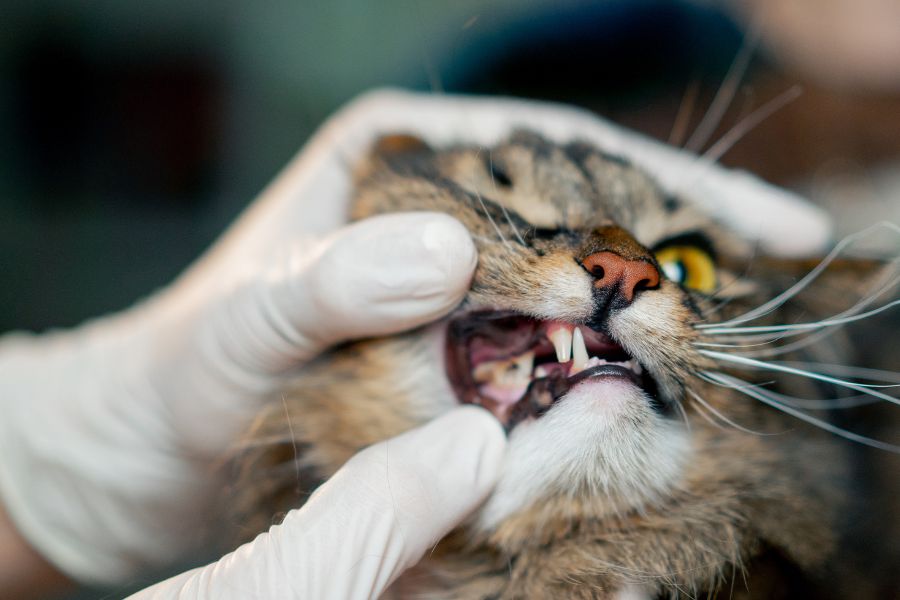
Your cat’s teeth are essential to their overall health, but dental care is often ignored by many pet owners. Learning important cat teeth facts can help you prevent common problems like gum disease, tooth loss, and oral infections. Good dental hygiene not only keeps your cat comfortable but also supports their long-term well-being. In this guide, you’ll discover everything from kitten teething stages to proper adult dental care routines, along with practical tips to maintain a clean, healthy mouth. With the right knowledge and consistent care, you can ensure your cat stays happy, healthy, and free from painful dental issues.
Why Cat Dental Health Matters More Than You Think
Many pet owners assume bad breath or minor plaque is normal, but that’s not the case. Poor dental hygiene in cats can lead to serious health complications beyond the mouth. Bacteria from infected gums can enter the bloodstream and affect vital organs like the heart and kidneys.
where pets are considered family members, regular dental care is becoming a key part of preventive wellness. Veterinary clinics often see cases where early dental care could have avoided costly treatments later.
Key reasons to prioritize dental care:
- Prevents painful infections
- Reduces risk of tooth loss
- Improves overall health and longevity
- Saves on future veterinary costs
Basic Cat Teeth Facts Every Owner Should Know
Understanding the fundamentals of cat teeth facts helps you recognize what’s normal and what’s not.
1. Cats Have Two Sets of Teeth
Just like humans, cats develop baby teeth (deciduous teeth) and then permanent adult teeth.
- Kittens have 26 baby teeth
- Adult cats have 30 permanent teeth
2. Teething Starts Early
Kittens begin teething at around 2–4 weeks old, and by 6 months, most adult teeth have come in.
3. Cats Are Natural Carnivores
Their teeth are designed for tearing meat, not grinding food. That’s why dental health is essential—even for indoor cats on soft diets.
4. Dental Disease Is Extremely Common
Studies suggest that over 70% of cats over age 3 have some form of dental disease.
Common Dental Problems in Cats
Recognizing early signs of dental issues can prevent serious complications.
1. Periodontal Disease
This is the most common dental issue in cats. It starts with plaque buildup and can progress to gum infection and bone loss.
Signs include:
- Bad breath
- Red or bleeding gums
- Difficulty eating
- Pawing at the mouth
2. Tooth Resorption
A painful condition where the tooth structure breaks down. It’s often hidden and requires a vet exam to detect.
3. Gingivitis
Inflammation of the gums that can worsen without treatment.
4. Broken or Fractured Teeth
Cats that chew on hard objects may crack their teeth, leading to pain or infection.
How to Keep Your Cat’s Teeth Healthy
Maintaining good oral hygiene doesn’t have to be complicated. Small, consistent steps make a big difference.
1. Brush Your Cat’s Teeth Regularly
Brushing is the gold standard for preventing plaque buildup.
Tips:
- Use cat-specific toothpaste (never human toothpaste)
- Start slowly and reward your cat
- Aim for brushing 2–3 times per week
2. Provide Dental Treats and Toys
Dental chews and toys help reduce plaque naturally by encouraging chewing.
3. Choose the Right Diet
Some dry foods are designed to support dental health by reducing tartar buildup.
4. Schedule Regular Vet Checkups
Annual dental exams are crucial. Many pet owners now include dental screenings as part of routine wellness visits.
Signs Your Cat May Have Dental Problems
Cats are masters at hiding pain, so subtle changes can be the only clues.
Watch for:
- Drooling
- Reduced appetite
- Weight loss
- Behavioral changes (irritability or hiding)
- Difficulty chewing
If you notice any of these signs, it’s important to seek veterinary dental care promptly.
Professional Dental Care for Cats
Even with at-home care, professional dental cleanings are often necessary.
What Happens During a Dental Cleaning?
- Your cat is placed under anesthesia
- Teeth are cleaned and polished
- X-rays may be taken to detect hidden issues
- Damaged teeth may be treated or removed
This process ensures a thorough cleaning that can’t be achieved at home.
The Role of Dental Care For Cats
Pet owners are increasingly proactive about dental health. Preventive care not only improves quality of life but also reduces long-term costs.
Local veterinary clinics emphasize:
- Early detection of dental disease
- Routine cleanings
- Owner education on home care
By staying consistent with dental routines, you can significantly extend your cat’s lifespan and comfort.
Myths About Cat Teeth You Should Stop Believing
Let’s clear up some common misconceptions about cat teeth facts.
Myth 1: Bad Breath Is Normal
Reality: Persistent bad breath is often a sign of dental disease.
Myth 2: Cats Don’t Need Dental Care
Reality: Dental care is just as important for cats as it is for dogs and humans.
Myth 3: Dry Food Cleans Teeth Completely
Reality: While helpful, dry food alone isn’t enough to prevent plaque buildup.
When to See a Veterinarian
Don’t wait until your cat is in visible pain. Early intervention is key.
Seek veterinary care if:
- Your cat stops eating
- You notice swelling around the mouth
- There’s bleeding or discharge
- Your cat shows signs of discomfort
A timely checkup can prevent serious complications and improve recovery outcomes.
Conclusion
Understanding these essential cat teeth facts is the first step toward protecting your cat’s overall health. From regular brushing to professional cleanings, consistent dental care can prevent painful conditions and extend your cat’s life.
If you’re in Prairie Village and want to ensure your cat’s dental health is on track, the team at Mission Road Animal Clinic is here to help. Schedule a dental checkup today and give your cat the healthy smile they deserve.
FAQs
Q1: How often should I brush my cat’s teeth?
Ans: Ideally, brush your cat’s teeth 2–3 times per week. Daily brushing is even better for preventing plaque and maintaining optimal dental health.
Q2: What are the first signs of dental disease in cats?
Ans: Early signs include bad breath, red gums, drooling, and difficulty eating. Behavioral changes may also indicate oral discomfort or pain.
Q3: Can cats live without teeth?
Ans: Yes, cats can adapt well without teeth and still eat comfortably, especially with soft food. However, preventing tooth loss is always better.
Q4: Are dental treats effective for cats?
Ans: Dental treats can help reduce plaque, but should be used alongside brushing and regular vet checkups for best results.
Q5: How often does my cat need professional dental cleaning?
Ans: Most cats benefit from a professional cleaning once a year, but your vet may recommend more frequent visits based on your cat’s dental condition.