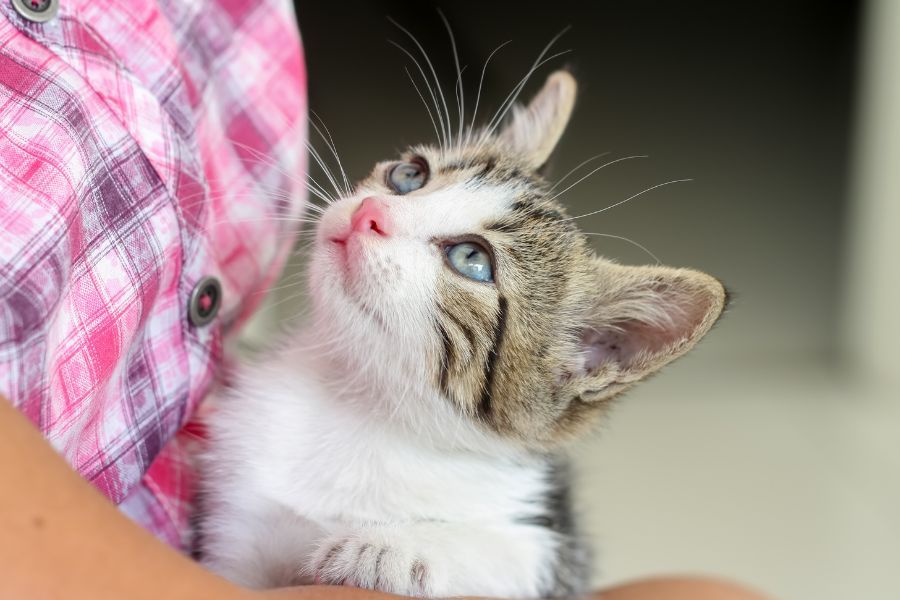


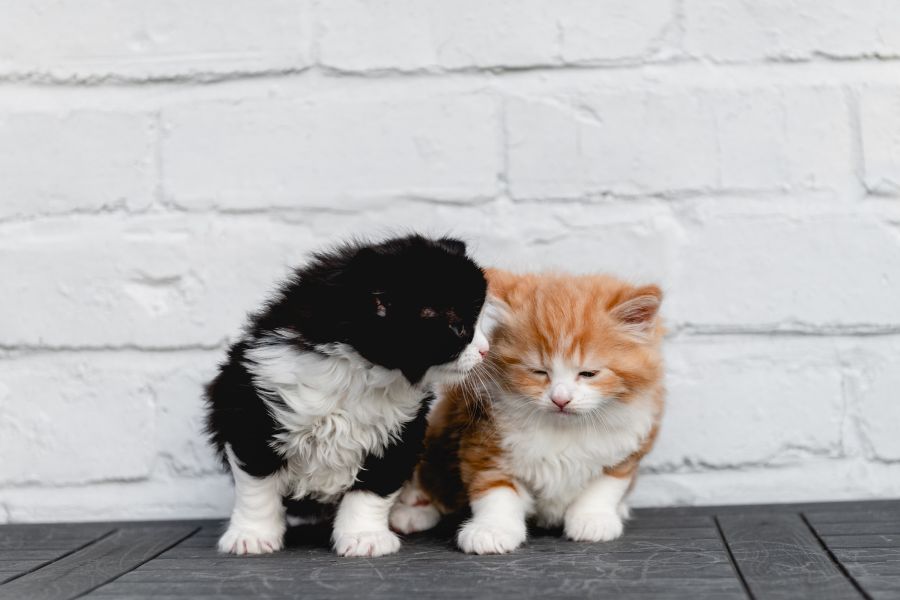
Bringing home a new furry friend is exciting, but introducing a new pet to another pet requires patience and strategy. Whether you’re adding a playful kitten or a curious puppy, proper introductions can make all the difference. In this guide, we’ll share expert tips on how to help pets get along, reduce jealousy, and ensure a smooth transition for your growing family, all while keeping harmony in your Prairie Village home.
Why Proper Pet Introductions Matter
Adding a second pet can enrich your home with more love and companionship, but it can also stir up stress if introductions aren’t handled carefully. Pets are territorial by nature, and a sudden newcomer can trigger anxiety or aggression. Properly introducing pets to each other helps establish boundaries, reduces conflict, and sets the stage for a long-lasting friendship.
Preparing Your Home for a New Pet
Before the first meeting, prepare your home environment for success:
- Create separate spaces: Set up designated areas for each pet, including food bowls, litter boxes, and sleeping spots.
- Stock up on supplies: Make sure you have toys, treats, and essentials for both pets to avoid competition.
- Keep scents familiar: Swap bedding or toys between the pets before their first meeting so they can get used to each other’s smell.
This early preparation minimizes stress and helps both animals feel secure in their spaces.
How to Introduce a New Pet to Another Pet Safely
Step 1: Keep them separated at first. Allow your new pet to explore one room while your resident pet remains in another. Let them sniff each other’s scent under the door or through a baby gate.
Step 2: Gradual, supervised meetings. When both pets seem calm, arrange a short face-to-face meeting. Keep dogs on leashes and cats in carriers if needed. End the session on a positive note with praise or treats.
Step 3: Increase exposure slowly. Over several days, extend their meeting times and allow closer contact as long as both pets remain relaxed.
Step 4: Watch for warning signs. Growling, hissing, stiff posture, or avoidance indicate stress. If this happens, separate them and try again later.
Introducing a New Puppy or Kitten to Older Pets
Bringing home a new puppy or kitten adds extra challenges because of their high energy levels. To help:
- Give your older pet space: Senior pets often need quiet zones away from playful youngsters.
- Use short play sessions: Let your older pet set the pace. Gradual play builds trust.
- Reward calm behavior: Use treats to reinforce peaceful interactions and mutual curiosity.
Introducing a new puppy or kitten to older pets should be guided by gentle exposure and consistent routines. Over time, older pets often become mentors to younger companions.
Reducing Pet Jealousy and Territorial Behavior
Just like humans, pets can feel jealous when a newcomer gets more attention. To ease this transition:
- Keep routines consistent: Feed, walk, and play with your resident pet at their usual times.
- Give equal attention: Spend one-on-one time with both pets to prevent rivalry.
- Avoid favoritism: Praise both pets for good behavior to build mutual trust.
These small gestures help your existing pet feel secure and less threatened by the new arrival.
Helping Pets Get Along Long-Term
Building harmony doesn’t end after the first few weeks. Continue to nurture a peaceful relationship by:
- Encouraging shared activities: Walks, playtime, and training sessions foster teamwork.
- Providing enrichment: Puzzle feeders and toys prevent boredom that can lead to mischief.
- Monitoring body language: Relaxed tails, soft eyes, and mutual grooming are signs of growing friendship.
If conflicts persist, consult a veterinarian or professional behaviorist. They can identify underlying health or behavioral issues that may be causing stress.
When to Seek Professional Help
Sometimes, even the best introduction plans can hit snags. If aggression continues or one pet hides or stops eating, it’s time to get help. A vet can rule out medical causes, and behaviorists can design tailored desensitization plans.
At Mission Road Animal Clinic, we understand the emotional and behavioral challenges that come with adding a new family member. Our experienced team offers guidance, medical evaluations, and kitten care in Prairie Village to ensure your pets’ well-being during transitions.
Introducing a new pet to your home doesn’t have to be stressful; with patience, structure, and positive reinforcement, peace and friendship are possible. From the first sniff to lifelong companionship, each step matters in helping your pets build trust and harmony.
FAQs:
Q1: How long does it take for pets to get used to each other?
Ans: It can take anywhere from a few days to several weeks, depending on each pet’s temperament and previous experiences.
Q2: What’s the best way to reduce pet jealousy when adding a new pet?
Ans: Keep routines consistent and ensure both pets receive equal love, attention, and playtime.
Q3: How should I introduce a new kitten to my resident dog?
Ans: Start with scent swapping, then move to short, supervised meetings where the dog is on a leash and the kitten feels secure.
Q4: Can older pets adjust to new puppies or kittens?
Ans: Yes, but they may need more time and space. Introduce interactions slowly and respect your older pet’s comfort level.
Q5: What if my pets keep fighting after introductions?
Ans: Separate them and contact your veterinarian or a certified animal behaviorist for professional guidance.