

Maintaining your pet’s dental health is essential for their overall well-being. Common dental problems in dogs and cats, including tartar buildup, gingivitis, and tooth loss, can lead to serious health issues if untreated. This guide from Mission Road Animal Clinic provides practical steps to prevent pet dental issues through regular brushing, proper diet, and veterinary dental care in Prairie Village. Learn essential pet oral health tips, early warning signs of dental problems, and strategies for long-term prevention. Implementing these habits ensures your furry friends enjoy a healthy, pain-free mouth and a happier life.
Understanding Common Pet Dental Problems
Pets, especially dogs and cats, are prone to a variety of dental issues. Early detection and preventive care can save them from discomfort and expensive treatments.
1. Tartar and Plaque Buildup
Plaque is a sticky film of bacteria that forms on teeth. Over time, it hardens into tartar, which irritates gums and can lead to gingivitis. Regular brushing and veterinary cleaning are crucial to prevent tartar buildup.
2. Gingivitis and Periodontal Disease
Gingivitis is the inflammation of gums caused by plaque accumulation. If left untreated, it can progress to periodontal disease, damaging the tissues supporting teeth. Signs include red, swollen gums, bad breath, and bleeding.
3. Tooth Fractures and Wear
Dogs and cats can fracture teeth by chewing on hard objects. Worn-down teeth can expose nerves, causing pain and infection. Monitoring chew toys and avoiding bones or hard items is key to prevention.
4. Oral Infections and Abscesses
Bacterial infections can cause painful abscesses in the teeth or gums. Symptoms include swelling, difficulty eating, drooling, and foul odor. Prompt veterinary attention is critical to avoid systemic health problems.
Top Strategies to Prevent Pet Dental Issues
Preventive care is the best approach to maintain pet oral health. Here are effective strategies:
1. Daily Brushing
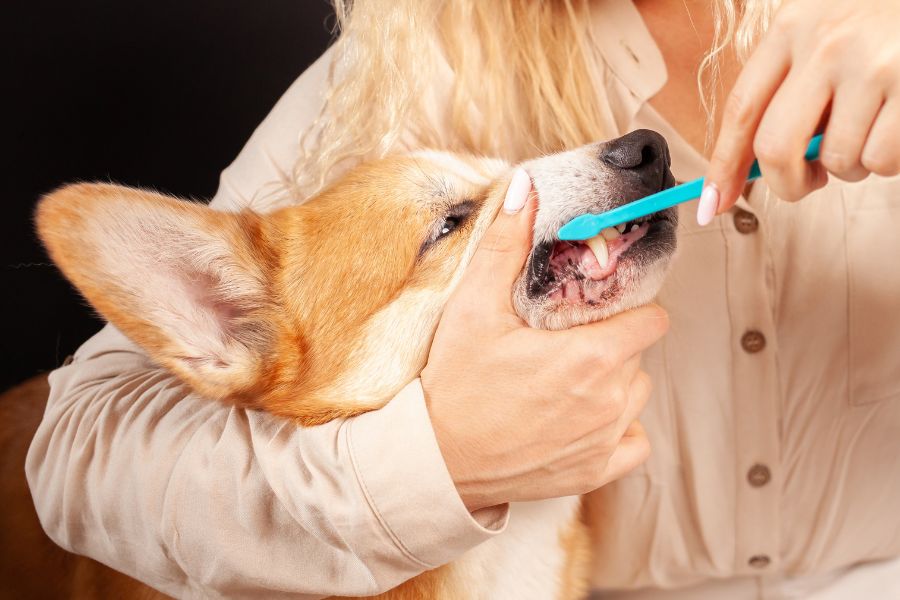
Brushing your dog or cat’s teeth daily reduces plaque and prevents tartar formation. Use pet-safe toothpaste and brushes designed for dogs and cats. Start slowly to help your pet adjust to the routine.
2. Veterinary Dental Care
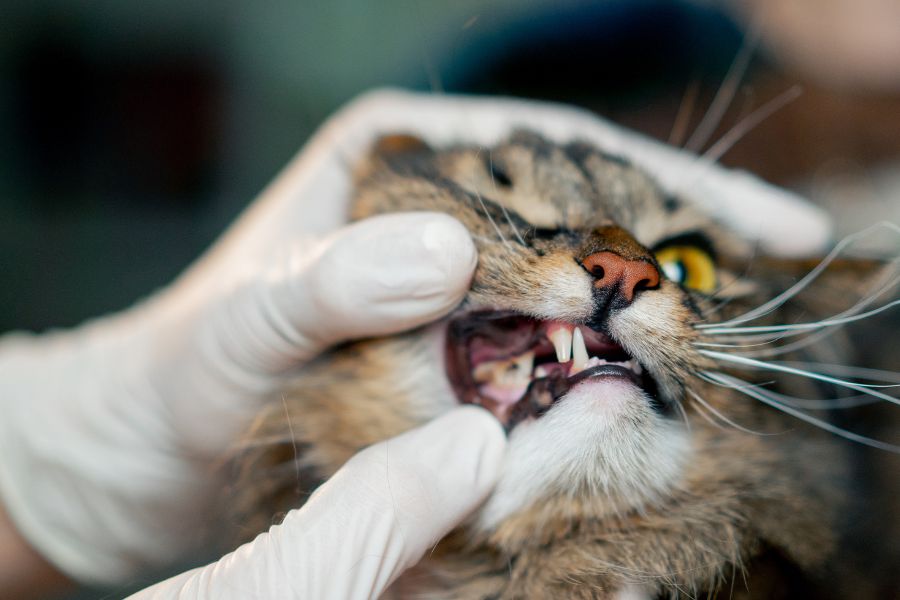
Regular check-ups with a veterinarian ensure early detection of dental problems. Professional cleanings remove tartar and plaque that at-home care may miss.
3. Dental Chews and Toys
Specially designed chews and toys help reduce plaque naturally. Look for products approved by veterinary dental associations. Avoid extremely hard items that may fracture teeth.
4. Balanced Diet and Treats
Feeding a balanced diet supports strong teeth and healthy gums. Certain dental diets are formulated to reduce tartar buildup. Limit sugary treats that contribute to oral bacteria growth.
5. Regular Home Checks
Examine your pet’s mouth weekly. Look for red gums, broken teeth, or unusual odors. Early detection helps prevent minor issues from becoming severe.
Signs Your Pet Needs Dental Attention
Knowing the warning signs allows for timely intervention:
- Bad breath lasting more than a day or two
- Red, swollen, or bleeding gums
- Difficulty chewing or loss of appetite
- Loose or broken teeth
- Pawing at the mouth or facial swelling
Recognizing these signs early can prevent painful dental diseases and improve your pet’s quality of life.
Long-Term Benefits of Dental Care
Proper dental care not only ensures a healthy mouth but also supports overall well-being:
- Reduced risk of heart, kidney, and liver disease caused by bacteria entering the bloodstream
- Pain prevention, leading to better nutrition and happier pets
- Lower veterinary costs by avoiding complex dental surgeries
Consistent care creates a foundation for a lifetime of good health.
Tips for Stress-Free Dental Care at Home
Making dental care a positive experience encourages your pet to cooperate:
- Introduce brushing gradually with positive reinforcement
- Use flavored pet toothpaste to make the routine enjoyable
- Offer dental chews as a reward for good behavior
- Keep sessions short initially, increasing duration over time
These small adjustments can make a big difference in maintaining oral health.
Dental health is a critical component of your pet’s overall well-being. By recognizing common dental problems and implementing preventive measures such as daily brushing, veterinary check-ups, and proper diet, you can significantly improve your pet’s quality of life. Trust Mission Road Animal Clinic to help safeguard your furry companion’s oral health. Contact us today to schedule a dental check-up and learn more about effective prevention strategies.
Frequently Asked Questions
Q1. What are the most common dental problems in dogs and cats?
Ans: The most common issues include tartar buildup, gingivitis, periodontal disease, and tooth fractures. Early detection through veterinary dental care prevents complications.
Q2. How often should I brush my pet’s teeth?
Ans: Daily brushing is ideal. At a minimum, aim for 3–4 times per week using pet-safe toothpaste and brushes to reduce plaque and tartar buildup.
Q3. Can dental problems affect my pet’s overall health?
Ans: Yes. Untreated dental issues can lead to infections affecting the heart, kidneys, and liver, making oral care crucial for overall well-being.
Q4. Are dental chews effective for preventing oral problems?
Ans: Dental chews help reduce plaque and tartar but should be combined with brushing and professional cleanings for optimal pet oral health.
Q5. When should I take my pet to the vet for dental care?
Ans: Schedule routine check-ups at least once a year or sooner if you notice bad breath, swollen gums, broken teeth, or difficulty eating.